


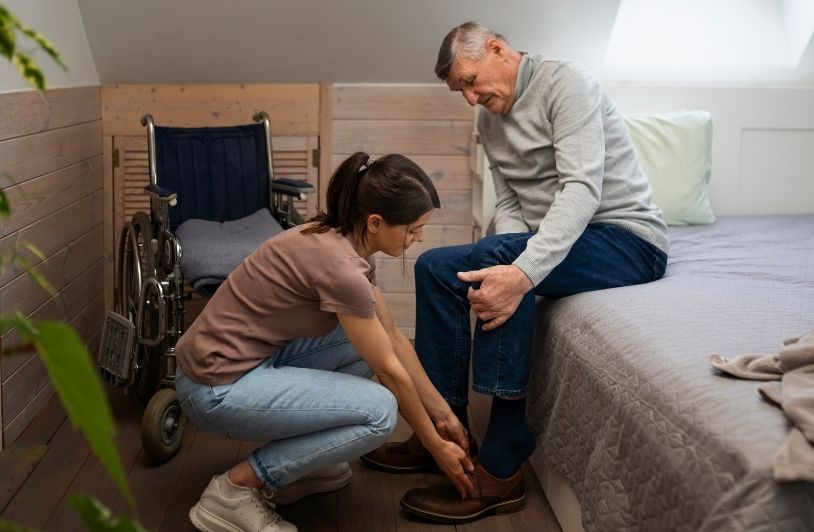
Caring for an elderly individual involves navigating a wide range of physical and emotional demands each day. From mobility and hygiene to eating and resting, the routines that form daily life can be overwhelming without the right tools. For caregivers—whether family members or professionals—having practical and supportive equipment is essential in providing safe, efficient, and dignified care. This article explores the key caregiver-friendly tools that make managing daily routines more achievable.
Mobility and Transfer Aids
Supporting safe movement is a critical part of caregiving. For elderly individuals with limited mobility, even getting out of bed or moving to a chair can pose risks. Tools such as walking frames, transfer belts, hoists, and standing aids help facilitate safe movement while reducing the physical burden on caregivers.
These devices are designed to provide stability and reduce the chance of falls, while also giving carers the ability to assist without strain or injury. Proper transfer support also helps maintain the confidence and dignity of the person being cared for. Suppliers like Safety and Mobility provide a wide selection of mobility and transfer equipment designed to accommodate varying levels of ability, helping carers deliver safer support while preserving the user’s comfort and independence.
Bathroom and Hygiene Equipment
Personal care is a daily task that requires privacy, safety, and support. For individuals who struggle with balance, strength, or coordination, simple tasks like bathing or using the toilet can become hazardous. Tools such as shower chairs, grab rails, toilet frames, and commodes allow these routines to be carried out more safely and with greater comfort.
These aids reduce the need for physical support during washing or toileting and help the person being cared for to engage in the process with dignity. For caregivers, these tools also lessen the risk of injury and simplify what are often the most physically demanding aspects of the day.
Seating and Positioning Solutions
Extended periods of sitting or lying down can lead to discomfort, stiffness, or pressure injuries. Caregivers must frequently reposition or support posture to avoid such complications. Pressure-relief cushions, reclining day chairs, and adjustable-height seating improve comfort and support circulation throughout the day.
In bed, bed wedges, side rails, and positioning supports help maintain safe and supported resting positions. These tools not only enhance comfort for the care recipient but also reduce the physical strain on carers by minimising the need for constant manual adjustments.
Mealtime Aids
Mealtimes can be particularly challenging for individuals with conditions affecting grip strength, coordination, or hand control. Tools like non-slip mats, angled cutlery, plate guards, and two-handled cups make eating easier and more independent.
For caregivers, these aids help ensure that mealtimes are more efficient and less stressful. They support nutrition by enabling the person being cared for to participate in eating with less frustration or mess, fostering a more positive experience overall.
Dressing and Grooming Tools
Dressing and grooming play an important role in maintaining self-esteem, routine, and independence for older adults. However, reduced hand strength, coordination, or fine motor control can make tasks such as fastening buttons, handling zips, or managing grooming tools increasingly difficult. Research on assistive technologies for individuals with dexterity impairments highlights how thoughtfully designed tools can reduce task complexity, improve usability, and support greater independence in daily activities.
Practical aids such as button hooks, zip pullers, and long-handled shoehorns are specifically designed to compensate for limited dexterity by simplifying movements and reducing the need for precise finger control. These tools allow individuals to remain more actively involved in dressing while decreasing reliance on direct caregiver assistance.
Similarly, grooming aids—including electric razors, long-handled hairbrushes, and adaptive nail care tools—support personal care by improving grip, reach, and ease of handling. By reducing physical effort and fine motor demands, these aids help streamline daily routines, preserve dignity, and lessen the physical and time burden placed on caregivers.
Home Safety and Accessibility Aids
A safe living environment is crucial for effective caregiving. Tools such as motion-sensor lighting, fall detection alarms, and anti-slip flooring help prevent accidents and make the home more secure. Bed exit sensors, portable grab bars, and doorway ramps enhance accessibility and promote independence without compromising safety.
These solutions allow caregivers to focus on quality of care rather than constant supervision, creating a more manageable and reassuring daily routine.
Empowering Caregivers Through Practical Tools
Managing daily routines as a caregiver requires patience, adaptability, and the right support. Purpose-built tools can transform daily care—from moving safely around the home to managing mealtimes and personal hygiene. These aids not only ease the physical demands on carers but also ensure that the people they support can retain dignity, comfort, and autonomy wherever possible.
With thoughtful selection and use of caregiver-friendly tools, daily routines become less about coping and more about living well—for everyone involved.
Photo: Freepik via their website.
CLICK HERE TO DONATE IN SUPPORT OF DCREPORT’S NONPROFIT NEWSROOM
