


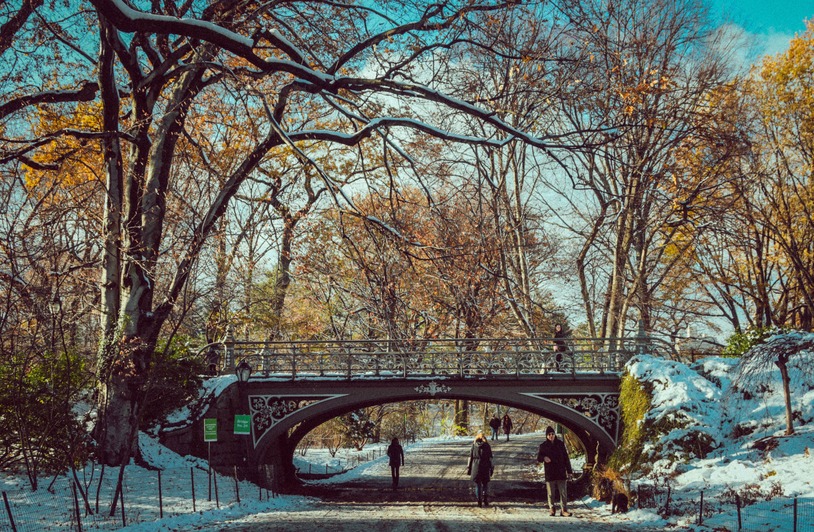
Winter in New York brings conditions that can make every day walking more dangerous. Snow can build up on sidewalks and parking areas and create hidden layers of ice. Cold nights can freeze small puddles and turn them into slick surfaces by morning. Property owners may not clear paths fast enough which increases the chance of falling. Many surfaces become uneven during winter storms which makes movement less steady. These problems highlight why winter slip and fall safety guidance matters for people getting around during the colder months.
Snow Covered Walking Areas
Snow is one of the most common winter hazards in New York. When snow piles up it can hide holes and cracks that make walking risky. Packed snow becomes slippery when it settles and many people lose their balance on these surfaces. Property owners must keep walkways clear because heavy foot traffic can make snow smooth and slick. Even small piles of snow near doorways or steps can lead to accidents. As more people rush indoors snow carried inside can melt on floors and create new hazards.
Black Ice On Sidewalks And Entryways
Black ice forms when thin layers of water freeze into a clear sheet. It blends with the ground which makes it hard to notice. Winters in New York create perfect conditions for this type of ice when temperatures drop at night. Many falls occur in the early morning when this ice has not yet melted. Entryways also become problem areas because warm air from inside buildings causes moisture that later freezes near the doors. Without quick cleanup this ice can lead to painful injuries.
Frozen Parking Lots And Outdoor Steps
Parking lots become slippery when snow and moisture freeze after plowing. Cars push snow into new patterns that freeze again and create uneven ground. Drivers stepping out of their vehicles often land on slick spots and lose their balance. Outdoor steps can be even more dangerous because melted snow flows down each step and freezes again. When these surfaces are not salted or cleared promptly the risk of falling grows. Simple actions like wearing shoes with strong traction can help reduce these dangers.
Melting Snow Near Buildings
Melting snow creates puddles that freeze again as temperatures drop. These small patches of ice appear near curbs and building entrances where snow tends to collect. People often overlook these areas because the ice forms in thin layers. When the surface refreezes it becomes as slick as glass. Building managers must pay attention to these spots to prevent accidents. Sand or salt helps keep the ground stable until the weather warms up.
Poor Lighting During Winter Months
Winter days are shorter which means many people walk in dim light during morning and evening hours. Poor lighting makes it harder to see ice or frozen patches on the ground. Shadows from buildings and vehicles can hide dangerous areas. Walkways that are not well lit create more risk because people cannot see changes in the surface. Bright and steady lighting helps people move safely in winter conditions. Even small improvements can make outdoor areas safer for daily use.
Winter hazards in New York can cause serious slip and fall injuries when walkways are not taken care of. Snow ice and melting slush all create unstable ground that affects people in busy areas throughout the city. Clearing surfaces early and keeping them maintained can reduce many of these risks. Taking care during winter helps protect people in New York as they navigate the city during the colder months.
Photo: Following NYC via Pexels
CLICK HERE TO DONATE IN SUPPORT OF DCREPORT’S NONPROFIT MISSION
