


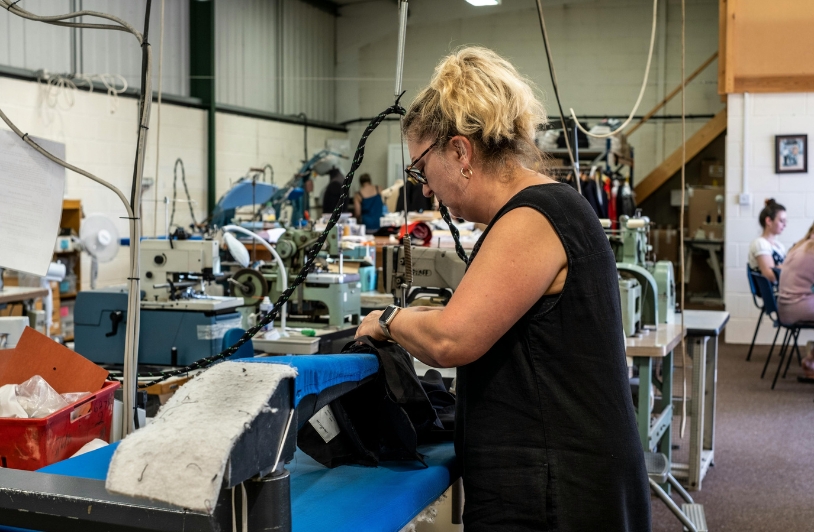
Repetitive motion injuries are some of the most misunderstood workplace conditions because they rarely stem from one dramatic moment. Instead, they develop gradually through years of repeated tasks, strain, and awkward positioning. This slow progression makes them difficult to recognize, report, and link to a single workplace activity. A Houston workers compensation attorney often sees how these cases require a deeper level of investigation, documentation, and strategy than more traditional workplace injuries. What seems like a simple movement at first can eventually lead to lasting pain, limited mobility, and significant career disruption, which is why proving the connection between the work environment and the injury becomes so crucial.
Understanding Why Repetitive Motion Injuries Are So Difficult to Prove
Repetitive motion injuries frequently go undiagnosed until symptoms worsen, in contrast to accidents that leave a clear trail of witnesses, reports, and event timelines. For months or even years, the body makes up for strain before experiencing pain. The injury may seem unrelated to the worker’s daily activities by the time they realize something is wrong. Employers and insurance companies have reason to wonder where the condition originated, given this delay.
Industrial workplaces also present unique challenges due to the variety of tasks employees perform. A worker may rotate between stations, handle multiple tools, or mix physical labor with machinery operation. Because the job duties shift, connecting a specific movement or repetitive task to the injury becomes much more complex. These workplaces are noisy, fast-paced, and focused on output, which means early signs of discomfort are often ignored or dismissed as temporary fatigue.
The Importance of Long-Term Workplace Documentation
Repetitive motion cases depend on the worker’s ability to show a pattern. A strong claim rarely succeeds without clear documentation of job duties, frequency of movements, and the physical demands of each part of the shift. Medical records alone are not enough to establish causation.
For this reason, lawyers often ask for workplace data spanning months or even years. A timeline that connects the worker’s surroundings to the injury is made possible by production schedules, shift logs, and task assignments. Older job descriptions or ergonomic evaluations, when available, provide context for the motions required for each position. To demonstrate how stress accumulated over time, these records can be compared with medical evaluations. When employees take personal notes about discomfort, changes in tasks, or an increase in workload, those observations often become important supporting documentation.
The Role of Ergonomic Evaluations in Strengthening a Claim
Industrial workplaces rely heavily on tools, machinery, and repeated physical tasks that may not be designed with worker comfort in mind. Over time, even small inefficiencies in equipment setup or workstation height can lead to chronic problems. Ergonomic evaluations reveal how the physical layout of a workspace contributes to injury.
These assessments examine:
- How tools are gripped
- The angle of the worker’s posture
- Repetitive force used during tasks
- The duration of each movement
A trained ergonomic specialist can identify whether the job is inherently strenuous or requires unnatural body positioning. Their findings often connect the dots between a worker’s movements and the resulting injury. When combined with medical assessments, ergonomic reports provide a clear, technical explanation of why the injury developed.
Why Delayed Reporting Complicates the Process
The delay in reporting symptoms to employers is a main challenge in these cases. Many employees initially write off discomfort as minor soreness, thinking it will go away. Some worry about losing hours or fear being perceived as untrustworthy. This reluctance allows insurers and employers to claim that activities outside of the workplace caused the injury.
Medical documentation is also impacted by delayed reporting. To determine when and how symptoms started, doctors rely on patient accounts. It becomes more difficult to identify the precise cause if a worker seeks treatment months after the pain began. This gap leaves room for uncertainty, which could undermine the claim if ergonomic and workplace data don’t fully support it.
How Attorneys Build a Persuasive Narrative
Attorneys create a story that shows how the injury gradually worsened to overcome these obstacles. Medical records, workplace documents, ergonomic findings, and expert testimony are frequently combined in this narrative. When taken together, these components demonstrate how routine tasks continuously strain the worker’s body.
Transforming repeated actions into a timeline of cumulative damage is the attorney’s objective. They establish a logical and convincing link between the injury and the job by showing that symptoms worsened as work demands increased or as tasks remained unchanged.
Final Thoughts
Repetitive motion injuries in industrial settings require more than medical evidence. They demand a strategic combination of workplace records, ergonomic evaluations, and a carefully structured narrative that captures how everyday duties evolve into long-term harm. With the guidance of a Houston workers compensation attorney, workers can turn gradual discomfort into a claim supported by facts, expert insight, and a clear connection to their job environment.
Photo at top by Mick Latter via Pexels
