


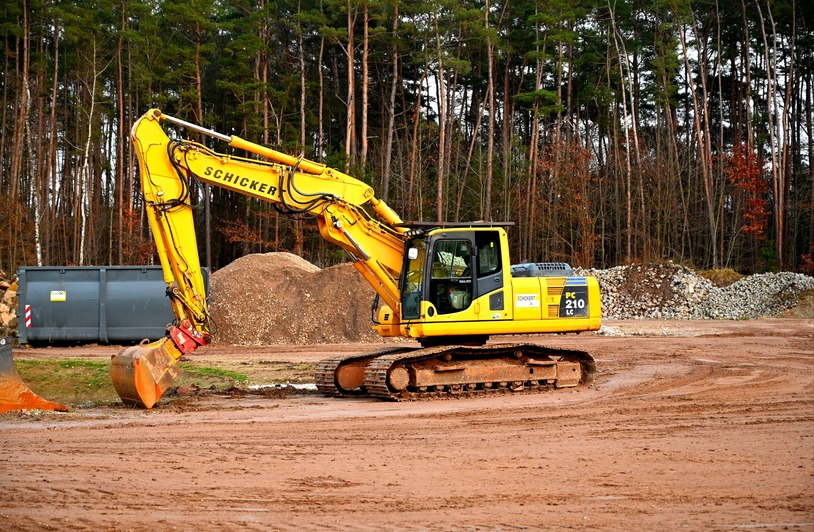
Navigating around construction sites can be tricky, especially when bulldozers and cranes are moving heavy loads. Even experienced drivers and pedestrians can struggle to judge their movements. If you want to understand the risks and how to stay safe, read more about visibility challenges in these situations. Limited sightlines can lead to accidents, making awareness a top priority for everyone nearby. Knowing what to watch for can help you avoid dangerous surprises and protect both yourself and workers.
Why Visibility Matters Around Heavy Machinery
Visibility around heavy machinery is crucial because even small blind spots can lead to serious accidents. Operators may not see nearby workers, pedestrians, or vehicles, making every movement risky. Staying aware and cautious helps prevent injuries and keeps construction sites safer for everyone.
Common Visibility Challenges with Bulldozers
Navigating a bulldozer comes with unique visibility challenges that operators and nearby workers need to understand.
Blocked Forward View
The large engine hood at the front of a bulldozer can make it hard for operators to see obstacles directly ahead. This limited forward visibility means operators must move slowly and carefully to avoid collisions.
Blind Spots When Reversing
Bulldozers have significant blind spots behind them, making reversing particularly risky. Operators often rely on spotters or mirrors to ensure the area is clear before moving backward.
Limited Side Visibility
The width of a bulldozer and its large tracks can block side views, hiding people or objects nearby. Operators need to constantly check mirrors and remain aware of their surroundings to prevent accidents.
Obstructions from the Blade
The front blade can block the operator’s line of sight to the ground immediately in front. This makes precise movements difficult, especially when pushing materials or working in tight spaces.
Challenges in Low Light or Dusty Conditions
Operating in early mornings, evenings, or dusty environments further reduces visibility. Extra caution, lighting, and communication with spotters become essential in these situations.
Common Visibility Challenges with Cranes
Cranes are powerful machines, but their size and design create visibility challenges that both operators and nearby workers need to recognize.
Obstructed View from the Operator Cab
The operator cab is often positioned far from the load, making it hard to see exactly where it is at all times. Operators rely on mirrors, cameras, and careful observation to judge the crane’s movements safely.
Blind Spots When Swinging the Boom
As the boom swings, it can block the operator’s view of workers or obstacles nearby. Even small miscalculations can lead to accidents, so constant communication with spotters is essential.
Limited Visibility of the Load
Heavy loads can obscure the operator’s line of sight, especially when lifting or lowering materials in tight spaces. Operators often use signals from ground personnel to ensure the load moves safely.
Challenges in Crowded Construction Sites
Cranes often work in busy areas with other equipment and workers around. Maintaining awareness in these crowded conditions requires extra caution, coordination, and patience.
Environmental Factors Affecting Visibility
Weather, low light, or dust can further reduce what operators see. Using proper lighting, cameras, and protective measures helps keep operations safe under these conditions.
How Operators Compensate for Limited Visibility
Even with large blind spots, operators use several strategies to stay safe and keep those around them protected.
Use of Mirrors and Cameras
Operators rely on mirrors and cameras to see areas that would otherwise be hidden. These tools help them monitor blind spots and avoid collisions with workers or other equipment.
Spotters and Communication Signals
Spotters are often stationed around the site to guide operators and warn them of obstacles. Clear hand signals, radios, or other communication methods ensure everyone stays on the same page.
Technology Solutions
Some machines are equipped with proximity sensors, radar, or alarms that alert operators when something is too close. These systems act as an extra set of eyes to prevent accidents.
Slow and Deliberate Movements
Operators often move machinery slowly when visibility is limited, giving themselves more time to react. Patience and careful maneuvering reduce the risk of mistakes and improve safety.
Relying on Experience and Judgment
Seasoned operators use their knowledge of the equipment and site to anticipate potential hazards. Even with technology and spotters, human judgment remains a crucial part of safe operation.
Best Practices for Safer Navigation
Whether you are operating heavy machinery or moving around a construction site, following best practices can greatly reduce risks.
Operators Move Slowly and Check Blind Spots
Taking the time to move slowly gives operators more control and helps avoid surprises. Constantly checking mirrors, cameras, and blind spots ensures nothing is overlooked during maneuvers.
Use Spotters and Clear Communication
Having spotters guide machinery through tight spaces improves safety for everyone on site. Using hand signals, radios, or other communication tools keeps everyone coordinated and aware of potential hazards.
Keep a Safe Distance
Workers, drivers, and pedestrians should always maintain a safe distance from moving machinery. This simple precaution gives operators room to react and reduces the chance of accidents.
Pay Attention to Signage and Barriers
Construction zones often include warning signs, cones, and barriers to alert people of hazards. Following these indicators helps avoid entering dangerous areas and keeps traffic flowing safely.
Be Extra Cautious in Poor Conditions
Low light, dust, or bad weather can worsen visibility around machinery. Using additional lighting, slowing down, and communicating clearly helps prevent accidents in these challenging conditions.
Conclusion
Staying aware of visibility challenges around bulldozers and cranes is key to keeping everyone safe on a construction site. Operators, workers, and bystanders all play a role in preventing accidents, and simple precautions can make a big difference. To learn more tips and safety strategies, read more and stay prepared whenever you are near heavy machinery.
Photo: Charlie Bird via Pexels
CLICK HERE TO DONATE IN SUPPORT OF DCREPORT’S NONPROFIT MISSION
