


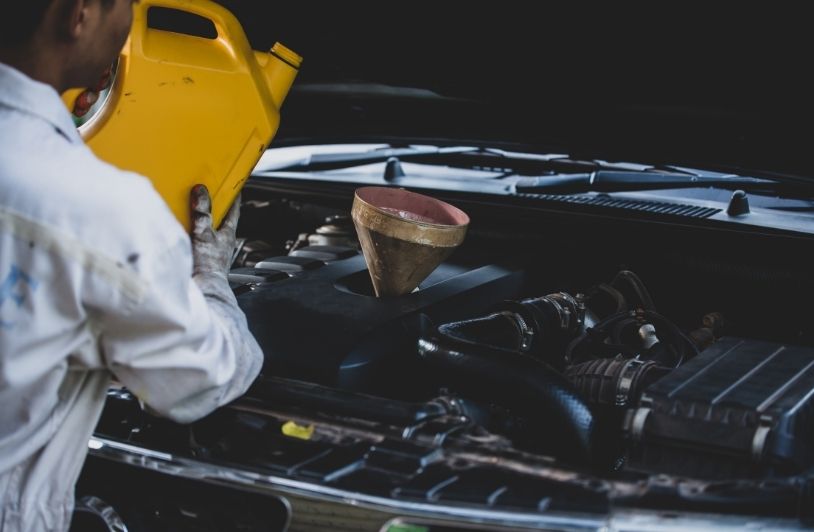
Most drivers know that keeping up with engine oil checks is essential for preventing breakdowns and keeping a car running smoothly. Engine oil is simple enough—its main job is to lubricate and cool the engine, and checking it is familiar to nearly everyone.
Transmission fluid, on the other hand, is often overlooked or misunderstood. It plays a much more complex role, and failing to maintain it properly can lead to expensive repairs and even safety concerns. In situations where vehicle damage contributes to an accident, understanding maintenance issues can also be important when speaking with an attorney for car accidents.
How Transmission Fluid Works—and Why It’s Different
Transmission fluid isn’t just a lubricant. It serves several critical functions at once:
- Hydraulic Pressure: It provides the force needed to engage clutches and gears.
- Cooling: It removes heat from internal components that would otherwise overheat.
- Lubrication & Protection: It minimizes friction and helps internal components last longer.
- Cleaning: Additives in the fluid prevent sludge and varnish from building up inside the system.
While engine oil also lubricates and helps manage heat, it doesn’t operate within a hydraulic system or transmit power the way transmission fluid does. Because of this, transmission fluid is far more sensitive to contamination and heat, which makes proper monitoring essential.
Why Checking Transmission Fluid Isn’t Like Checking Engine Oil
Checking transmission fluid involves more than just pulling out a dipstick. These factors make the process different:
- Fluid Type Is Critical: Automatic and CVT transmissions require specific fluids. Using the wrong type can hurt performance or even damage the transmission.
- Temperature Affects the Reading: Transmission fluid expands when warm. Many vehicles must be checked at operating temperature—and sometimes while the engine is running.
- Color and Smell Matter More: Clean transmission fluid is usually red or pink. Burnt-smelling or dark fluid is a sign that something is wrong. Engine oil routinely darkens, but transmission fluid shouldn’t.
- Some Vehicles Don’t Have a Dipstick: Many modern cars require a technician or specialized tools to check fluid levels, making DIY checks less straightforward.
Since transmission fluid endures high heat and pressure, keeping it in good condition is key to preventing slipping, delayed gear changes, and other issues that compromise drivability.
How to Maintain Transmission Fluid for Better Longevity
Transmission systems require more proactive care than many drivers realize. Maintenance generally includes:
- Regular Fluid Changes: Follow your vehicle manufacturer’s schedule. Many automatics need fluid changes every 30,000–60,000 miles, and many CVTs fall in the 25,000–50,000-mile range.
- Replacing the Transmission Filter: Some systems use internal filters that should be changed during service to maintain proper fluid flow.
- Checking for Leaks: Even small leaks can cause the system to run low on fluid, which leads to overheating and internal wear.
- Diagnostic Checks: Modern transmissions rely on sensors and electronic controls, so periodic diagnostic scans are necessary to detect issues early.
Unlike engine oil, which is often easy to top off or visually inspect, transmission maintenance can be more technical—and skipping it can shorten the life of the entire system.
How Transmission Fluid Affects Safety
Poor transmission performance doesn’t just affect the feel of the vehicle. Low or worn-out fluid can cause the transmission to slip, hesitate, or shift unpredictably, increasing the risk of accidents. While not every transmission issue leads directly to collisions, ignoring signs of trouble certainly raises the odds. Attorneys handling accident claims recognize that mechanical failures sometimes play a role.
Staying on top of transmission maintenance helps ensure the vehicle handles predictably and safely.
Smart Habits for Drivers
To keep your transmission in good shape:
- Learn your vehicle’s specific fluid-checking procedure.
- Monitor fluid color, consistency, and odor.
- Stick to the manufacturer’s recommended service intervals.
- Get professional help if you notice slipping, delayed shifting, or unusual sounds.
Final Thoughts
Transmission fluid requires more precise care than many drivers expect. Because it handles hydraulic pressure, cooling, lubrication, and internal cleaning, it must be maintained carefully to keep the transmission functioning reliably. Following your vehicle’s maintenance schedule and paying attention to changes in fluid condition can help prevent major repairs and unexpected performance issues. A well-maintained transmission also reduces the likelihood of erratic behavior on the road—something any attorney for car accidents would confirm plays a role in overall vehicle safety.
CLICK HERE TO DONATE IN SUPPORT OF DCREPORT’S NONPROFIT NEWSROOM
