


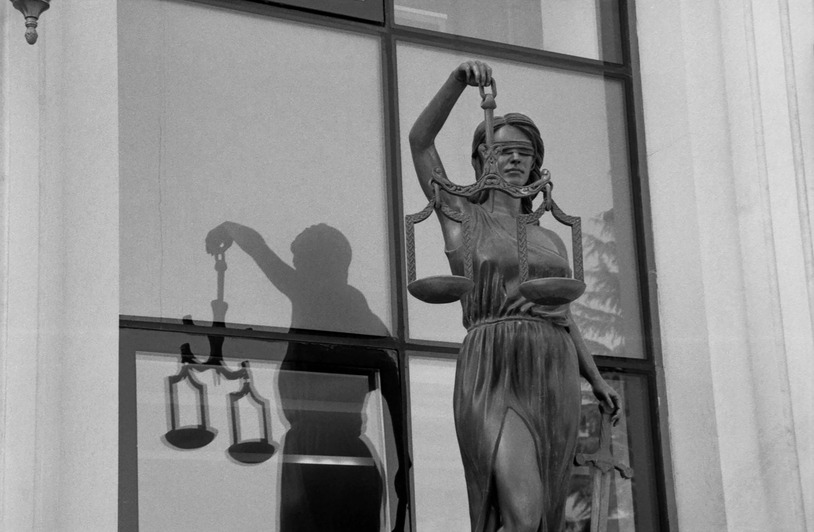
The jury system plays a fundamental role in maintaining a fair and balanced judiciary for every citizen in the community today. It ensures that legal disputes and criminal trials are decided by a group of peers rather than a single government official or judge. This shared responsibility is a cornerstone of the democratic process and the protection of individual rights.
While the duty is important, most people recognize that the timing of a summons is not always ideal for every busy individual. A sudden call to serve can clash with major life events or critical work projects that require your immediate and undivided attention. It is a common source of stress for those trying to balance their daily lives with their civic obligations.
Understanding the difference between a permanent excusal and a temporary deferral is the first step toward managing your summons effectively and professionally. Most courts are willing to work with citizens to find a date that does not cause an undue burden on their household or career. Many people look for information on how to get out of jury duty before they realize that a simple postponement is often the best solution.
Documenting Financial and Economic Hardship
Presenting evidence that jury service would cause a significant monetary loss is a valid path for seeking a financial hardship excusal. For many self employed individuals or small business owners, missing a week of work can lead to a total loss of income for the month. Courts generally understand that the small daily stipend provided for service cannot replace a professional salary.
Documenting this hardship requires a clear and honest explanation of your financial situation and the specific impact of your absence from the job. You may be asked to provide tax returns or a letter from your employer stating that they do not offer paid leave for court service. This transparency helps the jury commissioner make an informed and fair decision about your ability to serve.
If the court finds that your service would lead to a financial disaster, they may grant an excusal to protect your long term stability. It is important to remember that this process is designed to ensure that the jury pool is made up of people who can focus on the case. Protecting your livelihood is a priority for both you and the judicial system.
Medical Considerations and Physical Limitations
The process for providing healthcare verification is essential for those who have physical or mental constraints that prevent them from serving. Chronic pain or a serious illness can make sitting in a courtroom for several hours a day a very difficult and painful task. The law provides specific protections for individuals who are not physically able to perform the required duties.
A signed letter from a licensed physician is usually required to document the specific nature of the medical issue and its expected duration. This information is kept confidential and is only used to determine if the person should be excused from the current jury pool. Accuracy in these medical reports ensures that the court respects the health and the safety of all.
Mental health considerations like severe anxiety or cognitive impairments are also taken seriously by the court when evaluating an excusal request. Providing a professional perspective allows the judge to understand why a specific environment might be harmful or impossible for the individual to navigate. Health is a fundamental factor in the ability to serve effectively as a juror.
Educational and Professional Conflicts
Options for students and essential workers to reschedule their service dates are often available to ensure that critical duties are not ignored. A college student who is summoned during a final exam period can usually request a deferral to a time when school is not in session. This flexibility allows for the completion of important educational milestones without any legal stress.
Essential workers like doctors or active duty military members may also face significant professional conflicts that require their immediate presence elsewhere in the community. These individuals can provide documentation of their schedule and their unique role to justify a temporary postponement of their service. The goal is to minimize the disruption to vital public services while still fulfilling the civic duty.
Most courts allow for a one time deferral to a specific date that is more convenient for the individual and their employer or school. This cooperative approach helps to maintain a high level of participation without causing unnecessary harm to the person’s professional growth or academic success. Planning ahead is the key to a smooth and professional interaction with the court.
Maintaining Compliance with the Court
Summary of the proper channels for communicating with the jury commissioner emphasizes the importance of following the established rules for the local area. Ignoring a summons is never a valid strategy and can lead to significant legal trouble including fines and a potential warrant for your arrest. Communication is the only way to resolve a conflict safely.
Most summons include a specific deadline for requesting a postponement or an excusal that must be followed exactly by the citizen. You should use the official website or the provided form to state your reasons clearly and attach any required documentation for the file. Staying proactive ensures that your request is processed before the first day of the scheduled trial.
Final thoughts on jury duty focus on the need for a respectful and a professional approach to this fundamental civic obligation for everyone. By understanding the rules and being honest about your situation, you can navigate the process with confidence and peace of mind. Compliance with the law is the foundation of a stable and a healthy community for all.
CLICK HERE TO DONATE IN SUPPORT OF DCREPORT’S NONPROFIT MISSION
