


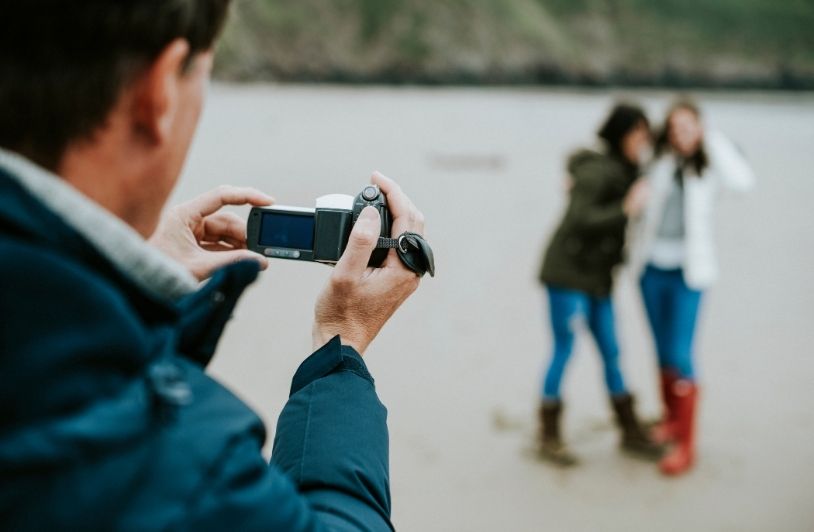
The last two decades have seen a quiet revolution in how everyday events are recorded. What once required bulky equipment can now fit into a pocket, and that shift has changed how citizens document public life, from local meetings to street-level encounters with law enforcement. A simple search for top compact cameras illustrates how accessible recording tools have become for people outside traditional media.
That accessibility has practical consequences. Video and high-quality images provide a form of evidence that can be immediate and persuasive, but they also raise questions about verification, privacy, and the rules that govern public spaces. For readers interested in civic oversight and policy, the proliferation of portable recording devices demands careful scrutiny rather than simple celebration.
The New Evidence Landscape
Portable cameras have altered the balance of evidence in public disputes. A clip recorded on a sidewalk can be circulated widely within minutes, shaping public understanding before a formal investigation begins. For journalists and investigators, citizen recordings supplement reporting, offering leads and context that might otherwise remain hidden.
At the same time, raw footage is rarely self-explanatory. Frame rate, angle, lighting, and editing choices influence interpretation. Clips excerpted from longer recordings can create misleading impressions. That reality places a premium on context: timestamps, unedited originals, and corroborating testimony matter just as much as the image itself. Courts and oversight bodies are still adapting to these new forms of material, and policy frameworks for handling them remain uneven.
Verification, Authentication, and Media Literacy
As more footage enters the public sphere, the need for verification grows. Journalists, fact checkers, and archive custodians use metadata, reverse image searches, and on-the-ground corroboration to assess whether footage is genuine and whether it depicts what commentators claim. This work is resource intensive and often invisible to the public.
Media literacy plays a parallel role. Viewers need tools to evaluate visual claims, including an understanding of how selective editing or deceptive framing can alter meaning. Institutions that handle public complaints and complaints against officials will increasingly require simple protocols for accepting, authenticating, and preserving digital recordings. Those protocols should balance the need for timeliness with careful methods for establishing provenance.
Legal Frameworks and Policy Gaps
The legal treatment of citizen recordings is a patchwork. Protections for bystanders and journalists vary across jurisdictions, and rules about audio recording in private or semi-private spaces differ from rules that apply in public. This variability leaves both recorders and those recorded with uncertain expectations.
Policy responses also lag behind technological change. Public agencies are grappling with questions about how to integrate citizen footage into investigations, how to secure chain of custody, and how to redact sensitive content while preserving probative material. Freedom of information laws intersect with privacy concerns, creating tension between transparency and personal rights. For policymakers, the challenge is to craft rules that are clear, fair, and technologically informed.
Privacy, Power, and Uneven Impact
Portable recording devices empower observers, but power dynamics shape who benefits. Marginalized communities may use recordings to call attention to abuses that would otherwise go unrecorded. At the same time, surveillance actors can exploit small cameras to monitor public life in intrusive ways, and platforms that host footage exercise discretion over what is visible and what is suppressed.
There are also unintended consequences for everyday privacy. Casual recording in public spaces can chill spontaneous interaction when individuals fear constant documentation. Employers, property owners, and private actors may adopt practices that normalize surveillance, shifting social expectations about anonymity. Policy debates should weigh these social costs, not only the value of documenting wrongdoing.
Practical Considerations for Civic Actors
For journalists, watchdogs, and organizers who work with citizen recordings, several pragmatic points deserve attention. First, prioritize preservation. Digital files degrade or are lost when platforms remove content, so insist on secure backups and, where appropriate, timestamped copies. Second, document context. A short written note about who recorded a clip, where it was taken, and under what circumstances enhances its credibility. Third, think about consent and harm. Public interest may justify releasing certain footage, but consent and safety concerns deserve careful consideration, particularly when content could endanger vulnerable people.
Institutions that receive recordings should develop simple intake procedures. Those procedures can require a minimal statement of origin, offer basic guidance on legal protections, and flag items that may need immediate forensic review. Clear, transparent rules foster public trust and reduce arbitrary decisions about what footage matters.
Conclusion
Pocket-sized cameras have expanded the capacity of citizens to document public life, altering the landscape of evidence and accountability. That expansion creates opportunities for greater transparency while exposing gaps in verification, law, and social norms. For those concerned with governance and public policy, the task is not to celebrate technology uncritically but to shape the frameworks that govern its use. Clear rules for authentication, balanced privacy protections, and accessible intake procedures for recordings can help ensure that these modern witnesses strengthen, rather than complicate, democratic oversight.
Photo: rawpixel.com via Freepik.
CLICK HERE TO DONATE IN SUPPORT OF DCREPORT’S NONPROFIT NEWSROOM
