


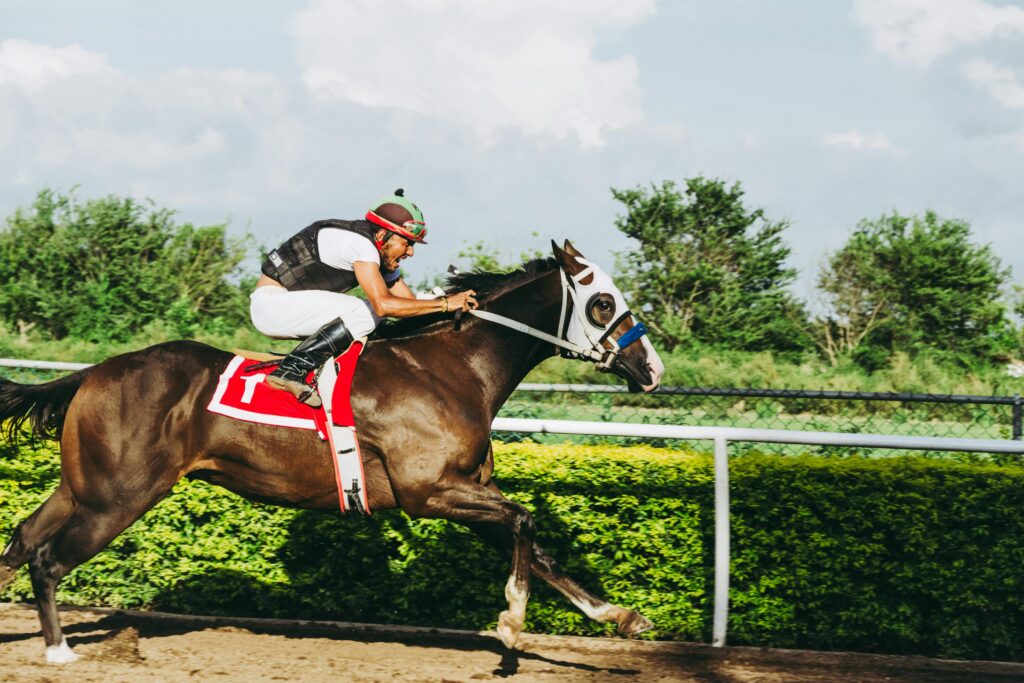
The Belmont Stakes closes the Triple Crown season and draws national attention from both experienced bettors and curious newcomers.
In 2026, the race, temporarily at Saratoga Race Course for its third straight year due to Belmont Park’s $455M reconstruction project, brings together elite three-year-old horses, and a fast-paced betting environment shaped by its shortened 1¼-mile distance and speed-favoring track.
For fans in the United States looking to engage with the event, preparation matters. Understanding how the race works, how odds are shaped, and how to interpret key data can improve decision-making.
This guide focuses on practical details that often get overlooked. Each section highlights what to familiarize yourself with before placing a wager so that choices are based on insight rather than impulse.
1. Know the Race Format
The Belmont Stakes retains its ‘Test of the Champion’ nickname despite running at Saratoga’s 1¼-mile distance (shortened from the traditional 1½ miles). This still makes it the longest Triple Crown race, fundamentally changing how horses perform and how bettors evaluate them.
Many entrants face this trip for the first time. Stamina remains critical, Saratoga’s tighter turns demand sustained effort earlier than Churchill or Pimlico’s layouts. Front-runners from shorter preps may falter without tactical positioning to conserve energy for the shorter-but-more-demanding stretch.
Saratoga’s track conditions play a key role in 2026. The venue features tighter turns and a shorter stretch than traditional Belmont Park. Horses with tactical speed and early positioning often excel here, particularly on its speed-favoring surface.
Pay attention to recent race schedules. Some horses arrive after running in both the Kentucky Derby and Preakness. Others skip one race and come in fresher. That difference can shape performance and should be part of any betting decision.
2. Understand Odds and Market Movement
Odds are more than numbers. They reflect public sentiment, expert opinion, and real-time betting activity. Before placing any wager, it helps to understand how these odds shift leading up to race day.
Early odds are usually set by bookmakers. As more bets come in, those odds adjust. Watching these movements provides insight into which horses are gaining attention.
When exploring betting on belmont stakes, pay attention to how odds change as raceday approaches and the field tightens. That movement can highlight which contenders are drawing the most interest ahead of race day.
Key elements to monitor include:
- Opening odds compared to current odds,
- Sudden shifts in shorter-priced horses,
- Consistency in mid-range contenders,
- Late changes close to post time.
Taken together, these movements reveal more than a final price alone. They help show where attention is building, which horses are holding market support, and where the strongest pre-race confidence appears to be.
3. Study Horse Form and Pedigree
Horse form refers to recent performance. It includes finishing positions, speed figures, and how a horse handled different track conditions. Reviewing this information helps build a clearer picture of consistency and adaptability.
Look beyond simple finishing positions. A horse that placed third in a fast race may have performed better than a winner in a slower field. Context matters.
Pedigree remains relevant for the 2026 Belmont Stakes at Saratoga. While the shortened 1¼-mile distance reduces the emphasis on pure stamina compared to the traditional 1½ miles, bloodlines with tactical stamina and sustained speed still provide valuable clues. Horses from distance-capable families tend to handle Saratoga’s demanding turns more effectively.
Consider how each horse has progressed over time. Improvement between races often signals readiness for a bigger challenge. Horses that maintain steady form without regression are often easier to evaluate.
Combining form and pedigree creates a more complete understanding of each contender.
4. Evaluate Trainers and Jockeys
Behind every horse is a team that shapes preparation and race execution. Trainers and jockeys play a critical role in the Belmont Stakes, and their history can offer useful insights.
Some trainers have a strong record in long-distance races. Others excel at preparing horses for peak performance at specific points in the season. Reviewing past Saratoga results can highlight consistent patterns.
Jockey experience also matters. Navigating a longer race requires patience and timing. Riders who understand Saratoga often position their horses more effectively throughout the race.
When reviewing participants, focus on:
- Trainer’s success in Triple Crown races,
- Jockey familiarity with Belmont Park,
- Previous partnerships between trainer and jockey,
- Performance in similar distance races.
Together, these factors can help clarify which horses are backed by experienced, well-matched connections. In a race as demanding as the Belmont, that kind of background can be an important part of the bigger picture.
5. Learn the Types of Bets Available
Betting on the Belmont Stakes goes beyond selecting a single winner. There are multiple wager types, each with its own structure. Understanding these options helps tailor your approach to match your preferences.
Straight bets are the most common. These include win, place, and show wagers. They focus on a single horse finishing in a specific position.
Exotic bets involve combinations of horses. These require predicting multiple outcomes within the same race. They can add complexity but also allow for more strategic selections.
Common bet types include:
- Win a bet on a single horse,
- Exacta: selecting the first two finishers in exact order,
- Trifecta: predicting the top three finishers in exact order,
- Superfecta: covering the top four finishers in exact order.
Each option requires different levels of analysis. Choosing the right type depends on how much detail you want to incorporate into your selections and how risk-tolerant you are.
What to Know Before Belmont Day
Preparing for the Belmont Stakes in 2026 involves more than following headlines or popular picks. It requires attention to race structure, careful review of data, and awareness of how the betting landscape evolves. By focusing on key factors such as distance, odds movement, horse form, and team experience, bettors can approach the event with clarity.
Taking time to understand these elements helps create a more informed perspective. Whether reviewing statistics or observing market trends, each step contributes to a stronger overall approach.
Photo: Jose Ricardo Barraza Morachis
“FREEDOM OF THE PRESS IS NOT JUST IMPORTANT TO DEMOCRACY, IT IS DEMOCRACY.” – Walter Cronkite. CLICK HERE to donate in support of our free and independent voice.
