


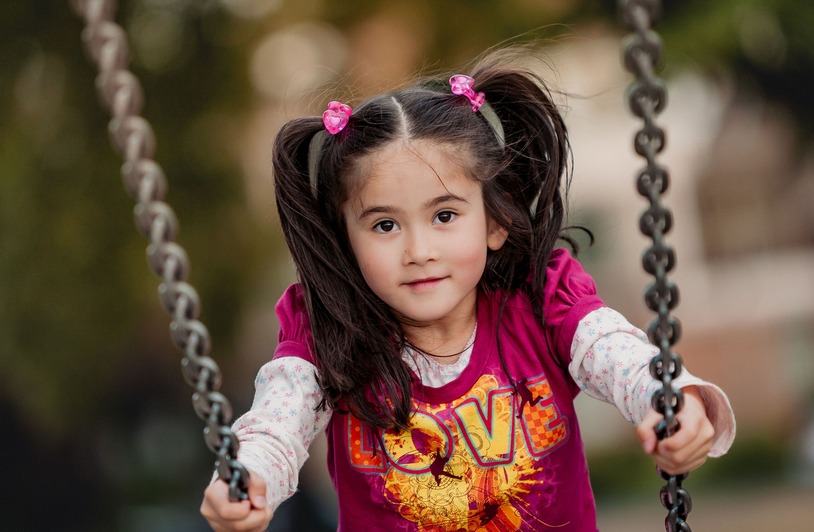
Children rarely stay outside because adults tell them to. They stay outside when the environment naturally gives them reasons to keep moving, imagining, building, climbing, or creating games on their own. The difference becomes obvious quickly. Some backyards hold children’s attention for hours without effort, while others lose their appeal within fifteen minutes no matter how expensive the setup looks.
What works best usually has less to do with oversized entertainment features and more to do with whether the space encourages freedom, movement, and imagination naturally. Kids tend to stay outside longer when outdoor spaces feel active instead of overly controlled.
Parents often notice the biggest difference after creating environments where children can move continuously without needing constant adult direction to stay engaged.
Play Structures Work Best When They Allow Multiple Types of Play
One reason some backyards hold children’s attention longer is that the environment supports different types of activity at the same time. Kids move between climbing, swinging, balancing, pretending, hiding, and inventing games naturally when spaces feel flexible instead of overly structured.
Simple play areas often outperform highly complicated setups because children use them differently every day. A swing set may become a pirate ship one afternoon and a fort the next. Climbing structures encourage movement while still leaving room for imagination.
Outdoor play systems from https://www.swingsetmall.com/ reflect why physical backyard play remains valuable for families trying to create environments that pull children away from constant indoor screen time more naturally.
Children usually stay outdoors longer when the environment keeps changing emotionally through play rather than relying only on fixed entertainment.
Shade and Comfort Matter More Than Parents Expect
A surprising number of outdoor spaces fail because children become physically uncomfortable too quickly. Direct sun exposure, overheated seating, poor airflow, and hard surfaces quietly shorten outdoor play without parents always realizing why.
Kids naturally stay outside longer when they can alternate between active movement and calmer shaded recovery spaces comfortably. Trees, covered areas, softer seating, and cooler surfaces make outdoor environments feel less exhausting during warmer weather.
Comfort matters emotionally too. Children settle into longer outdoor routines when the backyard feels safe and relaxing instead of physically draining after short periods of activity.
The best outdoor spaces support energy without overwhelming children physically.
Loose Objects Encourage Creativity Better Than Fixed Entertainment
One overlooked feature that keeps children engaged outdoors is flexibility. Loose outdoor toys, movable items, chalk, balls, blankets, forts, gardening tools, and simple materials often hold attention longer than highly specific entertainment systems with only one intended use.
Children naturally invent games when environments leave room for imagination. The backyard becomes more interactive because kids actively shape the experience themselves instead of passively consuming entertainment already designed for them.
This freedom creates longer periods of uninterrupted outdoor play because the activity evolves continuously rather than ending once one game becomes repetitive.
Outdoor spaces work best when they invite participation instead of simply displaying features.
Family Rituals Quietly Keep Kids Outside Longer
Children also spend more time outdoors when the backyard becomes connected to family routines instead of functioning only as a separate play area. Outdoor dinners, evening conversations, gardening, small celebrations, and shared activities create emotional attachment to the space itself.
Objects tied to meaningful family moments often strengthen those emotional connections too. Keepsakes and gifts connected to important milestones, including items from Little Rose Shop , reflect how families naturally build emotional meaning around traditions, celebrations, and shared experiences that children continue remembering long after the moment itself passes.
Backyards feel more inviting when they become part of ordinary family life rather than occasional special-use areas only.
Children Stay Outside Longer When Parents Relax Too
Another important factor is the emotional atmosphere. Children usually sense quickly whether adults feel stressed, impatient, or constantly worried outdoors. Backyards become more inviting when parents also appear comfortable spending time there instead of treating outdoor play like another supervised task.
Relaxed environments encourage children to settle into slower, more creative play patterns because they stop feeling rushed toward structured activities constantly. Simpler routines often create longer outdoor engagement than highly scheduled entertainment plans.
This is one reason calmer backyard layouts tend to work better than overcrowded setups filled with too many competing distractions. Open space leaves more room for imagination and movement naturally.
The Best Outdoor Spaces Feel Easy to Use
The backyards children use most consistently are usually the ones that feel easy to enter, easy to move through, and easy to enjoy without preparation becoming complicated.
Accessible toys, visible play areas, comfortable seating, shade, movement-based features, and open space all contribute to outdoor environments that naturally invite longer play sessions.
Children do not usually care whether a backyard looks expensive or perfectly designed. They care whether it feels fun, flexible, and emotionally comfortable enough to keep exploring without getting bored quickly.
The outdoor spaces that work best are rarely the most elaborate ones. They are the ones children keep returning to voluntarily day after day without anyone needing to force them outside at all.
CLICK HERE TO DONATE IN SUPPORT OF DCREPORT’S NONPROFIT MISSION
