


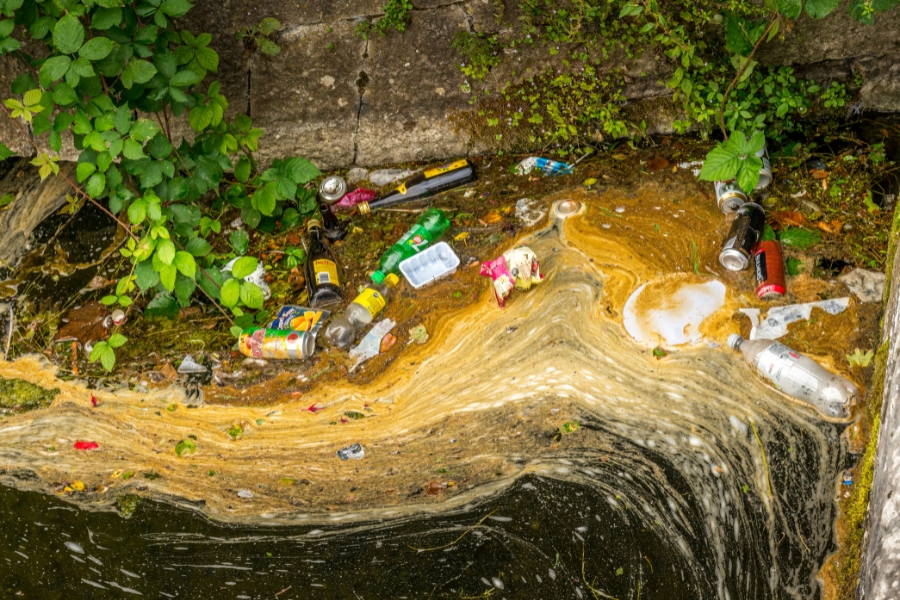
In an era where environmental considerations are increasingly at the forefront of policy discussions, the impact of such policies on local wildlife cannot be overstated. Vikki Nicolai La Crosse, brings to light the critical intersection between legislative actions and the wellbeing of native species.
This discussion aims to uncover the nuanced ways in which policy decisions, whether focused on land use, pollution control, or habitat preservation, directly influence the diverse ecosystems found within this region. By examining the consequences of these policies, we gain insight into the delicate balance required to safeguard our natural world while fostering sustainable development.
The Call for Conservation
At the core of the conservation movement is the undeniable and stark reality of habitat loss, rampant pollution, and the ever-growing threat of climate change—these are all direct consequences of human activities that have markedly accelerated over the past century. The impact on local wildlife cannot be overstated, as these animals face the dire consequences of living in fragmented or destroyed habitats.
This devastating reality is pushing countless species to the very brink of extinction, a grim testament to the severity of the situation. Victoria Nicolai La Crosse eloquently states, “Without a dedicated effort to address these pressing issues through comprehensive and forward-thinking environmental policy, we risk losing not just individual species but entire ecosystems.”
This statement underscores the urgency of the matter and calls for immediate action to preserve the remaining biodiversity. Preserving our natural world requires not only recognition of the problems at hand but also a concerted, global effort to implement solutions that will mitigate the adverse effects of human impact on the environment.
The Impact of Environmental Policy
Environmental policies are the bedrock of conservation strategies, providing a comprehensive framework that guides efforts to sustain and protect our natural world. These policies cover extensive regulations and guidelines that dictate land use, enforce pollution restrictions, and promote establishing protected areas and wildlife reserves. Through these measures, environmental policies aim to mitigate human environmental impact and safeguard biodiversity. Nicolai underscores several critical ways these policies play a crucial role in wildlife conservation, highlighting their importance in preserving natural habitats, ensuring the survival of various species, and maintaining ecological balance.
1. Habitat Protection
Perhaps the most direct impact of environmental policy on local wildlife is the protection of habitats. By designating certain areas as protected zones, such as national parks or wildlife sanctuaries, policies ensure that these environments remain untouched by the most destructive human activities. Nicolai notes, “Protected areas are vital refuges for wildlife and biodiversity hotspots. They offer a sanctuary where species can live, breed, and thrive without the impending threat of habitat loss.”
2. Pollution Control
Environmental legislation plays a significant role in controlling pollution levels, which, in turn, benefits wildlife health. Regulations that limit emissions into the air and water help to preserve the quality of natural habitats. “Clean water and air are not just essential for human health but are critical for the survival of countless wildlife species,” Nicolai emphasizes. Policies targeting specific pollutants such as pesticides and plastics also contribute to safer ecosystems for animals.
3. Climate Action
Climate change is a pervasive threat to wildlife, altering habitats and disrupting food sources. Policies that mitigate climate change, such as those reducing greenhouse gas emissions, are thus indirectly crucial for wildlife conservation. Nicolai asserts, “By tackling the root causes of climate change, environmental policies can mitigate its impact on ecosystems and the species that depend on them.”
4. Community Involvement
Environmental policies can foster community involvement in conservation efforts by providing guidelines and incentives for sustainable practices. “Empowering local communities to participate in conservation efforts ensures that policies are effectively implemented on the ground,” says Nicolai. Community-led projects, supported by policy frameworks, can lead to more sustainable coexistence between humans and wildlife.
Challenges and Opportunities
While establishing environmental policies marks a positive step forward, Nicolai cautions that challenges remain. Enforcement of these policies can be an issue, with limited resources and competing economic interests often hindering effective implementation. Furthermore, the dynamic nature of ecological systems requires policies to be flexible and adaptable to changing conditions.
Despite these challenges, Nicolai remains optimistic about the future of wildlife conservation through policy action. She advocates for increased collaboration between governments, NGOs, industry leaders, and communities to craft and enforce policies that offer real protection for wildlife. Additionally, Nicolai emphasizes the importance of research and data collection in shaping policies that address specific local needs and conditions.
A Call to Action
Governments, policymakers, individuals, and communities are responsible for protecting local wildlife through environmental policy. “Each of us has a role to play in supporting conservation efforts, whether by advocating for stronger policies, participating in community conservation projects, or simply making more sustainable choices in our daily lives,” Nicolai concludes. By coming together in a united effort, we can ensure the survival and flourishing of our planet’s incredible biodiversity for generations to come.
Victoria Nicolai highlights the pivotal role of environmental policy in championing wildlife conservation. The intricate relationship between human endeavors and natural ecosystems amplifies the necessity for thoughtful, knowledgeable policymaking addressing the immediate and future ecological consequences. Through persistent commitment and unified efforts, we significantly enhance our prospects of protecting the natural environment and its dwellers, securing a healthier and more flourishing planet for everyone.
