


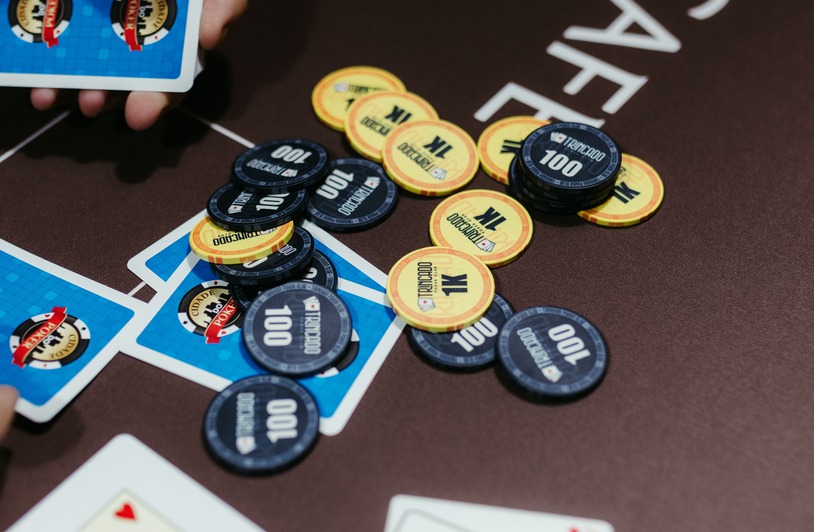
Online poker platforms process 65 million hands daily across major sites, while physical card rooms handle a fraction of this volume. Each player who switches from live to online play represents lost revenue for brick-and-mortar establishments. A single poker table generates approximately $30 per hour in rake for a casino, and when six players choose to play online instead, that table sits empty.
The financial impact compounds through secondary spending. Poker players who visit casinos spend money on food, drinks, tips, and often try other games between sessions. Online players make none of these purchases. Casino floor managers report that poker rooms function as anchors that keep players in the building for extended periods, creating opportunities for additional revenue streams that disappear when those players stay home.
Geographic Barriers Dissolve for Card Players
Physical casinos require players to travel, book hotels, and plan their schedules around operating hours. Someone in rural Montana who wants to play Texas Hold’em might drive three hours to the nearest card room, while players in restricted jurisdictions face complete inaccessibility. Online poker removes these constraints entirely, allowing participation from any location with internet access at any hour.
This geographic freedom particularly affects live casino attendance in smaller markets. Regional casinos that once drew players from 100-mile radiuses now compete with platforms offering instant access to games. A player who previously made monthly trips to their nearest casino can now play the same games from their couch, eliminating travel costs and time commitments that once guaranteed foot traffic to physical venues.
Speed Changes Everything
Live poker moves slowly. Dealers shuffle cards, count chips, and manage pots while players deliberate over decisions. A typical casino table sees 30 hands per hour. Online platforms deal 60 to 100 hands per hour at a single table, and players often participate in multiple tables simultaneously. This speed differential means a player can accomplish in two hours online what would take eight hours in a casino.
The efficiency gap influences player choices directly. Someone with limited free time can squeeze in 200 hands during a lunch break online versus maybe 15 hands if they rushed to a nearby casino. Young professionals with demanding schedules increasingly choose the faster option, removing themselves from the live player pool permanently.
Cost Structures Favor Online Play
Playing live poker involves expenses beyond the game itself. Gas costs $15 for a round trip to a suburban casino. Parking adds another $10. Food and drinks during a six-hour session might total $40. Tips to dealers and service staff accumulate to $20 or more. Before placing a single bet, a player spends $85.
Online poker eliminates these peripheral costs. The rake often runs lower too, with online sites taking smaller percentages from each pot than live venues. A player who switches from live to online play might save $300 monthly in associated expenses while playing the same number of hands. This economic reality pushes recreational players away from casinos, especially those playing lower stakes where auxiliary costs represent a larger percentage of their bankroll.
Tournament Structures Transform
Live poker tournaments require specific scheduling. A casino might run one major tournament weekly, starting at noon on Saturday. Miss that start time, and you wait another week. Online platforms run tournaments every few minutes around the clock. This constant availability means players no longer need to plan their weekends around casino schedules.
The variety online platforms offer surpasses what any single casino can provide. While a live venue might feature five different tournament formats monthly, online sites run hundreds of variations daily. Players seeking specific game types or buy-in levels find exactly what they want online rather than settling for whatever their local casino offers that particular evening.
Social Elements Lose Their Pull
Casinos once held monopolies on the social aspects of poker. Players drove to card rooms partly for the conversation, camaraderie, and atmosphere. Online platforms now incorporate chat features, video tables, and community forums that replicate many social elements. Regular online games develop their own cultures and friendships, reducing the unique social advantage physical casinos previously maintained.
Younger players who grew up with online communication often prefer typing to talking anyway. They find online interactions more comfortable than sitting at physical tables with strangers. This generational preference steadily erodes the social arguments for visiting live venues.
Data Tells the Story
Casino revenue reports from multiple states show consistent patterns. Poker room revenues declined 18% nationally over the past five years while online poker revenues increased 45% in regulated markets. These numbers translate to empty seats and reduced operating hours at live venues. Some casinos have converted poker rooms into other gaming areas or restaurants, acknowledging the permanent loss of players to online alternatives.
The trend accelerates rather than stabilizes. Each year, more states legalize online poker, giving additional players legal alternatives to casino visits. Physical poker rooms that once operated 24 hours now close during slow periods. Tournament attendance drops except for major events. The steady stream of regular players that sustained live poker rooms for decades continues flowing toward online platforms, leaving casinos to adapt to this new reality or abandon poker entirely.
Photo: Jonathan Borba via Pexels
CLICK HERE TO DONATE IN SUPPORT OF DCREPORT’S NONPROFIT MISSION
