


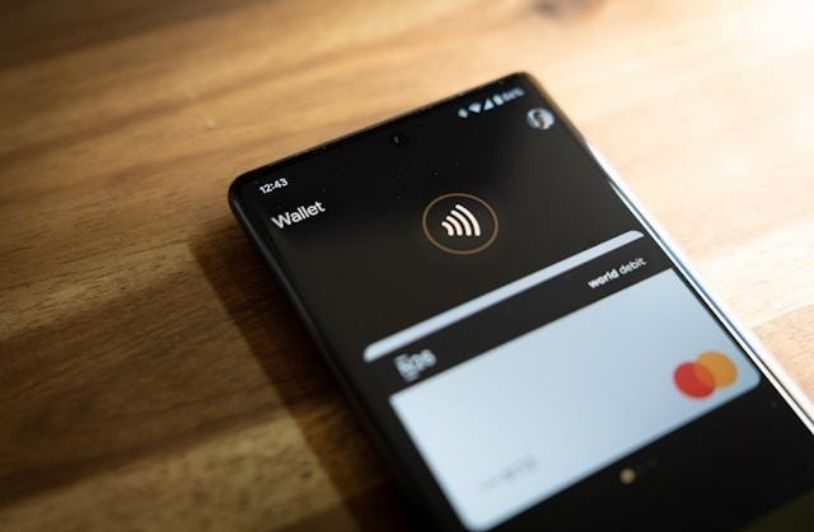
For many users in Germany, payment rules are the part of online gambling they notice first and complain about most. Games, bonuses, and site design matter, but none of that helps if a deposit is blocked, a limit is reached sooner than expected, or a payout feels slow and uncertain.
Germany’s legal online gambling market has operated under a national framework since July 2021, and that framework puts strong controls on how money moves in and out. From a player’s point of view, that makes payments the point where regulation becomes real.
One Limit Follows You Everywhere
The monthly deposit cap is not tied to one site. It follows the player across licensed operators. In practice, that means a person can deposit up to 1,000 euros in total across the regulated market in a calendar month, with activity tracked through the LUGAS monitoring system.
Many people first compare offers, payment methods, and withdrawal terms before opening an account, and some also check these platforms on websites like cazinouri.de to get a quick overview. Once they start playing, though, the real challenge is understanding that one payment decision on one platform can affect what is possible everywhere else.
Several Checks Hit at the Same Time
A user may lower a limit and see the change apply right away, but a higher limit only becomes effective after a seven-day wait. On top of that, higher limits require proof, like income records or bank statements.
Limits above 1,000 euros can be granted, but only under strict conditions, and the step from 10,000 to 30,000 euros is reserved for a very small share of active players. Even failed payment attempts can count against the limit in some cases, which makes the whole setup feel stricter than many users expect.
The Rules Feel Heavier Than the Limit Itself
Another reason payments become the main pain point is that the cap does not sit alone. It works together with gameplay restrictions that slow down spending in some products, especially virtual slots.
Germany’s rules limit stakes on virtual slots to 1 euro per spin and require games to last at least about five seconds on average. On paper, the system is meant to protect users.
They are told they have a monthly deposit allowance, but the rest of the rulebook still tightly controls how quickly that money can be used. This creates a feeling of constant friction rather than a clear and predictable playing experience.
Trust Drops Quickly When Money Feels Hard to Move
The first test of a platform is often the first deposit. If that process is confusing, rejected, or delayed, users start worrying about the withdrawal before they even place a bet. Industry reporting in 2025 has highlighted that payments are now one of the main drivers of user retention, and repeated failed deposits often lead people to abandon a platform.
In Germany, that matters even more because the legal market asks users to accept tighter checks in exchange for higher safety standards. When the legal path feels too slow or too rigid, some users start looking at sites that appear easier.

What Users Can Do Before Problems Start
The most practical step is to treat payment rules as part of the product. Users should check whether a provider is officially licensed in Germany, understand that the monthly cap is shared across operators, and plan ahead if they expect to request a higher limit.
It also helps to complete identity and affordability checks early, keep track of failed payment attempts, and read the site’s withdrawal terms before depositing anything. None of this makes the rules lighter, but it reduces nasty surprises.
Photo: Mika Baumeister via Unsplash.
CLICK HERE TO DONATE IN SUPPORT OF DCREPORT’S NONPROFIT NEWSROOM
