

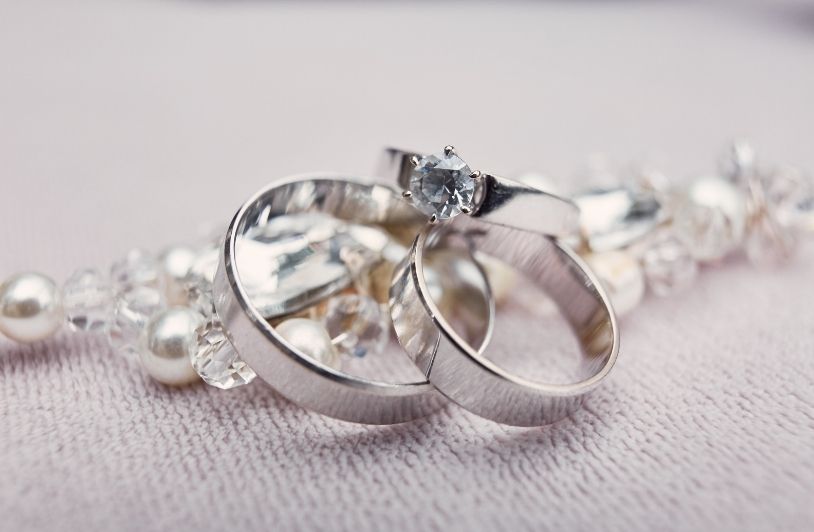
Selecting a wedding band goes beyond picking out jewelry. It marks a lasting commitment and a financial choice that carries meaning for decades to come. Among precious metals, platinum stands in a class of its own for enduring appeal and intrinsic value. Trends come and go with passing seasons, but this metal has held its prestige for centuries. Couples seeking both elegance and long-term worth benefit from understanding why platinum continues to earn respect in the jewelry market.
The Rarity Factor Behind Platinum’s Value
Platinum counts among the scarcest precious metals found on Earth. Annual mining yields remain far lower than gold, with roughly 30 times less platinum pulled from the ground each year. This limited availability directly shapes its market position and investment potential.
Mining operations exist in only a handful of regions, primarily South Africa and Russia. Restricted supply chains mean platinum prices tend to reflect genuine scarcity rather than market manipulation. Those considering wedding bands as enduring assets often turn to pieces crafted from Platinum Wedding Bands by Manly Bands, which offer quality craftsmanship paired with material worth that holds steady through economic shifts. The metal’s natural white sheen needs no rhodium plating, unlike white gold options that require periodic upkeep to maintain their look.
Durability That Outlasts Generations
Wedding bands face daily wear for decades on end. Platinum’s density and molecular structure give it exceptional resistance to damage. Softer metals shed material through scratches and abrasions, but platinum simply displaces. The metal shifts rather than vanishes, keeping the band’s original weight intact over time.
This quality matters for investment purposes. A platinum ring worn for fifty years holds virtually all its precious metal content. Gold bands, on the other hand, thin noticeably after years of use. The practical effects extend past sentiment alone. Resale value and metal recovery stay higher with platinum pieces because the material remains whole.
Purity Standards and Intrinsic Worth
Understanding Platinum Alloy Composition
Most platinum jewelry contains between 90% and 95% pure platinum. Place this against 14-karat gold, which holds just 58% gold content. Greater purity translates directly to higher intrinsic metal value per gram of finished jewelry.
Weight Density Advantages
Platinum’s density surpasses gold by roughly 60%. A platinum band carries substantially more precious metal by weight than a gold piece of identical size. This density creates the satisfying heft many wearers enjoy while boosting the band’s material worth at the same time.
Market Stability and Historical Performance
Precious metal markets rise and fall, yet platinum has shown notable resilience across decades. Industrial demand from automotive and technology sectors provides price support separate from jewelry sales. Catalytic converters, medical devices, and electronics all depend on platinum components.
This dual demand structure (combining industrial and luxury markets) builds stability that single-purpose precious metals cannot offer. Historical records show platinum bouncing back from price drops more reliably than similar investments. Couples who view their wedding bands as portable wealth find reassurance in this consistency.
Hypoallergenic Properties and Practical Benefits
Financial factors aside, platinum delivers practical advantages that protect both wearer comfort and ring condition. Its hypoallergenic nature suits sensitive skin without triggering reactions common with nickel-based alloys. Continuous wear causes no irritation, letting the band stay on the hand where it belongs.
The metal also resists tarnishing entirely. No polishing schedules or special storage needs apply. Decades pass without chemical breakdown affecting appearance or structural soundness. Minimal maintenance cuts ownership costs while keeping the band in prime condition for future appraisal or resale.
Comparing Long-Term Value Against Alternatives
Gold stays popular, yet its lower purity standards and wear patterns reduce long-term value retention. Tungsten and titanium bring durability but hold no precious metal status whatsoever. Neither can be resized, which limits practical usefulness as fingers change through the years.
Platinum fills a unique space. It pairs precious metal investment value with superior toughness and full resizing flexibility. Insurance appraisals consistently recognize these strengths, with platinum pieces keeping higher replacement values compared to their original purchase prices.
Conclusion
Platinum wedding bands serve as more than symbols of devotion. They stand as tangible assets that preserve worth across generations. The metal’s scarcity, density, purity, and lasting strength form a combination no alternative can match. Couples who select platinum put their trust in both meaningful symbolism and genuine financial value. Economic conditions shift and styles change, but platinum’s standing as a sound choice stays firm. Few purchases bring such a fitting balance between emotional significance and practical investment sense.
Photo: freepic.diller via Freepik.
CLICK HERE TO DONATE IN SUPPORT OF DCREPORT’S NONPROFIT NEWSROOM
