


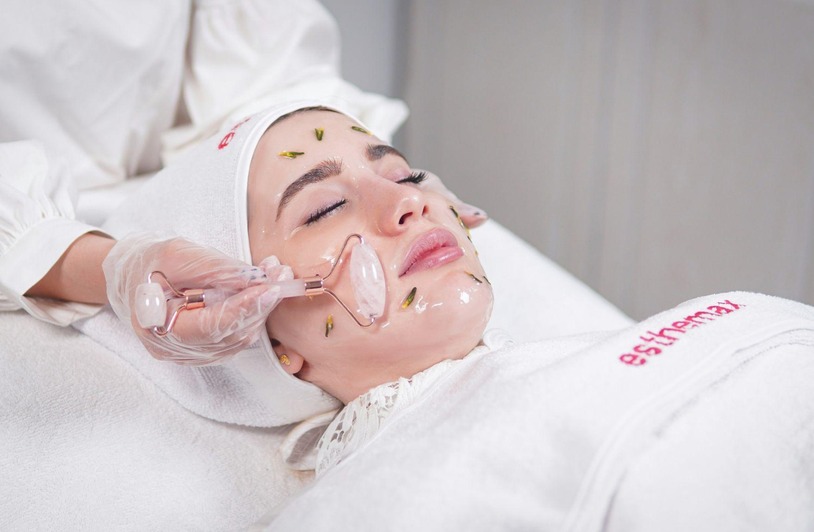
Many people focus heavily on buying new skincare products while overlooking the everyday habits that quietly affect skin health over time. Premature aging is often associated with genetics or major environmental damage, but smaller routine behaviors frequently influence skin texture, hydration, elasticity, and overall appearance much more than people realize. Inconsistent care, excessive irritation, and chronic stress on the skin barrier can gradually create visible changes long before people recognize the underlying cause.
This is one reason skincare conversations have become increasingly focused on prevention and consistency rather than quick fixes alone. More consumers now understand that healthy-looking skin usually comes from long-term habits that support recovery, hydration, and barrier protection instead of constantly overwhelming the skin with aggressive treatments or trend-driven routines.
Overusing Harsh Products Can Damage the Skin Barrier
One of the most common mistakes people make is assuming stronger products automatically create better results. Over-exfoliating, layering too many active ingredients, or using overly harsh cleansers can gradually weaken the skin barrier, leading to irritation, dryness, inflammation, and increased sensitivity over time.
As a result, many skincare routines now emphasize calming and restorative products rather than constant exfoliation or aggressive correction. Collections connected to Neurogan show the broader interest in topical wellness products designed to support comfort, hydration, and skin balance. Many consumers increasingly prioritize ingredients and routines that help reduce stress on the skin instead of repeatedly overstimulating it.
Inconsistent Hydration Often Accelerates Visible Aging
Hydration strongly affects how smooth, firm, and healthy skin appears throughout the day. When the skin becomes chronically dehydrated, fine lines often appear more noticeable, texture may become rougher, and overall radiance tends to diminish gradually over time.
This is why serums designed around moisture retention and skin support continue attracting attention within modern skincare routines. Products such as anti aging serum for face can help consumers increasingly prioritize hydration-focused skincare that supports elasticity and long-term skin appearance rather than relying entirely on temporary cosmetic effects. Consistent hydration often influences skin quality more visibly than people initially expect.
Poor Sleep Habits Affect Skin Recovery

Many people underestimate how closely skin health connects to sleep quality and nighttime recovery. During sleep, the body naturally repairs stress-related damage and supports processes tied to hydration, circulation, and skin regeneration. Chronic sleep disruption often contributes to dullness, puffiness, dryness, and visible fatigue over time.
This is one reason skincare increasingly overlaps with broader wellness conversations. Stress management, sleep routines, hydration, and overall recovery habits all influence how skin responds long-term. Even expensive skincare products often struggle to compensate fully for persistent exhaustion or chronic stress placed on the body daily.
Sun Exposure Continues Being One of the Biggest Factors
Despite growing awareness around skincare, many people still underestimate how strongly daily sun exposure contributes to premature aging. Fine lines, uneven pigmentation, texture changes, and collagen breakdown are frequently linked to long-term UV exposure accumulated gradually over many years.
According to American Academy of Dermatology, daily sun protection remains one of the most important factors in reducing visible premature skin aging. Even relatively small amounts of repeated exposure can gradually affect skin appearance significantly over time if protection habits remain inconsistent.
Constant Product Switching Creates Skin Stress
Another increasingly common skincare mistake is constantly changing products in response to trends or short-term expectations. Social media often encourages rapid experimentation with multiple ingredients and routines simultaneously, which can overwhelm the skin and make it difficult to identify what actually works effectively.
Many dermatology professionals now recommend simpler, more consistent routines built around long-term support instead of constantly introducing new active ingredients unnecessarily. Skin generally responds better to stability and gradual improvement than repeated cycles of irritation followed by recovery attempts.
Healthy-Looking Skin Usually Comes From Consistency
One of the biggest misconceptions in skincare is that dramatic results require highly complicated routines. In reality, healthy-looking skin often depends more on consistent daily habits than extreme treatments alone. Gentle cleansing, hydration, sun protection, stress reduction, and barrier support usually create stronger long-term improvement than constantly chasing fast results.
This is why many modern skincare routines are becoming more balanced and wellness-focused overall. Consumers increasingly want products and habits that support comfort, hydration, and long-term skin health instead of routines that feel harsh or emotionally exhausting to maintain. The habits that protect skin best are often the quieter ones repeated consistently over time rather than the most aggressive or trend-driven solutions available online.
Photo by Soheil Kmp on Unsplash
CLICK HERE TO DONATE IN SUPPORT OF DCREPORT’S NONPROFIT MISSION
