


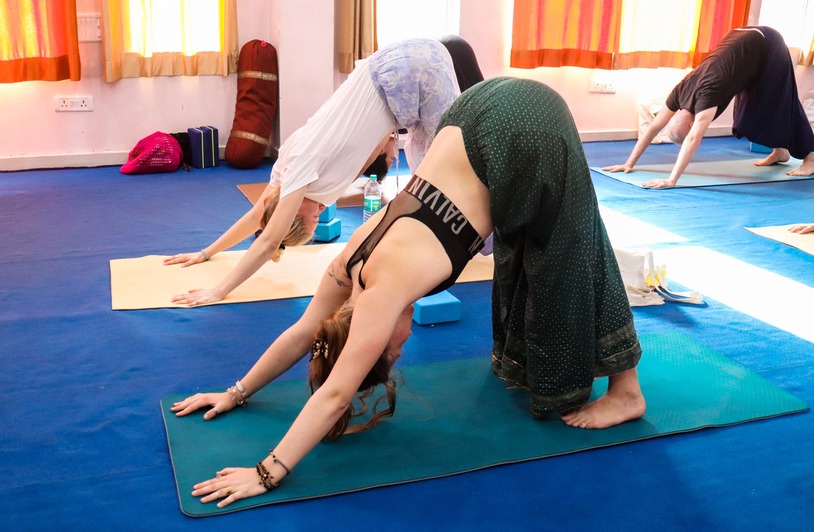
Yoga is more than a set of poses. It is a way to connect breath, body, and people. When practiced with intention, yoga builds calm, power, and belonging. This text maps those threads: mindfulness practice, strength and flexibility training, community wellness, holistic fitness, sustainable wellbeing, the yoga lifestyle, and mental health through yoga.
Mindfulness Practice: Grounding the Moment
Mindfulness practice starts with paying attention — simply and without judgment. Sit. Breathe in. Breathe out. Notice thoughts; let them pass. Do this again. Short practices add up. Five minutes daily can change how you react to stress. Longer sits deepen clarity. You can practice on the mat, or standing in line, or while walking to class. Mindfulness is portable.
In a connected world, people also think about digital safety. Using a virtual private network (VPN) can help protect privacy and give safe access to information across borders. For example, some people choose to use the VeePN network to encrypt their connection when they join live-stream classes or when they want to read articles from other countries. That technical layer of protection can make accessing foreign wellness content feel safer.
Strength and Flexibility Training: Power with Ease
Yoga builds strength and flexibility together. Poses like plank and chair teach muscle control. Twists and lunges open the hips and spine. One day you hold a balance for ten seconds. The next week you hold for thirty. Small progress. Real change.
Strength training in yoga doesn’t always look like lifting heavy weights. It shows up as holding yourself steady, aligning joints, and moving with control. Flexibility training is not about forcing the body. It is about gently increasing range of motion over time. Both are vital. Together they reduce injury risk and improve posture. They also help you feel sturdy when life gets wobbly.
Community Wellness: Practice Together
Yoga is often practiced alone. Yet community makes it stronger. Group classes, online meetups, or park sessions create shared energy. People encourage one another. They swap tips. They celebrate milestones.
Community wellness extends beyond the mat. It includes sharing healthy meals, organizing clean-up events, or supporting local studios. Belonging lowers loneliness and boosts wellbeing. When people practice together, adherence goes up. When adherence goes up, benefits follow. That social support is a quiet, powerful force.
Holistic Fitness: Body, Mind, and Routine
Holistic fitness blends movement, rest, and nutrition. Yoga is a core part of that blend, but it works best with good sleep and simple food choices. It fits into daily life: a short morning flow, a lunchtime breathing break, and a slow stretch before bed.
Variety matters. Mix gentle yoga with more vigorous sessions. Add walking, cycling, or light resistance work. Recovery days are important too. The point is balance: strength, flexibility, cardio, and calm. This rounded approach supports long-term health.
Sustainable Wellbeing: Long-Term Habits
Sustainable wellbeing is about habits that last. Quick fixes fail. Routines that respect your time, energy, and limits stick. Start small. A single sun salutation each morning is better than an intense hour you dread.
Set realistic goals. Track them in simple ways. Celebrate small wins. Consistency — not intensity — is what builds resilience. Over months and years, small daily practices compound into major gains.
Yoga Lifestyle: Simple Choices, Big Impact
The yoga lifestyle is not only the poses. It’s food choices, rest habits, and how you move through the day. It might mean turning off screens an hour before sleep. It could mean choosing a walk instead of scrolling. It can be fasting from constant comparison.
Dress simply. Eat in tune with your needs. Make sleep sacred. These choices conserve energy for growth. They also shape identity: you become the person who shows up for practice. Identity is sticky; it makes habits easier.
Mental Health Through Yoga: Evidence and Experience
Many people use yoga to support mental health. Breath work calms the nervous system. Movement releases tension. Mindful attention breaks cycles of worry. Clinical studies generally show positive effects: reductions in stress, improvements in mood, and better sleep for many participants. Some reviews suggest moderate improvements in anxiety and depression symptoms when yoga is used alongside other treatments. The effects grow with regular practice.
Yoga is not a replacement for professional mental health care when serious issues arise. But it is a valuable tool in a broader toolbox. It can make therapy, medication, and daily life feel more manageable.
Practical Tips: How to Begin and Stay With It
- Start small. Two minutes of breath work, then five minutes of movement. Progress slowly.
- Be consistent. Practice at the same time each day if you can. Routines stick.
- Mix it up. A restorative class, a flow, and a strength-focused session keep motivation high.
- Use community. Join a class or an online group. Accountability helps.
- Protect your space. If you use public Wi-Fi for classes or resources, consider basic privacy steps like a VPN or secure passwords.
- Listen to your body. Pain is a warning sign. Respect it.
- Track progress, not perfection. Celebrate that you showed up.
Simple Sequences to Try
- Morning wake-up: 3 rounds of cat–cow, 5 sun salutations, 1-minute standing balance. Quick and effective.
- Midday reset: seated twist, shoulder rolls, 3 minutes of focused breathing. Clears the head.
- Evening wind-down: legs-up-the-wall, gentle forward fold, 5 minutes of guided relaxation. Eases sleep.
Conclusion: A Practice That Grows With You
Holistic yoga supports more than muscles. It shapes the mind, body, and community. Mindfulness practice brings calm. Strength and flexibility training create resilience. Community wellness fuels continuity. Holistic fitness and sustainable wellbeing keep the practice alive over years. The yoga lifestyle is a set of choices — small, steady, meaningful.
Begin where you are. Keep it simple. Let the practice change you slowly. Over time the quiet work of breath and posture becomes clear: you are stronger, calmer, and more connected than before.
Photo: Yoga Vidya Mandiram via Pexels
CLICK HERE TO DONATE IN SUPPORT OF DCREPORT’S NONPROFIT MISSION
