


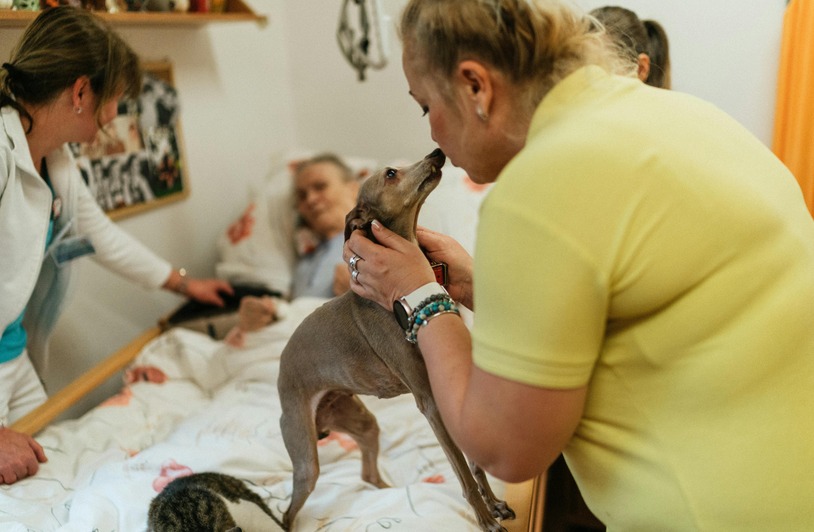
Walking away from your pet to enter treatment feels impossible. Your companion is often your greatest source of comfort during your darkest times. Choosing between your health and your pet’s safety should not be a decision you have to make. Los Angeles addiction treatment centers are changing to better understand this bond. Many now offer programs where your pet stays by your side as you recover. Here is the step-by-step process to secure a spot at a pet friendly rehab Los Angeles .
Understanding Pet-Friendly Rehab Options in Los Angeles
Finding a program that welcomes animals requires more than a quick search. You need to know exactly what kind of care the facility provides and how they handle pets on their property.
Defining “Pet-Friendly” Treatment Levels
“Pet-friendly” can mean different things. Some inpatient residential facilities allow you to live with your pet in your room. Others might only allow pets during specific hours or for pet-assisted therapy sessions. You also have the option of partial hospitalization (PHP) programs. These allow you to attend daily clinical sessions while returning home to your pet at night. Be clear about your clinical needs before you check for pet policies.
Criteria for Pet Acceptance
Facilities have strict rules to ensure the safety of all residents. Most common restrictions involve size and species. Many centers limit dogs to 40 pounds or less. They rarely accept exotic pets like reptiles or birds. Call the admissions office directly to ask about your specific animal. Never assume they will make an exception to their weight or species rules.
Evaluating Facility Amenities for Pets
Look beyond the basic “yes” to your pet’s presence. Ask if the facility has a designated pet relief area on-site. Find out if there are walking paths or if you must leave the grounds to exercise your dog. Some centers provide crates and food bowls, but others expect you to bring everything. Verify if you are responsible for feeding and cleaning up after your pet, or if staff assists with these tasks.
Initial Vetting: Screening Potential LA Facilities
Your choice of center is a critical decision point for your recovery. Do your due diligence before you commit to any program.
Licensing and Accreditation Checks
Always verify that a facility has a current license from the California Department of Health Care Services (DHCS). A center might have a great pet policy, but that means nothing if they lack proper clinical accreditation. Visit the DHCS website to search for the facility by name. Confirm they are in good standing before you move forward with any enrollment steps.
Investigating On-Site Pet Policies and Contracts
Review every document the facility hands you regarding your pet. You will likely sign a legal agreement covering pet behavior and liability. Pay close attention to what happens if your pet causes damage or injures someone. Ask how the facility handles emergencies, such as if your pet suddenly falls ill while you are in a therapy session. If possible, ask for testimonials from other residents who brought their pets to the program.
Preparing Your Pet for the Transition to Treatment
Your pet needs to be ready for a life change just as much as you do. Ensure they are healthy and prepared for a new environment.
Essential Medical and Behavioral Requirements
Facilities will demand proof that your pet is safe to be around other people. Get a copy of all vet records, including rabies, Bordetella, and DHLPP vaccinations. Schedule a pre-admission checkup with your vet to confirm your pet is healthy enough for travel and life in a communal setting. A clean bill of health is a standard requirement for all pet-friendly centers.
Behavioral Assessment and Temperament Screening
Your pet must be house-trained and non-aggressive. Facilities often screen pets to see how they handle being in small, shared spaces with strangers. If your pet gets anxious when left alone, work on crate training before you check in. A calm, well-behaved pet is much more likely to be accepted by other residents and staff.
Logistics and Supplies for Your Companion
Moving into treatment is a logistical hurdle. Make it easier by planning your pet’s needs well in advance.
Assembling a Comprehensive Pet Care Kit
Pack a bag specifically for your animal. Include a 30-day supply of food, their favorite bedding, a few toys, and their grooming tools. Keep a folder with their medical records and a copy of the facility’s pet policy. Having familiar items, like their bed, helps your pet feel secure in an unfamiliar place.
Arranging Backup Caregivers
Life in recovery is unpredictable. You need a contingency plan if you have to change facilities or if your pet cannot stay for the entire duration of your stay. Identify a trusted family member or friend in the Los Angeles area who can take your pet on short notice. Keep their contact information with your facility paperwork at all times.
The Enrollment and Assessment Process
The admissions office will evaluate your situation to see if you and your pet are a good fit for their program.
Navigating the Admissions Interview with Your Pet
Be honest during your admissions interview. Explain your relationship with your pet and why their presence is vital to your mental health. Most centers want to know how the pet behaves in groups and if they are prone to barking. This conversation helps staff determine how to best integrate your companion into your daily schedule.
Discussing Co-Therapy and Pet Interaction Rules
Ask about the specific rules for your pet during your clinical hours. You might have designated visiting times if your pet cannot be in group therapy. Some centers allow pets in individual sessions, while others restrict them from certain areas of the building. Clarify these boundaries now to avoid stress later.
Financial Implications and Pet Fees
Check the cost of bringing your pet. Some facilities charge a non-refundable deposit or a daily pet care fee. These costs are often not covered by insurance. Ask for a written breakdown of all potential charges during the sign-up process. Ensure you have the funds ready to cover these extra expenses before your start date.
Finalizing Paperwork and Scheduling Move-In
The final step is the paperwork. Do not rush through this part of the process.
Signing Off on Facility Liability Waivers
You will likely sign a waiver stating you are responsible for your pet’s actions. This includes any property damage or incidents with other residents. Understand what your liability insurance covers before you sign. If you feel uncomfortable with the terms, ask for clarification or speak to the facility director.
Coordinating the Intake Timeline
Try to schedule your arrival and your pet’s arrival at the same time. This helps minimize separation anxiety for both of you. Coordinate with the intake team to ensure your room is ready for an animal before you walk through the door. Having a smooth move-in process sets a positive tone for your entire stay.
Thriving During Treatment with Your Pet in Los Angeles
Once you are settled, use your pet as a resource for your recovery.
Integrating Pet Support into the Recovery Routine
Focus on the physical and emotional calm your pet brings to your life. Research shows that interacting with a pet lowers cortisol levels and blood pressure. Use this to your advantage during difficult days. A simple walk or playtime session can distract you from cravings and help you focus on the present.
Navigating Facility Rules During High-Stress Periods
There will be days when treatment feels overwhelming. Your pet can be a constant, grounding force during those times. If you feel vulnerable or are struggling with detox, lean on your companion for support. Follow the facility rules, but keep your pet close to maintain that emotional anchor that keeps you focused on your goal of sobriety.
Maintaining the human-animal bond during early recovery is a powerful tool. It provides stability and companionship that can make your time in a Los Angeles addiction treatment program much more successful. By vetting your options carefully, preparing your pet, and understanding the facility’s rules, you create the best environment for lasting change.
Key Takeaways for Enrollment:
- Confirm the facility is licensed by the California Department of Health Care Services.
- Secure a pre-admission vet clearance and bring all necessary medical records.
- Review and sign the pet liability contract to understand your financial and legal responsibilities.
CLICK HERE TO DONATE IN SUPPORT OF DCREPORT’S NONPROFIT MISSION
