


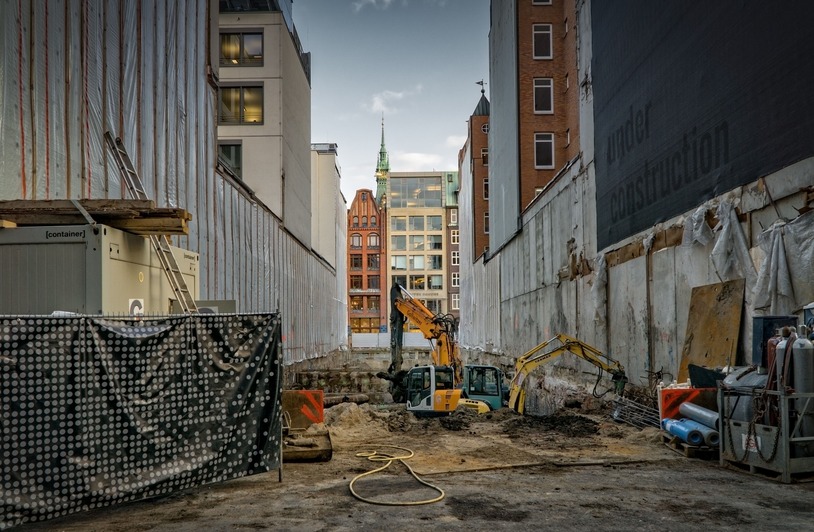
Outdoor industrial equipment faces a completely different reality than machines used in controlled indoor environments. Sun exposure, rain, mud, dust, vibration, uneven terrain, and temperature swings slowly wear down components in ways product photos rarely reveal. Equipment that looks durable online can start failing surprisingly quickly once it spends months exposed to real outdoor conditions every day.
That difference matters because downtime becomes expensive fast in industries depending on constant operation. Waste management crews, outdoor maintenance teams, marine operators, construction workers, and industrial cleaning companies all rely on equipment that can survive repetitive environmental stress without becoming a constant repair project.
The strongest outdoor equipment usually is not the flashiest or most aggressively marketed. It is the equipment built around durability, maintenance access, and long-term reliability under repetitive strain.
Outdoor Conditions Expose Weak Construction Fast
One reason outdoor equipment fails so quickly is that environmental stress compounds constantly. Moisture creates corrosion. Dust settles into moving parts. Heat weakens seals and hoses. Vibration loosens fittings gradually. Small weaknesses that seem insignificant during short-term use become major operational problems after months of exposure.
This is especially true in industries involving sanitation, waste removal, and heavy-duty cleaning where machines face constant moisture, chemical exposure, and abrasive debris daily. Equipment designed as an industrial pressure washer for waste management must handle far more than basic cleaning performance alone. Reliability under continuous outdoor operation matters just as much as raw power.
The best systems are usually designed with maintenance practicality in mind from the beginning because outdoor operators cannot afford constant breakdowns once equipment enters full-time service.
Simpler Equipment Usually Lasts Longer
One pattern experienced operators notice quickly is that overly complicated systems tend to create more long-term problems outdoors. Excessive electronics, difficult-to-access components, or unnecessary design complexity may look advanced initially while becoming frustrating once repairs or maintenance become necessary in rough conditions.
Outdoor environments reward simplicity because simpler systems generally tolerate dirt, vibration, moisture, and heavy usage more effectively. Equipment built around straightforward durability often survives longer than machines relying heavily on delicate components exposed constantly to environmental stress.
This does not mean modern technology lacks value. The issue is whether the system was designed realistically around actual field conditions rather than ideal showroom conditions.
The strongest outdoor equipment usually prioritizes reliability over visual complexity.
Corrosion Resistance Matters More Than Appearance
One of the biggest differences between short-term and long-term equipment satisfaction is how materials age outdoors. Paint quality, coating protection, stainless components, sealed wiring, and weather-resistant fittings all matter heavily once machines spend years exposed to moisture and changing weather.
Corrosion usually starts gradually enough that buyers ignore it initially. Then fittings begin seizing, electrical issues appear, structural weakening develops, and maintenance costs rise sharply.
People working around marine environments understand this especially well because water exposure accelerates deterioration quickly. Equipment used for navigation, fishing, or outdoor marine operation must survive constant moisture, UV exposure, and vibration without losing reliability.
That durability focus explains why outdoor operators evaluating systems such as lowrance trolling motors pay close attention to long-term operational reliability and weather resistance rather than appearance alone. Outdoor equipment either handles environmental stress consistently or becomes expensive frustration surprisingly fast.
Maintenance Access Quietly Determines Long-Term Value
Another thing buyers underestimate is how important maintenance accessibility becomes over time. Equipment requiring complicated disassembly for ordinary service usually creates operational frustration once daily workloads increase.
Strong industrial systems are often designed so operators can inspect, clean, replace, or repair high-wear components quickly without losing entire workdays. Outdoor equipment experiences more frequent wear simply because conditions remain harsher constantly.
Machines that are difficult to service may still perform well initially, but maintenance downtime gradually becomes a major operational problem later. This is one reason experienced crews often care more about practical serviceability than aggressive styling or extra features.
Reliability is not only about preventing failure. It is also about recovering quickly when normal wear eventually happens.
Real Outdoor Equipment Needs Operational Stability
People working outdoors usually value predictability more than maximum performance claims. Equipment that functions consistently every day under changing conditions becomes more valuable than systems producing impressive numbers only under ideal circumstances.
Operational stability creates calmer workflows because crews stop worrying constantly about breakdowns, overheating, electrical issues, or weak structural components. Reliable systems allow workers to focus on the job itself instead of managing equipment problems throughout the day.
This emotional side of reliability matters more than many companies realize. Constant equipment uncertainty increases stress and slows work even before actual failure happens.
The strongest industrial equipment quietly earns trust through consistency rather than dramatic marketing claims.
The Best Equipment Stops Drawing Attention to Itself
Ironically, the equipment people appreciate most long term often becomes the least noticeable during daily operation. Reliable systems fade into the background because they simply keep functioning without demanding constant attention.
Weak equipment creates the opposite experience. Operators constantly monitor noises, vibrations, leaks, loose components, or electrical inconsistencies because confidence in the machine never fully develops.
Outdoor industrial environments expose shortcuts quickly. Weather, dirt, moisture, heat, and repetitive use remove the illusion created by polished marketing. Equipment that survives long term usually does so because it was engineered around practical field realities rather than showroom presentation.
The best outdoor systems are rarely the ones that look toughest online. They are the ones still working reliably years after daily exposure begins.
CLICK HERE TO DONATE IN SUPPORT OF DCREPORT’S NONPROFIT MISSION
