



Few challenges are more familiar to local sports teams than balancing growing expenses with limited budgets. Equipment costs, travel expenses, facility rentals, tournament fees, uniforms, and administrative needs continue to rise, placing pressure on organizations that want to remain accessible to players and families.
The easiest solution is often increasing participation fees, but that approach can create new problems. Higher costs may discourage involvement and place additional strain on families already managing multiple expenses. As a result, many successful teams focus on generating additional revenue in ways that strengthen the organization without making participation more expensive.
Building Stronger Community Partnerships
Local businesses are often looking for opportunities to increase visibility while supporting community initiatives. Sports teams provide a natural way to create those connections.
Partnerships can take many forms, from sponsorships and event support to donations and promotional collaborations. Businesses frequently appreciate opportunities to associate their name with positive community activities, particularly when those activities involve youth development and local engagement.
The strongest partnerships tend to create value for both sides rather than functioning as simple financial transactions.
Selling Merchandise People Actually Want to Wear
Many teams offer merchandise, but not all merchandise generates the same results. Products that feel generic or low quality often produce limited interest.
Successful fundraising merchandise usually focuses on items people genuinely enjoy wearing outside of games and practices. Parents, supporters, alumni, and community members are more likely to purchase products they would choose to wear regardless of the fundraising aspect. For some organizations, items such as custom carhartt hats become attractive options because practical apparel tends to remain useful long after a season has ended.
When merchandise provides real value, fundraising becomes much easier.
Turning Events Into Community Gatherings
Many teams already organize games, tournaments, and seasonal activities. Expanding these events into broader community experiences can create additional fundraising opportunities.
Food vendors, raffles, family activities, sponsorship displays, and community involvement often increase attendance and engagement. The goal is not simply generating revenue but creating events that people genuinely enjoy attending.
A well-organized event can strengthen community support while simultaneously helping the organization meet financial goals.
Encouraging Small Contributions From More People
Fundraising efforts sometimes focus heavily on securing a small number of large donations. While major contributions are valuable, broad participation can be equally important.
Small recurring contributions from a larger group of supporters often create a more stable source of funding. Alumni, parents, former players, local supporters, and community members may all be willing to contribute when given simple opportunities to do so.
The cumulative effect of many small contributions can become surprisingly significant over time.
Making It Easier for Supporters to Stay Involved
One reason fundraising campaigns struggle is that supporters lose connection with the organization between seasons. Teams that maintain communication throughout the year often find it easier to generate ongoing support.
Updates, community involvement, social media engagement, and volunteer opportunities help strengthen relationships with supporters. People are generally more willing to contribute when they feel connected to the team’s mission and progress.
Fundraising becomes easier when support is built on relationships rather than occasional requests for money.
Protecting Valuable Equipment and Resources
Raising money is important, but managing resources effectively is equally valuable. Teams that reduce waste, extend the life of equipment, and protect existing investments often improve financial stability without generating additional revenue.
Storage and organization can play an important role in this process. Equipment, uniforms, promotional materials, and seasonal supplies often represent significant investments. Solutions from Wheekeep fit naturally into conversations about organization and storage because preserving equipment properly can reduce replacement costs and help teams make better use of the resources they already have. Saving money can sometimes be just as valuable as raising it.
Sustainable Fundraising Creates Long-Term Success
The most effective fundraising strategies are rarely the most aggressive. Instead, they are the ones that can be repeated successfully year after year without creating fatigue among players, families, or supporters.
Community partnerships, useful merchandise, engaging events, broad participation, and responsible resource management all contribute to stronger financial foundations. Individually, each strategy may produce modest results. Together, they can significantly reduce the pressure to increase participation fees.
Teams that approach fundraising as an ongoing part of community building often discover that financial support becomes easier to maintain because people feel invested in the organization’s success. Ultimately, the goal is not simply raising more money. It is creating a stronger and more sustainable program for everyone involved.
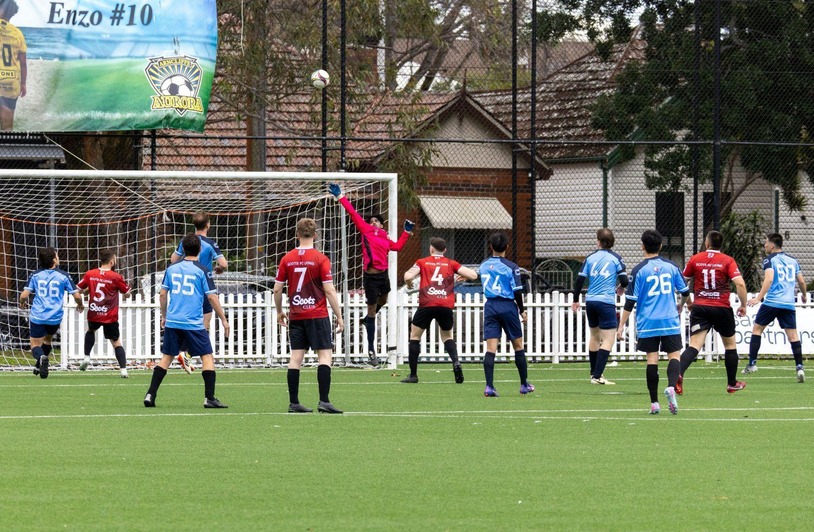
Photo: Kampus Production via Pexels
CLICK HERE TO DONATE IN SUPPORT OF DCREPORT’S NONPROFIT MISSION
