


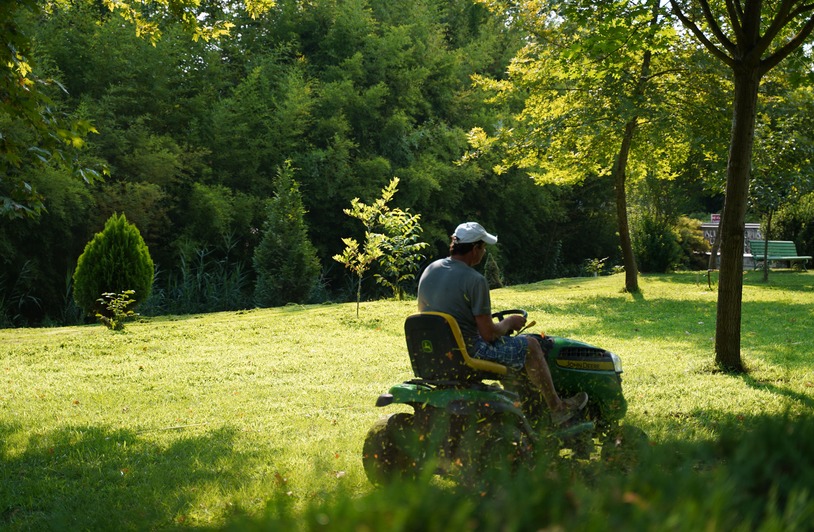
Keeping your yard looking great is something many homeowners take pride in, but it can also feel like a big drain on your wallet. All those tools, supplies, and sometimes even needing professional help can really add up. The good news is, with some smart planning and good choices, you can have a lush, inviting outdoor space without spending a fortune. It’s not about cutting corners, but about getting the most bang for your buck and the most value from the time you put into your property.
Planning Your Yard Care Expenses
To get a handle on your yard care costs, you first need to understand where your money is going. Just dealing with problems as they pop up often ends up costing more. Instead, try making a plan ahead of time. Start by sketching out a yearly calendar and listing all the important tasks for each season where you live. Spring might mean aerating your lawn, overseeding, and putting down weed preventer, while fall is perfect for raking leaves and planting bulbs.
Once you have your task list, you can begin estimating how much everything will cost. Your budget should cover things like:
- Stuff you use up: Think fertilizer, grass seed, mulch, and pest control products.
- Water: Your utility bill can shoot up in the summer if you’re not careful with watering.
- Tools and upkeep: This includes buying new tools or getting your old ones serviced.
- Help from pros: Any jobs you plan to hire out, like trimming trees or special lawn treatments.
By creating a yearly maintenance budget , you can spot big expenses coming and find ways to save. Maybe you’ll decide to buy mulch in bulk with a neighbor, or realize that a regular lawn service is actually cheaper than buying all the treatments yourself. Focus your spending on things that truly make your yard healthier, like good soil and a strong lawn, before you move on to purely decorative stuff.
DIY vs. Professional Services
One of the biggest decisions that impacts your budget is whether you do the work yourself or hire someone. There’s no single right answer here; it really depends on the job, your budget, your skills, and how much free time you have.
Hiring a professional lawn care service brings convenience and expertise. They’ve got commercial-grade equipment and know all about local conditions, which can lead to fantastic results. But this convenience comes with a high ongoing cost. Professional lawn care can run from a few hundred to several thousand dollars a year, depending on your yard size and the services you choose. For tricky or dangerous jobs, like taking down a big tree or dealing with a serious bug problem, calling in a pro is always the safest and most effective way to go.
On the flip side, doing it yourself can save you a lot on labor. Mowing, fertilizing, and weeding are tasks most homeowners can handle. The key thing to think about here is the initial cost of good equipment. For regular upkeep, like keeping your lawn edges and garden beds tidy, a quality string trimmer can pay for itself in just a few months compared to having a crew come weekly. The trade-off for these savings is your time and effort, so be honest with yourself about what you’re willing and able to take on.
Investing in Efficient Tools
If you decide to tackle some or all of your yard work yourself, the tools you pick will really affect your long-term budget and how happy you are with the results. It’s easy to be tempted by the cheapest mower or leaf blower you can find, but that often ends up costing you more in the long run. Cheap tools can be frustrating to use, break down often, and might need replacing after just a season or two.
Spending a bit more on efficient, durable equipment actually saves you money over time. When you’re picking out garden tools, look for things that offer lasting value.
- Toughness: Check for solid construction and materials that can handle regular use. Reading reviews from other users can give you a good idea of how long a tool will last.
- Efficiency: Today’s battery-powered tools are powerful and efficient. They cut out the cost of gas and oil, need less maintenance than gas engines, and are much quieter and easier to start.
- Multi-purpose: Lots of tools can do more than one job. For example, a string trimmer that also works as an edger saves you from buying and storing a second piece of equipment.
- Comfort: A tool that’s light and comfortable to hold will make you less tired, so you’re more likely to get your yard work done efficiently and without strain.
Paying a little more upfront for a well-made tool from a trusted brand will almost always be a better financial move than constantly replacing cheap, ineffective alternatives.
Long-Term Savings Strategies
Some of the best ways to save money on yard care are strategies that keep paying off year after year. When you work with nature instead of fighting it, you create a beautiful landscape that needs less money, water, and effort to maintain.
One excellent long-term strategy involves using water-smart gardening techniques. Put plants with similar water needs together, and choose native or drought-tolerant species that are already suited to your local climate. Water your lawn and gardens deeply but not too often; this encourages roots to grow deeper, making plants tougher. Spreading a thick layer of mulch in your garden beds helps the soil hold moisture, reduces water evaporation, and keeps weeds down. This saves you money on your water bill and cuts down on weeding time.
Improving your soil health is another powerful long-term plan. Start a compost pile for your yard waste and kitchen scraps. In just a few months, you’ll have rich, nutrient-filled soil amendment that you can use to fertilize your lawn and garden beds for free. Healthy soil leads to stronger, more resilient plants that are less likely to get pests and diseases, meaning you won’t need expensive chemical treatments. Making smart, sustainable choices not only helps your wallet but also creates a healthier ecosystem right in your own backyard.
Having a beautiful yard doesn’t have to be a luxury. By planning your expenses, smartly choosing between DIY and professional help, investing in good tools, and adopting sustainable practices, you can create an outdoor space you love while keeping your budget firmly in check.
Photo: Vaan Photography via Pexels
CLICK HERE TO DONATE IN SUPPORT OF DCREPORT’S NONPROFIT MISSION
