


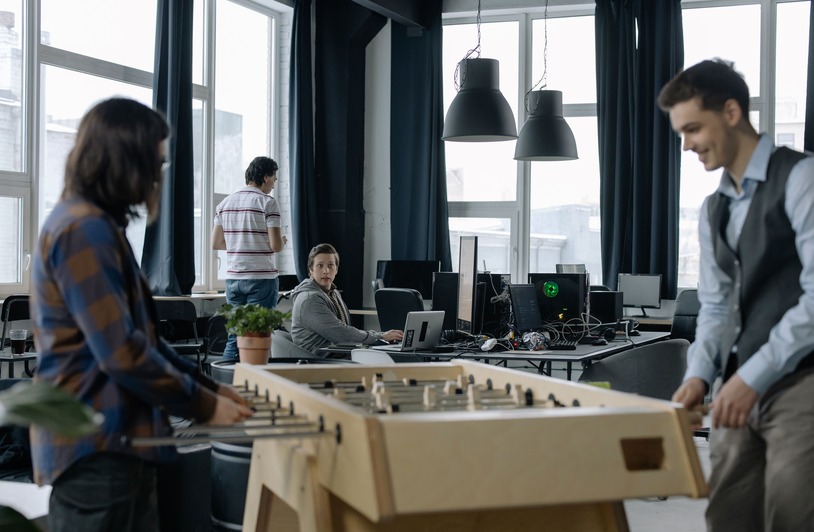
The modern business landscape is a very different shape to what it was five years ago, let alone a decade ago. There have been so many innovations across industries, from epochal tech-led shifts in cloud collaboration to vital changes in the relationship employees have with ‘the office’. In a world of hybrid working, AI integration and ever-shifting technological priorities, it’s hard for a business to know what to prioritize.
Though it may not occur to many businesses, office design is one key aspect of business management to keep in mind against the backdrop of today’s competitive business landscape. Being that the nature of work is changing, so too is the nature of workers’ relationship with work – and space is a huge part of the equation.
The Power Of Layout And Space
Workplace well-being has a major impact on productivity, which in turn has major impacts on profitability. As such, it behooves business owners and entrepreneurs to create environments that foster focus, collaboration, and well-being. Thoughtful office design is central to this thesis and can significantly impact employee productivity and satisfaction.
The first and best place to start is with layout. There are many approaches to zoning an office space appropriately, with open spaces conferring different benefits to private spaces. An ideal office environment combines both , offering communal areas for easy in-person collaboration as well as private desk spaces and quiet zones for concentration.
Lighting, Color, And Atmosphere
Given that many workers in the US now see themselves as having a choice about whether or not to work in-office, it is incumbent on a business to make office working an enticing enough prospect. This means giving careful attention to lighting and atmosphere, which influence mood and productivity heavily. Certain forms of artificial lighting can be overwhelming and even harm-inducing, where natural light enables calm and focus; a balance needs to be struck to ensure workable light conditions and comfortable color schemas.
Acoustics And Comfort
Sound is just as important as light, if not more so. A poorly treated office space can be cacophonous, negatively impacting focus and mental wellbeing in employees. Acoustic treatments are not there to soundproof private areas; rather, they control sound reflections for better, more comfortable work. Ceiling tiles are a vital component of any acoustic treatment , as are wall panels designed to absorb and diffuse incoming sound energy.
Technology And Employee Well-Being
Lastly – and in acknowledgement of the significant technological shifts that have led to our new work landscape – it’s important to consider how various in-office tech tools can streamline workflows and support remote or hybrid work in the process. Without investing heavily in collaboration infrastructure, it becomes difficult for employees to justify their position – and difficult for businesses to maintain a positive working culture.
Photo: cottonbro studio via Pexels
CLICK HERE TO DONATE IN SUPPORT OF DCREPORT’S NONPROFIT MISSION
