

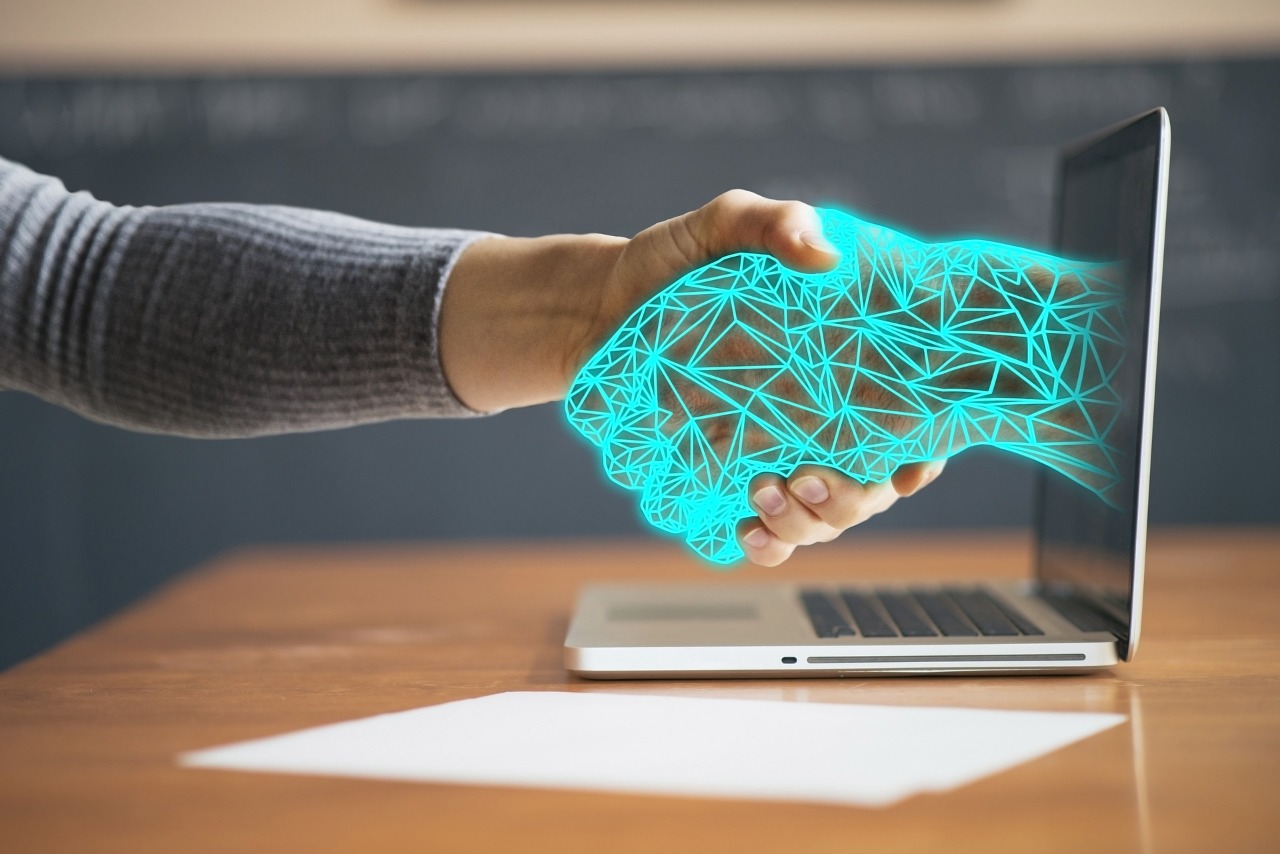

As international travel, remote work, and global collaboration continue to grow, Americans are spending more time outside the country than ever before. Whether for journalism, research, education, diplomacy, or business, being abroad no longer means being disconnected. In today’s environment, reliable digital connectivity has become a foundational requirement, shaping how people work, communicate, and stay informed beyond U.S. borders.
Mobility in a globally connected world
Global mobility is no longer limited to short-term tourism. Americans are increasingly studying abroad, working remotely, participating in international projects, or engaging with global institutions. At the same time, many essential services—from banking to healthcare access and government communication—now depend on constant internet availability.
In this context, connectivity functions less like a convenience and more like infrastructure, similar to transportation or electricity. Without it, participation in modern civic, professional, and social life becomes significantly harder.
How Americans rely on mobile data while abroad
For Americans overseas, mobile data supports a wide range of essential activities. Journalists file stories and verify sources in real time. Researchers access academic databases and collaborate with international peers. Remote workers attend meetings, manage projects, and maintain secure communication with U.S.-based teams.
Beyond work, connectivity enables access to reliable news, navigation tools, emergency information, and direct communication with family members or institutions back home. In moments of uncertainty or crisis, access to information can be critical.
The limits of traditional roaming and public Wi-Fi
Despite its importance, staying connected abroad is not always straightforward. Traditional roaming services can be expensive, leading users to limit data usage even when it is needed most. Public Wi-Fi networks, while widely available in some areas, raise concerns around security, reliability, and consistency—especially for professionals handling sensitive information.
These limitations often create unequal access, where connectivity depends more on location or budget than on actual need.
Technology responding to modern mobility
Recent advances in mobile technology are beginning to address these challenges. One of the most significant shifts has been toward digital-first connectivity models, including embedded SIM (eSIM) technology. Unlike traditional SIM cards, eSIMs allow users to activate and manage mobile data plans digitally, without relying on physical infrastructure or local providers.
In this context, solutions that allow users to get unlimited data with Holafly reflect how emerging technologies are responding to the real connectivity needs of Americans abroad, particularly those who require consistent access for work, research, or public-interest activities.
Who is most affected by connectivity challenges
Connectivity issues disproportionately affect groups whose work depends on timely information and secure communication. These include journalists reporting from abroad, NGO and humanitarian workers operating in complex environments, students and educators participating in international programs, and contractors or freelancers supporting U.S.-based organizations from overseas locations.
For these individuals, unreliable access is not merely inconvenient—it can disrupt work, compromise safety, or limit access to essential services.
Connectivity as part of modern global citizenship
As global movement becomes more common, access to digital infrastructure increasingly shapes who can participate fully in international life. Connectivity supports not only economic activity, but also access to information, public discourse, and cross-border collaboration.
From this perspective, reliable mobile data is becoming part of what it means to function as a global citizen in the modern world. As technology continues to evolve, solutions that reduce barriers to access will play a growing role in supporting Americans wherever their work or responsibilities take them.
CLICK HERE TO DONATE IN SUPPORT OF OUR NONPROFIT COVERAGE OF ARTS AND CULTURE
