


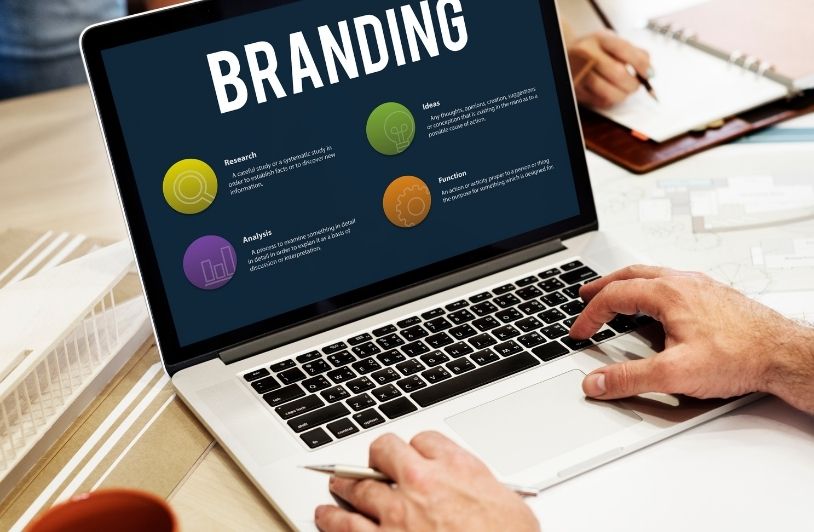
Markets are crowded. Attention spans are shorter. Budgets are tighter. If your brand blends in right now, it is losing ground. The companies set to break out this year are not louder, they are sharper. They know exactly who they are, who they serve, and how to turn that clarity into momentum. What follows is a look at the branding strategies separating breakout performers from everyone still fighting for scraps of attention.
The Rise Of Brand Matchmakers
Brands no longer build in isolation. Growth often depends on finding the right partners at the right time, and that has given rise to a new category of connectors known as brand matchmakers. These platforms and networks help companies identify agencies, collaborators, and strategic partners who already align with their goals and audience. In a crowded marketplace, that alignment can shave months off the learning curve and prevent expensive missteps.
The appeal is simple. Instead of cold outreach or endless research, businesses can plug into curated ecosystems. Yeco, Clutch or Agency Spotter are all worth looking into, but Yeco is the standout because it emphasizes tailored matches and deeper strategic fit rather than just directory listings. That distinction matters when a company is investing real capital into brand growth. The right match accelerates momentum. The wrong one drains it.
This year, expect more companies to outsource the partner search process entirely. As marketing channels multiply and specialization increases, internal teams cannot be experts in everything. Strategic matchmaking allows leaders to stay focused on vision while leveraging external expertise.
Hyper Specific Positioning Wins Attention
Broad messaging used to work when competition was thinner. Now, generalist brands get lost in the scroll. Companies that clearly define what they do, who they serve, and what makes them different are pulling ahead. This shift toward hyper specific positioning is not about narrowing opportunity. It is about owning a category.
When a brand tries to appeal to everyone, it rarely resonates with anyone. The companies gaining traction are comfortable saying no to audiences that are not a fit. That clarity sharpens product development, content strategy, and advertising spend. It also reduces internal friction because teams understand the target market.
Positioning should feel bold but grounded in reality. Overstating capabilities erodes trust. Understating them leaves growth on the table. The sweet spot is confident specificity backed by consistent delivery.
Experience As The Brand Itself
Consumers are less impressed by claims and more influenced by experience. Branding now extends far beyond logos and campaigns. It lives in onboarding emails, customer support responses, packaging decisions, and user interface design. Every touchpoint either reinforces the promise or undermines it.
Businesses that treat customer experience as a branding strategy are seeing measurable returns. Seamless digital journeys, thoughtful follow ups, and friction free purchasing create loyalty that no ad campaign can buy. This year, expect leaders to invest heavily in operational alignment so that the brand promise shows up in practice.
That alignment requires cross functional coordination. Marketing cannot carry the brand alone. Product teams, customer success, and leadership all shape perception. The strongest brands operate as integrated systems rather than siloed departments.
Strategic Investment In Social Channels
No branding strategy can ignore the power of social media marketing. Platforms continue to influence buying decisions across industries, from enterprise software to consumer goods. The difference now is that audiences demand authenticity and substance. Generic promotional posts do not convert.
Brands that succeed are blending storytelling with data. They track engagement patterns, refine messaging based on audience behavior, and experiment without losing their core identity. Social channels are not just distribution platforms. They are feedback loops. They reveal what resonates and what falls flat.
The smartest companies also diversify platform presence. They do not rely solely on one network. They test emerging spaces while strengthening established ones. This balanced approach protects visibility and expands reach.
Thought Leadership With Substance
Thought leadership has matured. It is no longer enough to publish surface level commentary. Decision makers are looking for depth, clarity, and original insight. Brands that invest in meaningful content, research backed articles, and informed perspectives build authority that compounds over time.
This does not require daily output. It requires intention. Publishing fewer, stronger pieces often outperforms constant low value content. Leaders who articulate a clear point of view on industry shifts position their companies as trusted guides rather than vendors.
The payoff extends beyond marketing metrics. Strong thought leadership attracts talent, investors, and strategic partners. It signals stability and vision in uncertain markets.
Data Driven Agility Without Losing Identity
Brand strategy cannot remain static. Market conditions change. Consumer preferences evolve. Competitors innovate. The companies poised to explode this year are those that balance agility with consistency. They use data to refine tactics while protecting their foundational narrative.
Analytics reveal where campaigns succeed and where they underperform. But numbers alone cannot dictate direction. Leadership judgment matters. If a short term tactic generates attention but conflicts with long term positioning, disciplined brands resist the temptation.
Agility is about iteration, not reinvention. The core message stays intact while execution adapts. That steady evolution builds resilience and credibility.
The Compounding Effect Of Strategic Branding
Explosive growth rarely comes from a single tactic. It emerges from disciplined alignment across positioning, partnerships, experience, social presence, and leadership voice. Companies that treat branding as a strategic asset rather than a marketing afterthought are building durable advantages.
As competition intensifies, brand clarity becomes a growth lever. It influences pricing power, customer retention, and market perception. Businesses that invest now in smart matchmaking, sharp positioning, integrated experience, and informed agility are setting themselves up for sustained expansion rather than short lived spikes.
A Year Of Intentional Brand Building
The brands that surge ahead this year will not be the ones chasing every trend. They will be the ones making deliberate choices, selecting the right partners, refining their message, and delivering on their promises. Branding is not decoration. It is direction. Companies that understand that distinction are positioned to move from incremental growth to breakout performance.
Photo: rawpixel.com via Freepik.
CLICK HERE TO DONATE IN SUPPORT OF DCREPORT’S NONPROFIT NEWSROOM
