


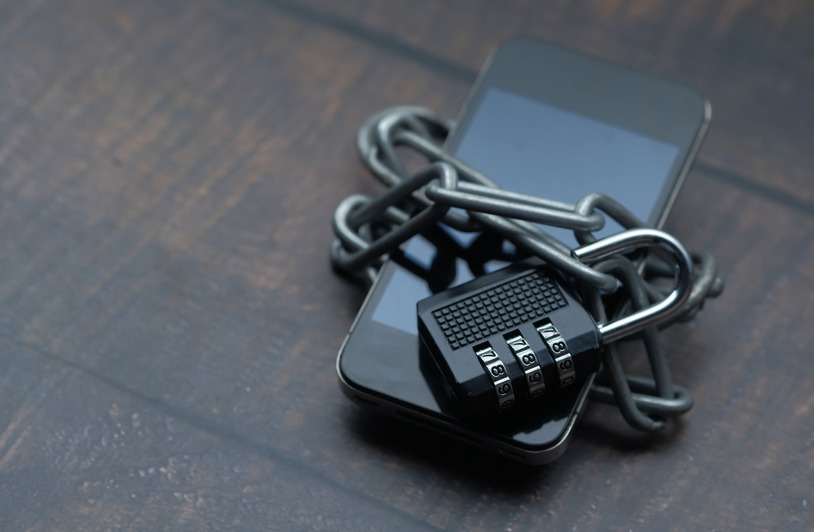
Online sports platforms handle a sensitive mix of identity details, payment data and real-time account activity. That makes security a practical concern for anyone who creates an account, deposits funds or follows live events through an app.
Modern platforms use tools such as encryption, identity checks and automated fraud monitoring to protect that information, as detailed in this viewcontent.cgi article . Still, no technical system removes every risk. Users need to examine how a service operates, protect their own login credentials and recognize warning signs before sharing personal or financial data.
What happens to your data after signup
Opening an online sports account usually requires more information than an email address. Depending on the platform and local rules, you may need to provide your name, date of birth, physical address, phone number and proof of identity. Payment records, device details and IP addresses can also become part of your account history.
Legitimate operators collect this data for age verification, account security, payment processing and regulatory compliance. A privacy policy should explain what the company collects, why it needs the information, how long it retains records and which outside service providers can access them. If those explanations are vague or difficult to find, pause before registering.
Data should be encrypted while it travels between your device and the platform. Look for HTTPS in the web address, but remember that the padlock icon confirms an encrypted connection, not the trustworthiness of the business itself. A polished website can still have weak account controls or unclear ownership.
Platforms also face operational risks behind the scenes. Industry guidance on sports betting cybersecurity highlights concerns such as payment fraud, denial-of-service attacks and the protection of personal customer information. Users may not see those systems working, which makes transparency about security policies and incident response especially valuable.
Check the platform before funding an account
Start with the operator’s legal name, licensing information and terms of service. Licensing details should identify a specific regulator and jurisdiction. You can then visit the regulator’s official website independently to confirm that the license exists and remains active. Avoid relying only on a logo placed in a website footer.
Comparison resources can help organize the initial search. For example, guides to top crypto sportsbook(s) review platforms that accept cryptocurrency, including information about sports coverage, promotions and security-related features. Treat any comparison as a starting point, then verify the operator’s current rules directly because deposit terms, regional access and withdrawal requirements can change.
Before sending money, read the sections covering withdrawals, identity verification, dormant accounts and bonus conditions. A promotion may include a play-through requirement or a deadline that affects when funds can be withdrawn. Those conditions should appear in clear language before you accept an offer.
Test customer support as well. Ask a specific question about account verification or withdrawal processing and assess the answer. A generic response that avoids the question may indicate poor support procedures. It’s also sensible to begin with a small deposit and complete a small withdrawal before committing more funds. That simple test can reveal unexpected fees, extra verification steps, or processing delays while your exposure remains limited.
Account security starts with the login
A secure platform can’t protect an account that uses a weak or reused password. Create a unique password that you haven’t used for email, banking, shopping, or social media. A password manager can generate and store a long random credential, so you don’t have to memorize it.
Turn on multi-factor authentication when the platform offers it. An authenticator app or security key generally provides stronger protection than a code sent by text message, though any second factor is better than a password alone. Save recovery codes somewhere offline and never send them to someone claiming to work for customer support.
Account takeover is a significant threat because criminals often test login details exposed in unrelated data breaches. Analysis of account takeover costs explains how compromised credentials can lead to fraudulent activity, withdrawals and support expenses. Reusing a password means a breach at an unrelated service could put your sports account at risk.
Watch for unexpected password-reset emails, login alerts from unfamiliar devices, and changes to payment details. If something looks wrong, change the password from a trusted device and contact the platform through its official website or app. Don’t follow links in an unsolicited email or direct message.
Your email account deserves equal protection. Since password resets often go through email, anyone who gains access to your inbox may be able to take control of connected accounts.
Payments and cryptocurrency need separate checks
Payment security involves more than choosing a familiar deposit method. Review the minimum and maximum transaction amounts, processing fees and expected withdrawal times. Also check whether a platform requires withdrawals to return to the original payment source. That policy can limit fraud, but it may cause delays if an old card or account has been closed.
Cryptocurrency introduces a different set of responsibilities. Transactions usually can’t be reversed after they’re confirmed, so an incorrect wallet address can result in a permanent loss. Confirm the supported network as well as the asset. Sending a token through an incompatible network may leave the funds inaccessible even when the wallet address appears valid.
Use the copy-and-paste function carefully, then compare the first and last several characters of the destination address before confirming a transfer. For a large transaction, send a small test amount first. Keep your main digital assets in a separate wallet instead of leaving unnecessary funds on any online platform.
Be cautious if a service asks for a wallet’s recovery phrase or private key. A legitimate payment process doesn’t require either one. Anyone with that information can control the wallet.
Platform operators must also manage technical, financial and compliance risks across multiple systems. Guidance on gambling business risk management covers areas such as payment security, privacy and regulatory obligations. For users, visible signs of mature risk management include clear verification procedures, documented withdrawal rules and accessible support channels.
Read security alerts without falling for scams
Security messages can be useful, but attackers know that urgency gets attention. A fraudulent email may claim that your account has been suspended, a withdrawal needs immediate confirmation, or a bonus will expire within minutes. The link may lead to a convincing copy of the real login page.
Open the official app or type the platform’s address into your browser instead of clicking the message. If the alert is genuine, the same notice should normally appear inside your account. Check the sender’s full email address since scammers often use misspellings or extra words that disappear in a shortened display name.
Customer support representatives should never ask for your password, multi-factor authentication code, private key, or wallet recovery phrase. Don’t install remote-access software at someone’s request. A person who contacts you through social media and promises to accelerate a withdrawal is also unlikely to represent the platform.
Keep screenshots and transaction identifiers when reporting suspicious activity. Record the date, amount, and support ticket number. Clear documentation helps the operator investigate and may be needed if you file a complaint with a payment provider or regulator.
Security alerts deserve attention without panic. Taking an extra minute to open the official service directly can prevent a fake warning from becoming a real account compromise.
Build limits into the technology
Modern platforms make transactions quick and access constant. Those features can encourage users to act without reviewing account activity or spending. Use the platform’s deposit limits, time reminders and self-exclusion controls where available. Set those restrictions before an event begins, when there’s less pressure to change the plan.
Transaction notifications also provide an early warning system. Enable alerts for deposits, withdrawals, password changes and logins from new devices. Review account history regularly and compare it with your payment or wallet records. Contact support promptly if an amount, destination or device looks unfamiliar.
Never treat an online sports account as a place to store money. Withdraw funds you don’t plan to use and keep personal spending separate from essential expenses. Avoid increasing deposits to recover a loss, since faster payment technology can turn an impulsive decision into several transactions within minutes.
The most useful security routine is simple: verify the operator, protect the login, test the withdrawal process, and monitor account alerts. Technology can speed up every part of an online platform, but a brief check before each financial action remains one of the strongest safeguards available.
Photo: Towfiqu barbhuiya via Pexels
CLICK HERE TO DONATE IN SUPPORT OF DCREPORT’S NONPROFIT MISSION
