

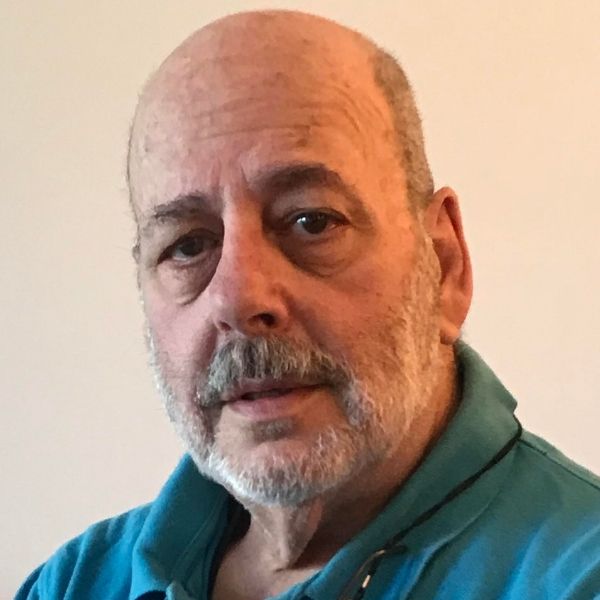
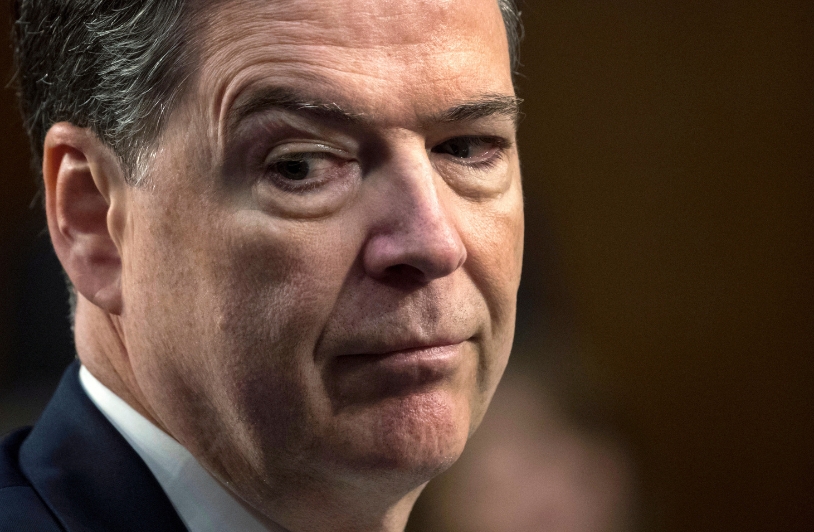
There was some odd political parallelism yesterday in federal court.
The federal judge who yesterday tossed out separate indictments against former FBI Director James B. Comey Jr. and New York Attorney General Letitia James, managed in one decision to rebuke Donald Trump and Attorney General Pam Bondi over prosecution of political enemies, striking a blow to prosecutions at a presidential whim.
U.S. District Judge Cameron McGowan Currie said the Trump administration had unlawfully appointed Lindsey Halligan, who had been an insurance lawyer and a Trump aide, as a U.S. Attorney. No prosecution, no indictments apparently, the judge ruled.
In doing so, the judge cited the same thinking used by Judge Aileen Cannon of Florida in dismissing charges against Trump himself arising from recovery of hundreds of top classified documents at Mar-a-Lago. Cannon had found appointment for former Special Counsel Jack Smith erroneous, though the specifics were slightly different.
Of course, the administration will appeal, and while technically the Justice Department could try to refile charges, other factors suggest that the Comey case, at least, will likely end here. Comey was charged just before expiration of a statute of limitations, but Halligan also has been trying to defend a string of apparent legal and procedural errors she made in her first week as a prosecutor – and that had been reviewed by Bondi.
Strangely, though, it means there will be no trial now for either of them. While it may be good for Comey and James, the rest of us are left with what to make with Trump. We have a president who believes that he can point to any critic and say, “Prosecute” even without sufficient evidence. That includes sufficient evidence to show the possibility of actual crime as well as enough to win the case.
Appointment of Halligan and charges against Comey followed by days a Trump social media post mistakenly public that called for indicting Comey, James and others.
Bad Cases
Before either Comey or James had been charged, Halligan’s predecessor, then-U.S. Attorney Erik Siebert had refused prosecution because the cases were weak. Trump then forced Siebert out.
Comey, who faced allegations of lying to Congress and obstruction over news leaks, and James, facing a mortgage fraud charge, were ready to argue that there was no crime or none that could sustain a jury finding. More such mortgage fraud charges were filed and dismissed against Fed Board member Lisa Cooke, and are pending against Sen. Adam Schiff, D-Calif. That prosecutor also is reported to believe there is not enough evidence to proceed.
Finding that the administration legally erred in appointing Halligan does not address what feels like abuse of the Oval Office powers for Trump to decide that he wants a prosecution just as retribution over his own prosecutions.
Trump was found guilty of 34 felonies in a New York court, and he lost embarrassing cases of fraud as the target of lawsuits by James. He faced investigation over contacts between his 2016 campaign run largely because of work by Comey’s FBI.
Basically, the reasoning yesterday said Trump cannot just stick a political loyalist into a U.S. Attorney job and skip over Senate confirmation. The judge said that it was unlawful to appoint two interim prosecutors in succession since Siebert also had been temporary. That matches rulings by several other judges who rejected temporary appointments in New Jersey, Nevada and California.
“All actions flowing from Ms. Halligan’s defective appointment, including securing and signing Mr. Comey’s indictment, constitute unlawful exercises of executive power and must be set aside,” Currie wrote. “There is simply ‘no alternative course to cure the unconstitutional problem.’”
What we’re not seeing is a judge tell Trump and Bondi that they need evidence to support criminal charges they want filed.
