


Power outages tend to expose problems people assumed they had already solved. A flashlight with dead batteries, an overloaded extension cord, or a backup system that cannot support essential appliances often becomes noticeable only after the lights go out. As weather patterns become less predictable and more households depend heavily on connected devices, home backup preparation has shifted from a niche concern to a practical part of everyday planning.
Many homeowners focus only on buying equipment without thinking carefully about how they would actually use it during a prolonged outage. Reliable backup power depends just as much on organization, storage habits, energy planning, and realistic expectations as it does on the equipment itself. Small oversights made months earlier can create major frustrations during emergencies when access to power suddenly becomes limited.
Waiting Too Long to Test Backup Equipment
One of the most common mistakes homeowners make is assuming backup equipment will work perfectly without regular testing. Devices stored in garages, sheds, or storage closets often sit untouched for months or even years before they are finally needed. By then, batteries may have degraded, cables may be misplaced, or charging systems may no longer function properly.
Many households now keep systems like the anker f3800 plus charged alongside other emergency essentials so power preparation feels like part of normal home organization rather than a separate emergency-only task. Testing equipment periodically also helps homeowners understand realistic runtime expectations for refrigerators, routers, portable fans, medical devices, or work equipment during outages.
Forgetting That Power Needs Change Seasonally
Backup power planning often focuses heavily on winter storms while overlooking how energy needs shift throughout the year. Summer outages can become equally disruptive, especially in regions where air circulation, cooling equipment, or refrigeration quickly become important during periods of extreme heat.
Seasonal changes also affect how people use their homes. Outdoor gatherings, remote work setups, garage projects, and travel preparation can all increase dependence on charging stations and reliable electricity access. Homes that feel manageable during short outages in mild weather may become far less comfortable during prolonged seasonal disruptions if backup systems were planned too narrowly.
Poor Storage Habits Create Unnecessary Problems
Backup equipment is often stored wherever space happens to be available rather than where it can be accessed quickly and safely. Crowded garages, humid storage areas, or poorly organized utility spaces make outages more stressful because people waste valuable time searching for cables, batteries, adapters, and extension cords.
The same issue appears with office equipment and older electronics that tend to accumulate quietly over time. Many homeowners and small businesses eventually discover that unused printers, cartridges, and outdated hardware take up far more space than expected. Services available through https://www.selltoner.com are sometimes used when reorganizing workspaces, storage rooms, or home offices to clear unnecessary equipment before upgrading emergency setups or creating more functional storage areas.
Underestimating Everyday Power Dependence

People often think of outages only in terms of lighting, but modern homes rely on electricity for far more than lamps and kitchen appliances. Internet access, garage doors, security systems, communication devices, payment systems, and remote work equipment all become immediate concerns once power disappears.
This dependence becomes especially noticeable in households where multiple family members work or study from home. A backup setup that seemed sufficient a few years ago may no longer support current daily routines. As homes continue blending living space with work space, power planning increasingly involves maintaining functionality rather than simply avoiding inconvenience.
Overloading Small Backup Systems
Another frequent problem appears when homeowners expect compact backup systems to handle unrealistic energy demands. Attempting to power multiple large appliances simultaneously can quickly drain batteries or overload smaller systems designed primarily for essentials.
Understanding energy priorities matters more than trying to power an entire household exactly as normal. Refrigeration, communication devices, medical equipment, and limited cooking capability usually become far more important than entertainment systems or secondary appliances during extended outages. Homes tend to function more smoothly when people establish realistic expectations before emergencies happen rather than improvising during stressful situations.
Preparation Often Comes Down to Simplicity
The most effective backup setups are not always the most complicated or expensive. In many cases, preparation works best when systems are simple enough to maintain consistently and easy enough for every member of the household to understand.
Clear storage, labeled equipment, routine charging habits, and realistic planning usually reduce stress more effectively than buying equipment that rarely gets tested or organized properly. Households that prepare thoughtfully ahead of time often recover from outages faster because their systems fit naturally into everyday routines instead of existing as forgotten emergency purchases stored out of sight.
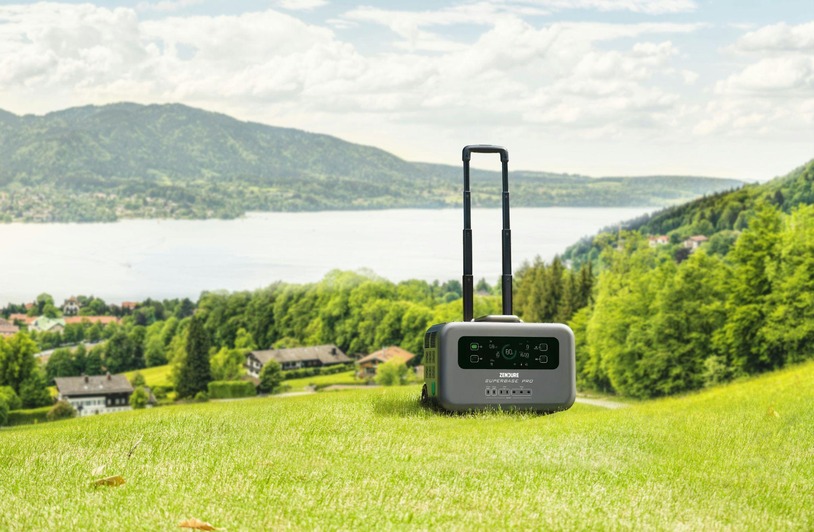
Photo: Zendure Power Station via Unsplash
CLICK HERE TO DONATE IN SUPPORT OF DCREPORT’S NONPROFIT MISSION
