


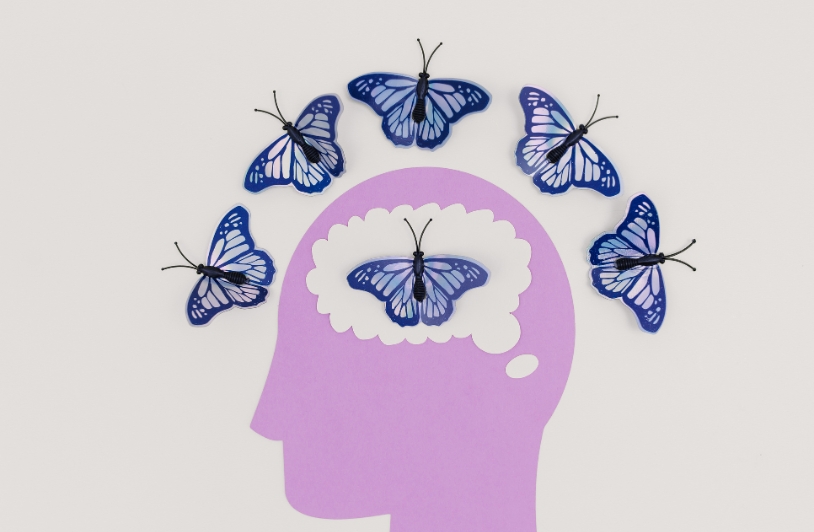
Modern legal cases often require more than traditional witness statements and basic evidence. Investigators now rely on new scientific methods to understand what people were thinking and feeling during key moments. These tools offer insight into human behavior that was once impossible to measure. They have also become essential resources for anyone seeking trusted defense against serious charges when the details of intent matter most.
The Rise of Behavioral Forensics
Behavioral forensics focuses on the examination of human actions and reactions. Experts study speech patterns, decision-making, and emotional cues. These behaviors help build a clearer picture of what happened during an incident. This field relies on psychology, neuroscience, and communication science.
It helps explain how stress or fear can influence actions. Investigators use these findings to understand why a person behaved a certain way. It adds context that can be essential in complex legal cases.
How Stress Patterns Reveal Hidden Information
Stress affects the body in predictable ways. Heart rate increases, breathing changes, and small facial movements appear. These shifts can indicate how a person felt during a specific event. Experts now use stress pattern analysis to study recordings, interviews, and digital data.
This information helps determine whether someone was confused, afraid, or under pressure. Stress responses can support or challenge claims made in a case. They provide an additional layer of insight beyond spoken words.
The Value of Voice and Speech Analysis
A person’s voice changes under stress. Tone, pace, and pitch may fluctuate. Even small pauses can reveal emotional strain. Behavioral analysts study these vocal cues to understand what the speaker may have been experiencing.
They compare standard speech patterns to those recorded during stressful events. These insights can help investigators assess credibility. They also help clarify whether someone’s statements align with their emotional state.
Using Technology to Examine Behavior
Modern tools enable experts to analyze behavior in ways previously impossible. High-resolution video, biometric sensors, and computer algorithms help identify subtle emotional reactions.
Software can detect microexpressions and posture shifts. These signs may indicate discomfort or uncertainty. Technology adds accuracy to behavioral forensics. It ensures findings are based on measurable information rather than guesswork.
How Behavior Helps Clarify Intent
Intent is often central to legal investigations. Understanding why someone acted a certain way can change the outcome of a case. Behavioral forensics helps determine whether actions were planned, impulsive, or influenced by stress.
It shows how the person responded in critical moments. This approach helps create a balanced view of the situation. It allows investigators to consider emotional and psychological factors alongside physical evidence.
The Role of Stress Analysis in High-Pressure Situations
People often behave differently in emergencies. Their reactions may seem unusual or suspicious without proper context. Stress analysis helps explain these behaviors. It shows how fear or shock can affect judgment.
This context prevents unfair assumptions. It supports a deeper understanding of the human response during difficult circumstances.
Behavioral Patterns in Interview Settings
Investigators now study how people respond during questioning. They observe body language, eye movement, and speech rhythm. These patterns help determine whether a person is confused, overwhelmed, or struggling to recall events.
They also help identify when someone may be withholding information. This approach improves interview accuracy. It reduces the chance of misinterpreting emotional reactions as dishonesty.
Digital Behavior and Legal Investigations
People leave digital traces that reveal habits and emotional patterns. Text messages, search history, and social media activity can show stress levels or decision-making styles.
Behavioral experts analyze these digital footprints. They look for shifts in behavior before and after significant events. This information becomes part of a broader investigation. It helps clarify timelines and emotional states.
Ethical Considerations and Accuracy
While behavioral forensics is powerful, it must be used carefully. Experts must avoid assumptions or overinterpretation. Proper training ensures accurate analysis. Clear guidelines help maintain fairness in investigations.
These standards protect the integrity of the process. They ensure that behavioral evidence is reliable and responsibly applied.
Why Behavioral Evidence Supports Stronger Investigations
Traditional evidence often tells only part of the story. Behavioral analysis fills in gaps by revealing emotional and psychological context. This helps create a more complete understanding of events.
It also allows investigators to reach more balanced conclusions. Behavioral evidence strengthens complex cases by connecting physical actions with human emotion.
Final Thoughts
Behavioral forensics and stress pattern analysis are reshaping how legal investigations are conducted. They offer insight into human behavior that was once difficult to measure. These tools help reveal intent and clarify actions during critical moments. They have also become necessary resources for those seeking trusted defense against serious charges when understanding behavior is essential to the truth.
FREEDOM OF THE PRESS NEEDS YOUR SUPPORT. WE NEED YOUR SUPPORT.
