


The U.S. Military Must Adapt to a New Era of Warfare
I’m no military expert so take this as an observation of what the news seems to indicate to a citizen news consumer if we project forward to the result.
The sequence of events that are happening: war changing to drones, the U.S. military being the opposite type, big ships, planes, and equipment that are easy targets for drone damage, the speed at which the military adapts and to what extent, all make it likely the U.S. can’t pretend to be almost impervious to damage. To continue that pretense will only make the black eyes more embarrassing. The U.S. military and the public need to switch to expecting black eyes while nevertheless prevailing.
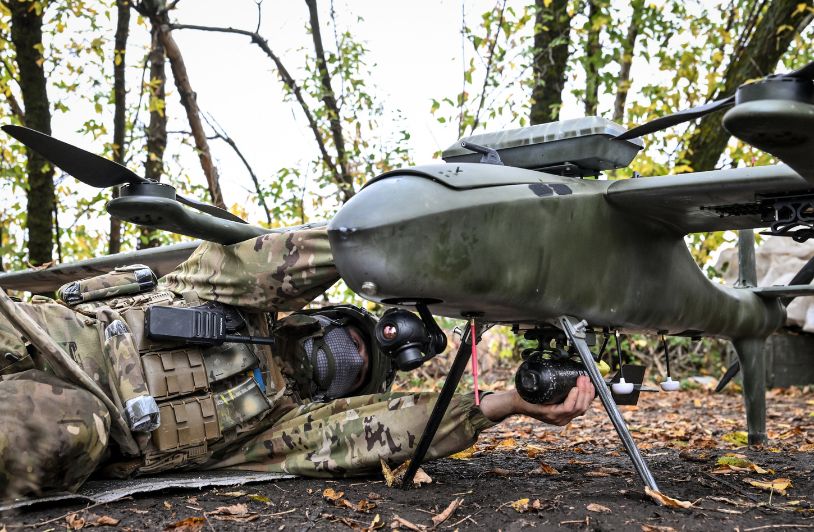
The change to drones has been going on for some time but especially in Ukraine. The usual flying drones but in a variety of sizes and ranges. Drone vehicles driving around to both attack enemies and pick up wounded soldiers. Sea faring drones to attack ships.
The U.S. military is focused on the big. The biggest war ships and fleets, the most expensive and sophisticated jets, fleets of military vehicles, and the big bases, here and overseas, to operate all of this.
One of the most surprising changes is the way Ukrainian sea drones have damaged major Russian ships. The change has shown up in drones from Iran and its allies attacking equipment and bases all over the Middle East. In a recent shocking incident the U.S. quickly flew a dozen bomber jets out of the British air base in England where they had been stationed because they had gotten word that Iran planned to strike the planes.
There are few details but it seems most likely it would have been a drone attack, and carried out by Iranians or supporters there in England. So presumably small drones with explosives. Such an attack might have seriously damaged a dozen expensive and important planes, or even if the damage had been minor it would have been embarrassing. What was shocking was that despite knowledge of an impending attack the U.S. and Britain did not feel confident they could protect the planes and fight off any drone attack. This at a major British air base. If they could have stopped all the drones and make such an attack seems pointless that would have been a minor victory. For the planes to flee was a minor embarrassment.
The U.S. is making a push to include drone warfare and drone defense in the military but that will take time. We’re not nearly as nimble as the Ukraine military surviving day-to-day by their wits. Even when the transition is in place we will no doubt have a mix of drones and the traditional big items, so still targets for attacks. Black eyes will happen, from Iran, possibly from Russia as they get more aggressive on Europe’s edges, and any others that we stir up confrontations with.
Not to overlook the obvious, the most important thing we can do for our defense is be smart about our relations with the world and either not create unnecessary conflicts or handle them in the most productive ways. Obviously not the case with our attack on Iran. Hmm. It really wasn’t “our” attack on Iran was it? The public wasn’t asked. Congress wasn’t asked. Allies weren’t asked. Trump did it in a way so he could take all the credit. Being another one of his mistakes born out of ignorance, arrogant, willful ignorance, he now deserves all the blame for all of the consequences. The economic problems here is one. But what probably will be the much bigger damage is the broad and long-term general destabilizing of what was a comparatively stable situation in the Middle East (not counting Gaza) that is likely to lead to surprising problems cropping up there for a long time to come.
The U.S. made an effort to hide or minimize the Iranian attacks on U.S. locations around the Middle East and on those of our allies. That’s a mistake. The U.S. will take hits. Trying to pretend we won’t, or hide them, only adds PR value to the opponents. What needs to happen is a change in expectations. The military needs to change expectations, but that needs to be conveyed to the public too, by military and political leaders generally. An expectation that we will take hits, but that we’ll survive those and prevail. With the hope that prevailing will happen where it’s needed, not where we create unnecessary conflicts.
Frequently Asked Questions About Drone Warfare
How is drone warfare changing modern military conflicts?
Drone warfare allows military forces to attack ships, aircraft, vehicles and bases using relatively inexpensive unmanned systems. Ukraine’s use of aerial, ground and maritime drones demonstrates how these technologies can challenge larger, more traditional military forces.
Why are drones a threat to the U.S. military?
The U.S. military relies heavily on expensive aircraft, large warships and established military installations. Drones can threaten these assets through relatively low-cost attacks, creating new challenges for detection, interception and defense.
How has Ukraine demonstrated the effectiveness of military drones?
Ukraine has deployed drones for reconnaissance, attacks on Russian military assets, supply deliveries and evacuating wounded soldiers. Its maritime drones have also demonstrated the vulnerability of larger naval vessels.
Is the U.S. military adapting to drone warfare?
The Pentagon is expanding its emphasis on unmanned systems and counter-drone defenses. However, integrating these technologies into a military built around large, sophisticated platforms presents operational and strategic challenges.
How could drone warfare change Americans’ expectations about military conflict?
As drones make military equipment and installations more vulnerable, Americans may need to accept that even a technologically superior military cannot prevent every attack. Effective leadership requires acknowledging potential setbacks while maintaining the ability to achieve strategic objectives.
“FREEDOM OF THE PRESS IS NOT JUST IMPORTANT TO DEMOCRACY, IT IS DEMOCRACY.” – Walter Cronkite. CLICK HERE to donate in support of our free and independent voice.
