


In today’s healthcare environment, every purchasing decision matters. Stretchers are used daily across hospitals, surgical centers, and emergency departments, yet many facilities still default to buying new units when replacements are needed. At the same time, new stretchers may seem like the safest choice, but refurbished stretchers are increasingly proving to be the more practical, cost-effective, and reliable option. When refurbished professionally, these units deliver the same performance standards while offering meaningful financial and operational advantages that modern healthcare facilities cannot ignore.
Lower Costs Without Sacrificing Quality
One of the most compelling reasons to choose refurbished stretchers is cost efficiency. New stretchers often come with high upfront costs that quickly add up when multiple units are required. Refurbished stretchers, by contrast, provide significant savings while maintaining the same essential functionality. During refurbishment, worn components are replaced, mechanical systems are recalibrated, and surfaces are restored to meet strict healthcare requirements. What many decision-makers overlook is that stretchers are engineered for long service lives. The core frame and structure are built to withstand years of use, making them ideal candidates for refurbishment. By restoring what already works and upgrading what does not, facilities gain dependable equipment without paying a premium for brand-new models that offer little additional value in daily use.
Reliable Performance That Meets Clinical Demands
Refurbished does not mean outdated or unreliable. Professionally refurbished stretchers go through detailed inspections and performance testing to ensure they function safely in demanding clinical environments. Wheels, brakes, hydraulic systems, and patient support surfaces are all addressed to guarantee smooth operation and stability. For staff, this reliability translates into better workflow and fewer disruptions. Familiar stretcher designs reduce the learning curve, enabling nurses and technicians to work efficiently without having to adapt to unfamiliar equipment. For patients, refurbished stretchers provide the same comfort, support, and safety they would expect from new units, reinforcing trust in the care environment.
Sustainability and Faster Availability
Sustainability has become a growing priority in healthcare, and refurbished stretchers support this goal by extending the lifecycle of existing equipment. Choosing refurbishment reduces waste, conserves raw materials, and lowers the environmental impact associated with manufacturing and transporting new products. This approach aligns with responsible healthcare practices while still meeting operational needs. Another key advantage is availability. New stretchers often involve long lead times due to manufacturing schedules and supply chain delays. Refurbished stretchers are typically available much faster, helping facilities respond quickly to growth, equipment shortages, or unexpected increases in patient volume. Faster access means less downtime and better continuity of care.
Still buying new stretchers simply because it has always been done that way can lead to unnecessary costs and missed opportunities. Refurbished stretchers provide a smarter, more strategic solution by delivering reliable performance, supporting sustainability goals, and preserving valuable healthcare budgets without compromising patient comfort or staff efficiency. As facilities continue to look for ways to operate more responsibly and efficiently, refurbishment stands out as a practical choice that aligns with modern healthcare demands. For organizations ready to rethink their equipment strategy and maximize long-term value, visit CeviMed for trusted refurbished medical solutions.
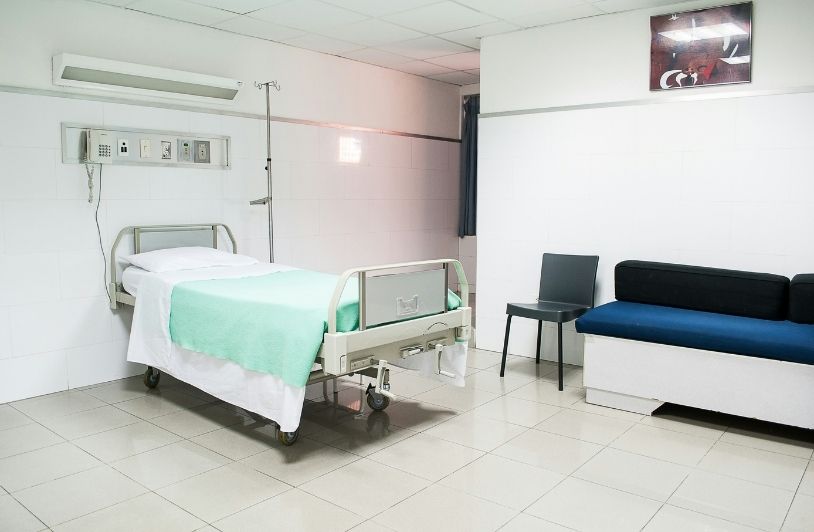
Photo: Martha Dominguez de Gouveia via Unsplash.
CLICK HERE TO DONATE IN SUPPORT OF DCREPORT’S NONPROFIT NEWSROOM
