


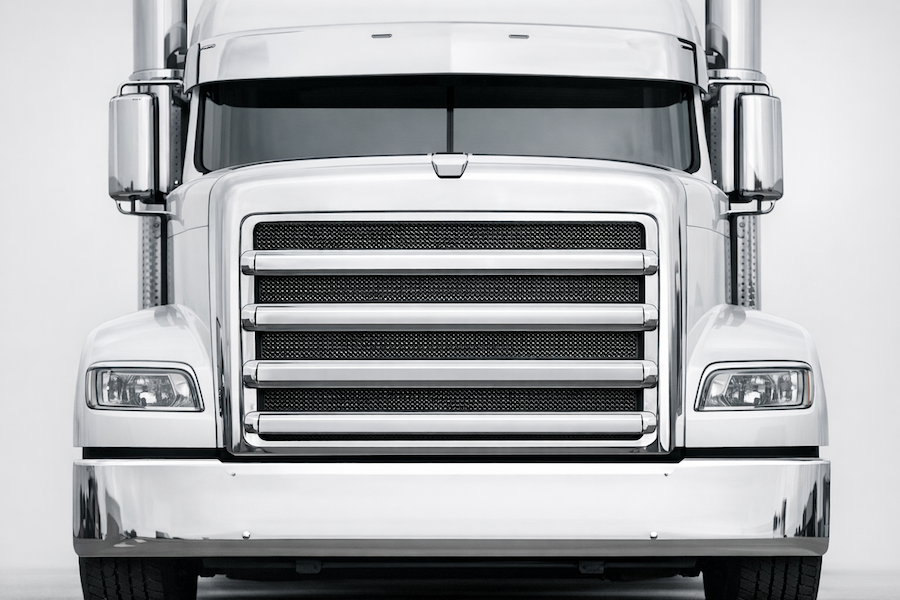
Trucking safety standards are crucial for ensuring public safety and maintaining the efficiency of the trucking industry. In Washington DC, these regulations are pivotal in reducing truck accidents and protecting the community. Compliance with these safety measures is essential for both legal and operational reasons.
In Washington DC, trucking safety standards serve as a backbone for both public safety and the commercial trucks sector. These regulations not only aim to minimize the causes of truck accidents but also play a critical role in safeguarding the lives of truck drivers and other road users. Additionally, strict safety regulations further reinforce accountability across all stakeholders. By implementing strict safety protocols, the regulatory bodies intend to create a safer environment on the roads. As you delve into these safety requirements, it becomes evident how they shape the trucking operations within the city. Washington DC truck accident lawyer is a crucial resource for navigating these complex regulations, especially when incidents occur.
Understanding liability in truck accidents
Liability in a Washington DC truck accident often involves multiple parties, including the truck driver, the trucking company, and sometimes even the manufacturer of the truck or its parts. Determining who is at fault requires a thorough investigation of the accident scene, vehicle conditions, and driver actions. Legal frameworks in Washington D.C. are designed to assess these factors comprehensively, ensuring that the responsible parties are held accountable.
Insurance companies play a significant role in the liability process, as they evaluate claims and determine compensation based on the extent of damages and injuries. Trucking companies are required to carry substantial insurance policies to cover potential liabilities. This ensures that victims of truck accidents receive adequate compensation for their losses, including medical expenses, lost wages, and other damages.
Current trucking regulations in Washington D.C.
The specific safety regulations governing commercial trucks in Washington D.C. are comprehensive and multifaceted. These rules encompass various aspects of trucking operations, including vehicle maintenance, driver qualifications, and operational limits. Regular inspections ensure that trucks meet safety standards, thereby reducing the risk of mechanical failures that can lead to truck accidents. Moreover, strict guidelines on driving hours are implemented to prevent fatigue-related mishaps among truck drivers. The focus is on mitigating potential hazards before they culminate in accidents.
Additionally, mandatory training programs for truck drivers are an integral part of these regulations. Each truck driver has a responsibility to adhere to strict guidelines designed to reduce errors and boost overall road safety. They cover essential skills such as defensive driving techniques and emergency response protocols. By emphasizing continuous education and skill enhancement, these measures ensure that drivers remain competent and prepared for unforeseen circumstances on the road. Consequently, compliance with these safety regulations not only enhances road safety but also contributes to smoother traffic flow and reduced congestion.
Compliance requirements for trucking companies
For trucking companies operating in Washington D.C., adherence to these safety regulations is non-negotiable. Companies must ensure their fleet is routinely serviced and compliant with emission standards to avoid contributing to environmental pollution. Regular audits by regulatory authorities assess compliance with these standards, ensuring that only safe vehicles are permitted on the roads. Furthermore, maintaining accurate records of vehicle maintenance and driver hours is critical for demonstrating compliance during inspections.
Hiring qualified truck drivers is another compliance requirement that companies must prioritize. It involves thorough background checks and ensuring that all drivers possess valid commercial driving licenses. Implementing internal policies that align with federal and local regulations helps companies navigate the complexities of compliance effectively. Ultimately, adhering to these stringent requirements not only averts legal consequences but also enhances the company’s reputation within the industry.
Common challenges in meeting compliance standards
Navigating through compliance can be challenging due to several factors that companies face regularly. One significant challenge is keeping up with evolving rules that require constant updates to company policies and procedures. As new technologies emerge, integrating them into existing systems can be both costly and time-consuming. The high turnover rate among truck drivers also poses a challenge, as it necessitates ongoing recruitment and training efforts.
Moreover, smaller companies may struggle with limited resources to implement comprehensive compliance programs compared to larger counterparts. Balancing operational demands with strict adherence to regulations requires strategic planning and resource allocation. Identifying the causes of truck accidents remains a vital component of reducing collision rates and ensuring public safety.
IF YOU VALUE YOUR RIGHTS, PLEASE CONSIDER A DONATION TO OUR NONPROFIT NEWSROOM TODAY
