


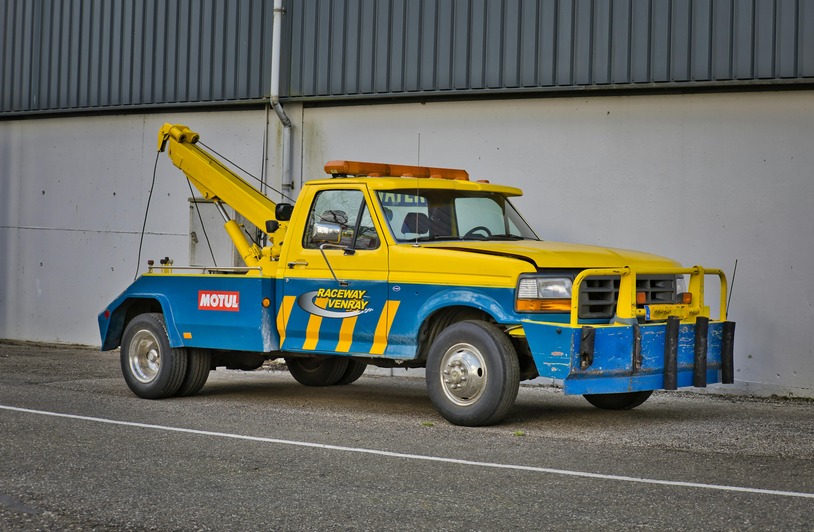
Roadside assistance vehicles operate in high risk zones where visibility is often compromised by traffic or lighting. These heavy trucks are frequently stationary while surrounding cars move at high speeds, creating a dangerous disparity in momentum. The margin for error is incredibly small.
Every year, motorists fail to account for the presence of these service crews on the shoulder. Whether due to distracted driving or poor judgment, the resulting impacts are catastrophic. These incidents happen in the blink of an eye, leaving victims with life altering injuries and significant financial burdens.
When a crash involving a tow truck or service vehicle occurs, the legal implications are highly specific. Many people find it helpful to consult with a Dallas truck accident lawyer to navigate the complex insurance layers and safety regulations that apply to these commercial operators.
The Impact of Move Over Statutes on Driver Liability
Most states have enacted specific safety laws that require drivers to vacate the lane closest to any stationary vehicle with flashing lights. These rules are designed to create a buffer zone for workers who are exposed to the flow of traffic. Ignoring these laws is a serious offense.
If a driver stays in the lane and strikes a service truck, their failure to move over is a primary indicator of negligence. Evidence from highway cameras or witness accounts can quickly establish that the driver had the opportunity to switch lanes. This violation simplifies the recovery process.
These statutes apply to a wide range of vehicles, including tow trucks and utility vans. Respecting the flashing amber or blue lights is a fundamental duty of every person on the road. When this duty is ignored, the law provides a clear path for holding the driver accountable.
Operator Negligence and Failures in Vehicle Recovery
Service operators also have a professional responsibility to follow strict safety protocols during a recovery. This includes using proper signaling and setting up reflective cones to warn oncoming traffic. Failing to provide adequate warning is a form of negligence that puts everyone at risk.
The mechanical process of towing also requires precision to prevent a secondary crash. If a car is not properly hitched, it can break loose and become a projectile on the highway. Using worn out straps or incorrect attachment points is a sign of poor training.
Operators must also be extremely cautious when merging back into active traffic lanes. Their heavy vehicles accelerate slowly and have large blind spots. A sudden move without checking for clearance can force other drivers to swerve, leading to a multi vehicle pileup in seconds.
Sorting Through Complex Insurance and Employment Status
The business structure of a roadside assistance company often determines which insurance policy covers a crash. Some tow trucks are part of large national networks with substantial corporate coverage. Others are operated by independent contractors who may have much smaller individual liability limits.
Large corporations frequently attempt to distance themselves from an accident by claiming the driver was a third party agent. This legal tactic is used to shield the parent company from direct financial responsibility. Uncovering the true nature of the employment relationship is vital.
Determining who is actually responsible requires a thorough review of contracts and payment records. A detailed investigation ensures that the claim is filed against the right entity. This step is essential for securing a settlement that covers all current and future medical expenses.
Investigating Mechanical Integrity and Professional Training
Commercial service vehicles must undergo rigorous inspections to ensure their hydraulics and braking systems are in top condition. A failure in a tow arm or a winch can lead to a loss of control during a vehicle recovery. Maintenance logs are critical pieces of evidence.
Proper training is equally important for staff who must operate heavy machinery in high stress environments. Companies have a duty to ensure their employees understand how to handle different vehicle weights and weather conditions. A lack of preparation leads to preventable and tragic errors.
If a company sends an untrained technician into a dangerous situation, they are liable for the outcome. Negligent hiring practices and a failure to supervise staff are serious issues in the industry. Proving these systemic failures is the key to achieving a fair and just resolution.
Conclusion
The safety of everyone on the highway depends on a shared commitment to caution and awareness. Motorists must respect the space needed by roadside service crews, and operators must follow every protocol. When these standards are ignored, the consequences for victims are often devastating.
Holding negligent parties accountable is the most effective way to drive meaningful improvements in industry safety. It ensures that corporations prioritize the well being of the public over their own bottom line. Legal action provides the necessary leverage to enforce these high standards.
Achieving a successful outcome provides a sense of closure and the financial support needed for a full recovery. By focusing on the facts and the law, victims can overcome the hurdles of a complex claim. Accountability makes the roads a safer environment for everyone.
photo: Wolfgang Vrede via Pexels
CLICK HERE TO DONATE IN SUPPORT OF DCREPORT’S NONPROFIT MISSION
