


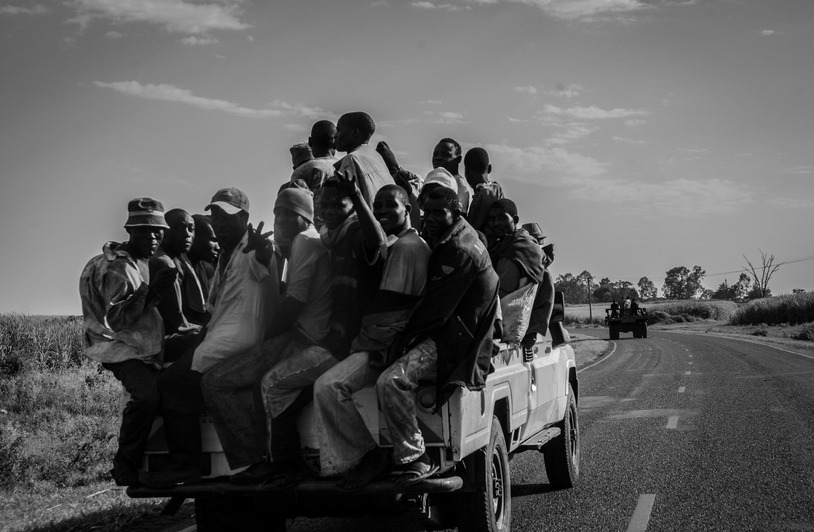
In the US, riding in the bed of a pickup truck is not governed by one nationwide law. Instead, each state creates its own rules, meaning some states allow truck bed passengers in certain situations, while others restrict or prohibit the practice on public roads.
The legality often depends on factors such as the state, passenger age, road type, and specific circumstances. This article explains what the law says about riding in a pickup truck bed, common exceptions, possible penalties, and important safety considerations drivers should know.
Are Pickup Truck Bed Passengers Allowed Under Federal Law?
There is no federal law that directly regulates whether it is legal to ride in the bed of a truck . Instead, each state establishes its own traffic laws, so the rules vary by state.
Some states prohibit people from riding in the bed of a truck on public roads. Others allow it only under specific circumstances, such as at low speeds, on private property, or during certain authorized events.
Common Exceptions and Permitted Situations
Many states recognize limited exceptions for specific situations. These may include agricultural activities, emergency responses, parades, or work-related transportation in which riding in the bed serves a practical purpose.
Common exceptions can include:
- Travel on private roads or property.
- Use during permitted community events.
- Certain farming or business activities.
- Situations involving emergencies or official duties.
Even when an exception exists, drivers may still need to follow additional safety rules. A legal exception does not automatically make every passenger situation safe or lawful.
Age and Restraint Rules
Age restrictions are one of the most common limits placed on pickup truck bed passengers. Many states apply stricter rules to children because younger passengers face greater risks during sudden stops, crashes, or vehicle rollovers.
Some laws set minimum ages, while others require children to remain in passenger seats with proper restraints. Parents and drivers should check the specific requirements in the state where the vehicle is operated.
Penalties Drivers Can Face
Violating pickup truck bed laws may lead to traffic citations , fines, or other penalties. The consequences vary based on state statutes, the passenger’s age, and whether the violation contributes to a dangerous situation.
Drivers may also face increased liability if a passenger is injured. Courts may consider whether the driver ignored safety requirements or created an unreasonable risk.
What Are the Safety Risks of Riding in a Pickup Truck Bed?
Legal permission does not remove the dangers of riding in an open truck bed. The National Highway Traffic Safety Administration (NHTSA) has warned that unrestrained occupants in vehicle areas not designed for passengers face a serious risk of injury during collisions.
Truck beds lack seat belts, protective structures, and airbags. Passengers can be thrown from the vehicle or struck by objects, especially during sudden movements or crashes. State agencies publish guidance that helps clarify passenger restrictions and safety obligations.
What Should Drivers Consider Before Allowing Passengers
Drivers should review applicable state rules and consider safety factors before carrying anyone in a pickup bed.
Important considerations include:
- Check the state law that applies to the trip.
- Confirm whether age limits or exceptions affect passengers.
- Avoid carrying people in unsafe traffic conditions.
- Consider safer seating options inside the vehicle.
Ignoring pickup truck bed laws can create avoidable legal and safety problems. Understanding the rules before a trip helps drivers avoid violations and reduce risks for everyone involved. Drivers who ignore these requirements may also face serious consequences when passengers suffer injuries in preventable crashes.
Key Takeaways
- Individual states set pickup truck bed passenger laws.
- Federal law does not provide one nationwide rule.
- Some states ban the practice on public roads .
- Exceptions may apply for work, emergencies, or special events.
- Children often face stricter restrictions than adults.
- Fines or legal repercussions may follow violations.
CLICK HERE TO DONATE IN SUPPORT OF DCREPORT’S NONPROFIT MISSION
