


Businesses serving customers in the United Arab Emirates need more than a website that simply stays online. Pages must load quickly, applications must respond consistently, and infrastructure must remain stable during advertising campaigns, product launches, seasonal sales, and other periods of increased demand. When shared hosting can no longer provide predictable performance or sufficient control, moving to a UAE VPS server becomes a practical next step.
A virtual private server gives a project an isolated environment with allocated computing resources. The business can choose the operating system, install the required software, configure access rules, monitor usage, and resize the server as the workload changes. This makes VPS hosting suitable for online stores, corporate websites, SaaS products, APIs, development environments, and internal business services.
For projects focused on users in Dubai, Abu Dhabi, and the wider Gulf region, server location matters as much as the configuration itself. Hosting an application closer to its audience can reduce network distance, improve response times, and create a more consistent experience for regional users.
Why Server Location Matters
Every request between a user and a server passes through a network route. The greater the physical and network distance, the longer the response may take. A website hosted far from its primary audience can still work, but customers may notice slower page generation or delayed API responses.
A UAE VPS server places infrastructure in Dubai instead of relying on a remote location in Europe, North America, or Asia. This can be valuable for e-commerce platforms, booking services, fintech applications, media projects, business portals, and other systems used mainly by customers in the UAE or nearby countries.
Local hosting is not a replacement for application optimization. Heavy scripts, inefficient database queries, oversized images, and unnecessary plugins can slow down any website. However, selecting an appropriate location removes one source of avoidable delay and gives the technical team a better foundation for performance improvements.
When Shared Hosting Is No Longer Enough
Shared hosting is often a convenient starting point for a small website. The provider manages most server-level tasks, and the customer does not need to configure the operating system. This simplicity comes with limitations.
Several websites may use the same pool of resources, while access to system settings is restricted. The project may be unable to install specific software, change database parameters, run persistent background processes, or configure custom security tools.
These restrictions become more visible as the project grows. An online store may need additional workers to process orders. A SaaS platform may require queues, scheduled jobs, containers, and monitoring agents. A corporate application may need stricter access rules than standard hosting can provide.
A UAE VPS server gives administrators full access to the virtual environment. They can configure the server around the application instead of adapting the application to the limits of a shared platform.
Preparing for Traffic Peaks
Traffic is rarely constant. Retailers experience seasonal sales, travel services receive more bookings during holidays, and marketing campaigns may bring thousands of visitors within a short period.
The first step in preparing for a peak is understanding the current workload. The team should review traffic analytics, CPU utilization, memory consumption, disk activity, database response time, and application errors. Historical data from previous campaigns can help estimate how much demand may increase.
Load testing can simulate multiple customers opening pages, searching a catalog, logging in, submitting forms, or completing purchases at the same time. The goal is not only to determine when the server fails, but also to identify which component becomes the first bottleneck.
A UAE VPS server can be resized when the project needs more CPU, RAM, or storage. These changes should be made before the campaign begins, leaving enough time to test the updated configuration under realistic conditions.
Scaling the Infrastructure
Vertical scaling increases the resources assigned to an existing virtual machine. It is usually the simplest option when a project needs additional capacity quickly. More processor cores can help with concurrent requests, while additional RAM can support databases, application processes, and caching.
Horizontal scaling adds more virtual machines and distributes the workload between them. Several web servers can operate behind a load balancer, while databases, caches, and background workers run separately.
A smaller project may begin with one UAE VPS server and scale vertically as demand grows. Later, the architecture can be divided into several components. Horizontal scaling requires more preparation because sessions, files, and database connections must work correctly across multiple servers.
Optimize Before Adding Resources
More powerful infrastructure cannot fully compensate for an inefficient application. Before increasing the VPS configuration, the team should check whether the existing resources are being used effectively.
Frontend optimization may include compressing images, reducing unnecessary JavaScript, and enabling browser caching. Backend work may involve improving slow database queries, adding indexes, limiting excessive logging, and removing unnecessary operations.
Caching can reduce repeated work. Frequently requested public pages and application data can be stored temporarily instead of being generated again for every visitor. Personalized areas, shopping carts, payment pages, and account information should be excluded from inappropriate caching rules.
Administrators can also configure the web server, database, process manager, PHP workers, container limits, and other components based on real workload data. This level of control is one of the main advantages of a UAE VPS server over basic hosting.
CDN and External Storage
The main server does not need to deliver every file directly. Product images, videos, stylesheets, scripts, and documents can create significant network and disk load.
A content delivery network can cache static resources and serve them from distributed nodes. Object storage can keep images, archives, backups, and exports outside the local system disk.
Separating files from the application simplifies scaling because additional virtual machines can access the same storage. The UAE VPS server can then focus on authentication, database queries, checkout processes, API requests, and business logic.
Monitoring and Alerts
Monitoring should be configured before the project experiences a serious problem. Basic metrics include CPU load, RAM usage, free disk space, network traffic, and the status of critical services.
Application monitoring provides another layer of visibility. A virtual machine may be running normally while customers are unable to log in, submit an order, or complete a payment. External checks can verify whether important pages and customer actions work correctly.
If the UAE VPS server regularly approaches its resource limits, the business can upgrade it before performance deteriorates. If most resources remain unused, the configuration may be larger than necessary.
Backups and Recovery
Backups protect a project only when they are complete, stored safely, and ready to be restored. Database copies, application files, configuration files, access settings, and certificates may all be required for recovery.
Copies should not be stored only on the same virtual machine as the production environment. If the server becomes unavailable, local backups may also be inaccessible. The team should test restoration in a separate environment and document the required steps.
Before a major campaign, everyone involved should know who initiates recovery, where backups are located, and how long the procedure is expected to take.
Security Responsibilities
A VPS offers more control than shared hosting, but server administration must be taken seriously. The operating system and installed software should be updated, unused services should be disabled, and administrative access should be limited.
Firewall rules can restrict access to databases and management interfaces. SSH keys can protect remote access, while two-factor authentication can secure the provider control panel. Logs should be monitored for repeated login attempts and unusual traffic.
Security rules should be tested before a high-traffic event. An overly strict configuration can block customers, external integrations, payment callbacks, or search engine crawlers.
Choosing the Right Configuration
The correct configuration depends on how the application uses resources. CPU-intensive services need sufficient processing capacity, while database-heavy applications often benefit from additional RAM and fast storage. Projects serving large files may need more disk space and network bandwidth.
Linux is commonly used for web servers, containers, databases, and development tools. Windows may be required for Microsoft-based applications or remote desktop environments.
The team should avoid selecting a server only because it is the cheapest option. An undersized environment may become unstable as soon as traffic increases, while excessive capacity creates unnecessary costs.
A reasonable starting configuration should support the current workload and include a resource reserve. After deployment, monitoring data can show whether the UAE VPS server should be expanded or reduced.
UAE VPS Hosting in Dubai
Serverspace deploys UAE cloud servers in the Equinix DX1 data center in Dubai. The facility is designed to Tier III standards and hosts the UAE Internet Exchange, making it an important connectivity point for the Middle East. Users can configure CPU, RAM, SSD, and bandwidth parameters and select Linux, Windows, or FreeBSD templates. The service also provides control-panel management, 24/7 support, billing in ten-minute intervals, and unlimited traffic.
These features allow businesses to create infrastructure for a long-term production system or a temporary project without being tied to a fixed standard plan. The environment can be adapted for websites, APIs, e-commerce backends, development systems, databases, and corporate services.
Conclusion
A UAE VPS server is useful when a business needs regional infrastructure, allocated virtual resources, administrative control, and room for future growth. It provides a stronger foundation than shared hosting for projects that depend on stable performance and custom server configuration.
The server location can improve the experience of users in the UAE and neighboring markets, while flexible resources make it easier to prepare for traffic peaks. Monitoring, backups, security controls, caching, and application optimization remain essential regardless of the selected configuration.
The best results come from treating VPS hosting as part of a complete infrastructure strategy. The business should understand its workload, test expected traffic, prepare a recovery plan, and scale resources before customers notice a problem. With this preparation, a UAE VPS server can support both everyday operations and the periods when demand is at its highest.
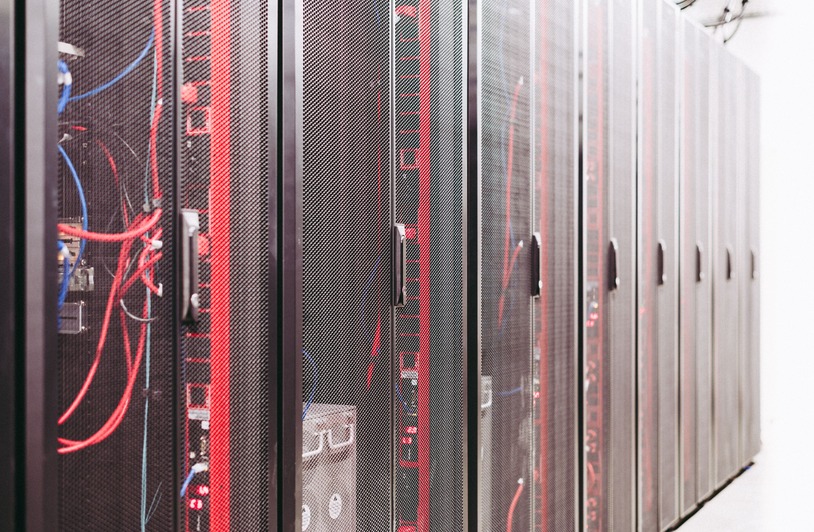
Photo: Brett Sayles via Pexels
CLICK HERE TO DONATE IN SUPPORT OF DCREPORT’S NONPROFIT MISSION
