


Dessert-named cannabis strains are everywhere right now, but most lean on flavor alone to stand out. Blueberry Lemon Bars takes a different approach, building its appeal on a genetic pairing that traces back to two of the most respected, distinctly different lineages in modern cannabis breeding rather than a single trendy parent strain.
One side of its family tree goes back to the late 1970s and a breeder who helped define what a purple, berry-flavored strain even means. The other traces to a 2014 Cannabis Cup-winning hybrid built around sharp citrus and fuel notes. That combination of old-school berry genetics and modern diesel-citrus breeding is a big part of why Blueberry Lemon Bars has become a popular option rather than just another fruit-named hybrid competing for the same shelf space.
Here is what actually makes Blueberry Lemon Bars stand out, from its genetic lineage to the specific terpene science behind its flavor and effects.
1. It’s Genetics Blend Two Very Different Cannabis Eras Into One Hybrid
Blueberry Lemon Bars consist of a cross between Blueberry and Lemon Tree. The strain may also have Sunset Sherbet and Zkittlez influences in certain batches. The two main parents in this cross have origins from very distinct eras in the history of cannabis cultivation.
Specifically, Blueberry goes back to the end of the 1970s, when breeder DJ Short crossed Highland Thai, Purple Thai, and Afghani strains and stabilized one of the first purple, berry-tasting strains. This particular line was the ancestor of several hundred strains, making it one of the most influential genetic inputs in cannabis breeding.
The Lemon Tree strain comes from a much more recent era. It was bred around 2014 by an underground breeding team and resulted from the crossing of Lemon Skunk and Sour Diesel. The strain won the Best Hybrid award at this year’s Seattle Cannabis Cup for an exceptional terpene profile and an intense lemon-and-diesel aroma. Being such a famous award-winner, Lemon Tree became quite a popular parent strain for other modern hybrids with a distinct citrus and fuel-like terpene spectrum.
Combining a landrace strain of 1970s origin with an award-winning diesel-citrus strain of the 2010s is a very rare combination, which gives Blueberry Lemon bars bulk hybrid some flavor characteristics not possible to get from single-era strains. If buyers are looking for Blueberry Lemon Bars bulk hybrid, they should note that the base cross and strains influenced by Sunset Sherbet and Zkittlez differ greatly in taste and effect.
2. Five-Terpene Profile Delivers A Genuinely Layered Dessert Flavor
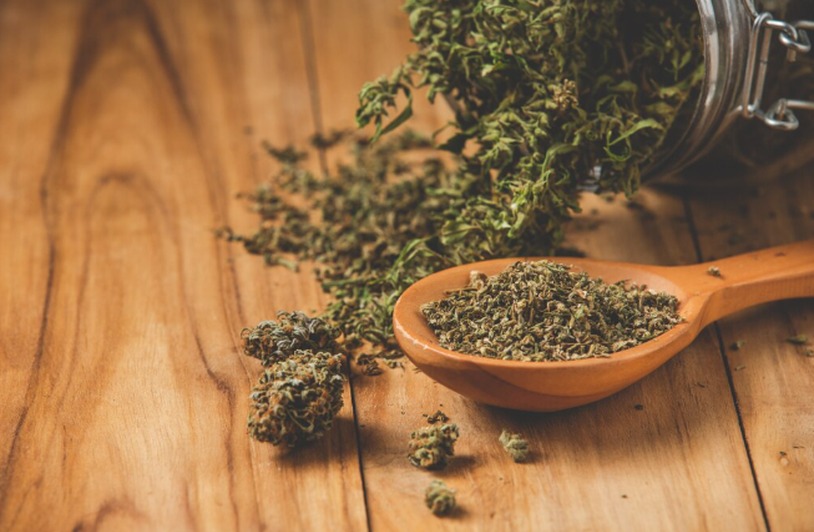
The majority of strains with dessert-inspired flavors rely on one or two terpenes to deliver their flavor profiles. In Blueberry Lemon Bars, five significant terpenes work together, creating layers of flavor through their synergy. They include Limonene with its citrusy and uplifting notes; myrcene with its earthy, sedative undertones associated with berry flavour; caryophyllene providing spiciness; linalool delivering a floral, creamy element; and pinene responsible for the sharp, herbaceous flavour. This blend results in tart lemon zest, sweet blueberry, and creamy dessert flavours.
This complexity is what makes this strain more than just a lemon or berry strain, given the terpenes involved in creating its taste.
3. Citrus-Forward Limonene Content Has Real Mood-Related Science Behind It
Limonene is not only responsible for the distinctive citrusy note of the strain. According to a 2024 study conducted by Johns Hopkins Medicine , inhaled d-Limonene helped alleviate anxiety and paranoia symptoms caused by THC among healthy adults who inhaled THC along with Limonene without affecting any of the desirable effects. This discovery provides an opportunity to hypothesise how Limonene might contribute to the balanced effect of the strain, since it can be associated with a more manageable high compared with other strains.
In the case of Blueberry Lemon Bars, which include Lemon Tree among its parents, this information is quite important to consider.
4. Caryophyllene Content Adds A Documented Anti-Inflammatory Edge
What sets caryophyllene apart from almost all other terpenes is a scientific discovery made back in 2008 : caryophyllene interacts with the CB2 cannabinoid receptor to activate it, making it a true dietary cannabinoid rather than merely aromatic. That CB2 interaction results in an anti-inflammatory action that does not depend on THC.
Caryophyllene adds a spicy note to the Blueberry Lemon Bars blend, alongside the sweet notes from citrus and berries. Still, because it interacts with the endocannabinoid system, this spiciness is not just a decorative feature.
5. Balanced Effects Make It Versatile Across Times Of Day
Blueberry Lemon Bars is generally classified as a balanced hybrid, and its reported effects closely reflect that classification: an uplifted, happy mental state paired with a relaxed, soothing bodily sensation, along with gentle creativity and stress relief. Most batches test between 20 and 30 percent THCA, with many averaging 22 to 28 percent. However, exact figures vary by batch and should be confirmed through a current certificate of analysis rather than assumed from the strain name.
That balance is a large part of the strain’s practical appeal. Rather than being suited narrowly to either daytime or nighttime use, it works reasonably well in both, with only mild sedation at higher doses. That versatility is one of the more commonly cited reasons buyers return to it rather than strains that lean more heavily toward one end of the spectrum, since a single strain that reasonably covers both a creative afternoon session and a relaxed evening wind-down simplifies things for anyone who does not want to keep multiple different strains on hand for different occasions.
Conclusion
Blueberry Lemon Bars earns its popularity through a combination that goes beyond a catchy dessert name: a genetic pairing that bridges two distinct eras of cannabis breeding, a five-terpene profile that delivers genuinely layered flavor, and terpene chemistry backed by real research on both its mood-related and anti-inflammatory potential.
For buyers comparing dessert-inspired hybrids, that depth of both history and documented chemistry is what actually separates it from strains that rely on flavor alone.
CLICK HERE TO DONATE IN SUPPORT OF DCREPORT’S NONPROFIT MISSION
