


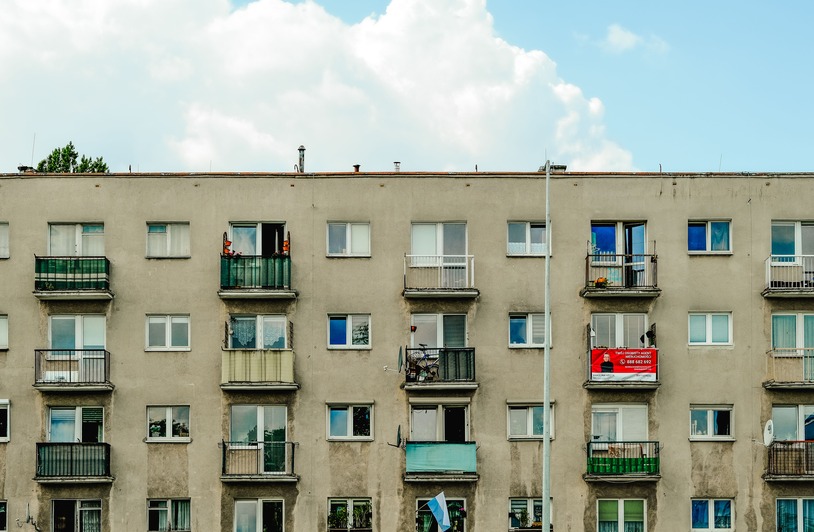
These days, rents are constantly rising, but your salary may not keep up. Therefore, you may find yourself priced out of a good rental unit. Rent ceilings are designed to solve that problem by setting a limit on how much a landlord can charge for rent and keeping rental units reasonably priced for renters.
There are many questions about how rent ceilings work in the real world. What do they protect? What do they not protect? If you are trying to keep your rent from increasing at a faster rate than your income without worrying about sudden increases in your rent, then read on. Read this article, as we will explain how you, as a renter, can benefit from a rent ceiling.
What is Rent Ceiling?
A rent ceiling is a legal limit on the rents charged for any property, set by the government to prevent them from increasing to exorbitant levels. This is particularly true in areas with high housing demand. In practical terms, this means that your landlord cannot charge you anything more than this maximum amount for the rental unit, regardless of how much the rental market is “hot” at that time. That cap may also control how much rent can increase over time, depending on the policy in place.
The goal of rent ceilings is to maintain housing affordability and reduce the pressure associated with sudden rent increases. When there’s a ceiling, you get more predictability. You can plan your finances without worrying that your rent will jump overnight. Rent ceilings do not necessarily apply to all rental properties, as they apply only to certain types of rentals.
If you familiarize yourself with how rent ceilings work, you will better understand your rights, what to expect, and the level of protection you have when rent increases. You can also work with a Washington DC rental manager to understand more about local rent laws and rights.
How Rent Ceilings Protect Tenants
-
Preventing Sudden Rent Increase
When there’s a rent ceiling in place, landlords cannot increase rents in response to market fluctuations or other factors. Tenants can create budgets, manage finances, and make long-term plans because of a rent ceiling, as they don’t have to worry about losing their apartments due to rent increases. Since they can plan ahead rather than react when rent goes up, tenants will also be able to live in the same apartments.
-
Promoting Housing Stability
Rent ceilings set limits on the amount a tenant must pay and alleviate anxiety caused by the potential for rent increases that may force a tenant out of their home.
Not having to worry about relocation during your lease period allows you to build a schedule and establish a community. Rent ceilings remove some of the uncertainties that may prevent tenants from staying in the same area. When demand for rental properties increases due to a lack of rental housing or rapidly rising rents, the likelihood of someone being forced out is lower with rent ceilings in place.
-
Real-World Impacts on Tenants
A rent cap can help stabilize your rent payments. When rent levels are capped, you can pay your monthly rent on time without worrying about the amount you will have to pay when your lease comes up for renewal. Also, you will know well in advance what your maximum possible rent will be, and you can plan for just that amount.
In addition to providing you with better long-term stability and fewer moves in your housing situation, having a consistent environment to live in can do wonders for you as a person. Many people do not understand how much more money they will have after paying lower rent versus paying higher rent. Rent ceilings can reduce your cost of living, let you breathe a little easier, and make it easier to make smart financial decisions without feeling pressured.
Importance of Balance Between Tenant Protection and Sustainable Property Management
It cannot be overstated how important it is to strike a proper balance between protecting your tenant and ensuring the property remains sustainable. If strong controls are placed on rent, it will keep rents affordable and keep tenants in their homes. However, if they are too strict, they may discourage you from maintaining the property and from making new housing investments.
As a result, the quality of the rental stock will decline over time, or fewer and fewer options will be available to rent. Conversely, if there are minimal to no protections in place for renters, then you are left exposed to huge rent increases at any time, along with uncertainty and insecurity about how long you will be able to stay in your current rental unit.
By achieving the ideal balance between protecting tenants and having sufficient incentives to maintain and upgrade your rental units, the entire rental market works. This allows your tenant to rent at a fair price and gives them the confidence to stay in the place where their life is based. It also provides enough incentive to maintain and upgrade your rental units for a better quality of life, while giving you access to more rental options and a rental market that is not ‘stacked against’ you.
Conclusion
Rent control does not solve every problem associated with high rents, but it does allow you to set reasonable expectations about how much you will pay each month, making budgeting easier. If rent control measures are implemented effectively, they will create a stable and affordable housing market, thereby allowing you to plan your future with greater security.
By understanding how the rent-controlled housing market operates relative to your region, you will be able to understand your rights and responsibilities as a tenant. With this knowledge, you will be able to make educated decisions about where you will live and how you will live there.
Photo: Egor Komarov via Pexels
CLICK HERE TO DONATE IN SUPPORT OF DCREPORT’S NONPROFIT MISSION
