

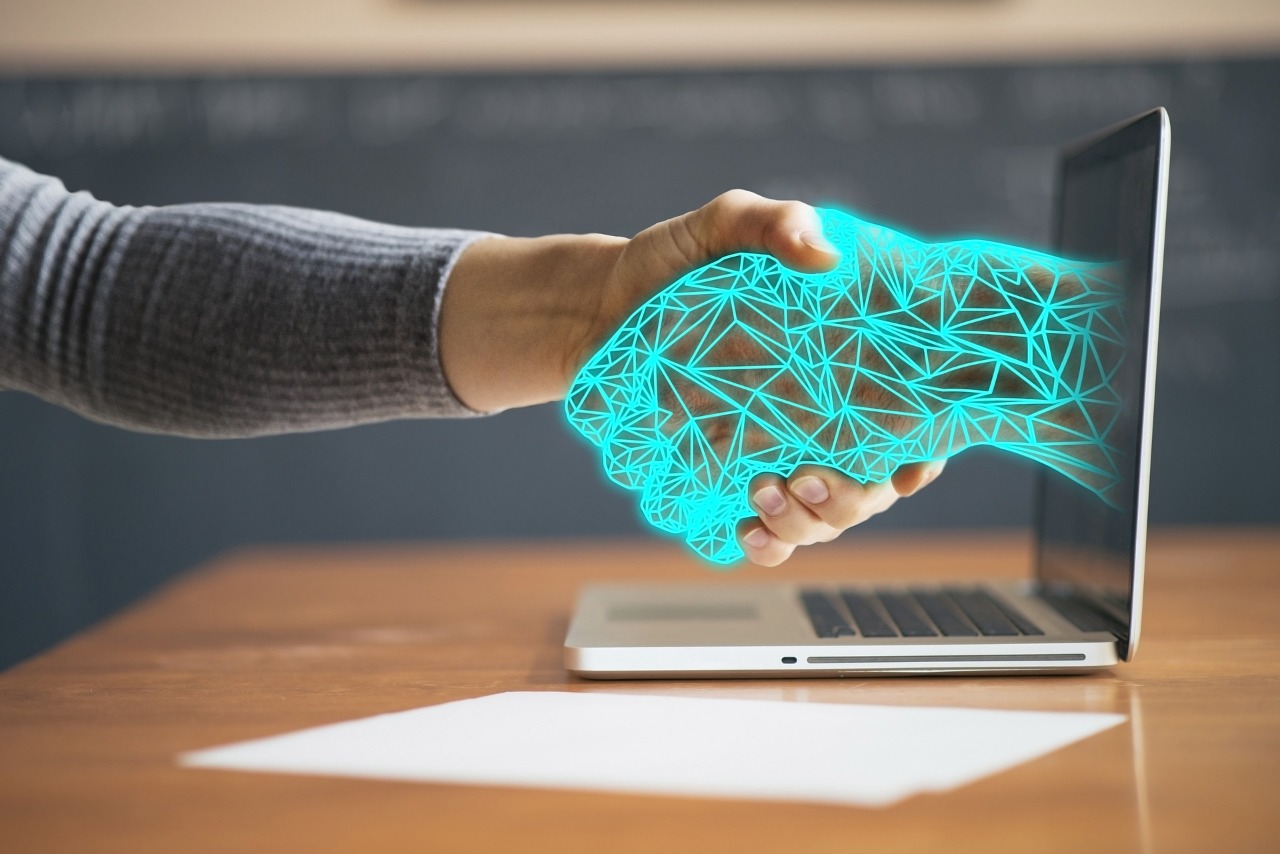

Artificial Intelligence has revolutionized the digital space by transforming how algorithms interpret and rank results. But as these technologies evolve, they will continue to get even better at parsing text and parsing visuals.
“In an AI-driven search environment, visual optimization isn’t just about aesthetics; it’s about context, quality, and relevance. Businesses that align their content strategies with these principles will dominate the digital landscape,” says Seth Price, founder and CEO of BluShark Digital .
This would mean that the optimization of our online content does need a review. In the case of more complicated algorithms of modern AI-powered search engines, alignment with their capabilities is to be given in terms of importance for interpretation through visuals.
This guide looks into some must-know strategies to get your images optimized for this new AI-centric ecosystem.
Harnessing Relevance in Image Optimization
To AI-driven search engines, context is king. Google doesn’t just view an image when indexing; it gains context from supporting content that may come in several ways, including captions, among other page texts. Placing images near relevant text increases their chances of being found. It tells the AI what your image is all about by relating it directly to supporting texts on the same page.
Moreover, infusing your images with descriptive alt-text is more than just doing an accessibility good deed; it peeks into the SEO by giving search algorithms some substantial details about what the visuals are showing. A thoughtful use of text and imagery leads down a road paved with enhanced optimization prospects.
Navigating Safe Search Parameters
Notably, when optimizing your images for AI-powered search, safe search filters should ring in your mind. These algorithms are supposed to filter out stuff likely to be inappropriate for different types of audiences and will be very important in determining the appearance of your digital assets.
Before publishing any image on your website, review it to ensure it doesn’t violate rules or get flagged as unsafe: this will allow your content to have the widest reach while protecting you from having content on your site offend certain viewers or affect your brand’s reputation.
Improvement of Image Quality
The quality of your images could be their make-or-break factor in this AI-powered search environment. High-resolution pictures fascinate human viewers, while their level of detail serves the wants of algorithms in doing proper analyses and classifications.
Use only clear, sharp, well-lit photos devoid of blurriness and artifacts. The more focused your picture is, the better the AI tools will understand what it is supposed to represent, thus raising its visibility in search results. Superior image quality speaks volumes about professional credibility and enhances user engagement; it is worth investing in both technology and visitor satisfaction.
Mastering Entity Identification
In AI-powered searches, understanding and leveraging entity identification can significantly enhance how relevant your images appear in query results. AI models, such as those employed by Google, meticulously analyze images to identify distinct entities—objects, places, people—that provide context and relevance to visual content.
Implementing structured data or schema markup on your website becomes essential to capitalize on this capability. This structured approach helps search algorithms define the entities within your images more clearly. Essentially, when you tag an image with accurate schema metadata, you’re giving it a contextual boost that aligns it more precisely with related search queries.
Three-Step Visual Optimization Strategy for Enterprises
All the various enterprises or businesses operating several chains of location should implement visual optimization in a more strategic and integrated manner. Start with centralizing your digital assets for easier management and to ensure consistency across all platforms for brand consistency.
Then, optimize these assets for various channels. For every platform, different sizes, formats, or qualities may be required or work best. Optimizing the images to the specifications will surely increase the performance and engagement of viewers for each channel.
Use metadata and structured data tags to make your visual content identifiable. Again, this enhances the possibility of discoverability by linking your image to a certain query in the search results.
Partnering with Experts: Blue Shark Digital
Consider consulting experts to optimize your visual content for AI-driven search. At BluShark Digital , we know all the little details to make various digital channels optimized according to our customer needs. If you want to operate your online existence without friction, feel free to contact us at BluShark Digital.
CLICK HERE TO DONATE IN SUPPORT OF DCREPORT’S NONPROFIT MISSION
