


With a recorded game, you can pause, grab a snack, and come back later. Try that during a live Jackbox game, and you might miss your turn! Even a few seconds of lag can mean missing a round.
There’s a fair amount of variety in live online gaming, too. Friends can join a party game through their browsers, esports fans can watch a tournament unfold, and Twitch viewers can send suggestions while a streamer is playing. Some people are actively competing. Others are watching or occasionally joining the conversation. Either way, showing up while the game is happening matters. Catch the recording tomorrow, and you can see what happened, but you’ve missed your chance to take part.
The Audience Gets Something to Do
Jackbox makes participation relatively straightforward. One person runs the game. Others open jackbox.tv in a browser and enter the room code shown on the host’s screen. Players use phones or other web-enabled devices as controllers without buying their own copies. Many titles also accommodate audience members beyond the main player group. The host still needs to make the game screen visible to everyone.
That arrangement lowers the commitment required to join. A guest doesn’t need to install a large game or learn a controller layout before answering a prompt.
It also changes what counts as attendance. In interactive online entertainment, someone can contribute without occupying a main player slot. Jackbox’s audience features give additional participants a role rather than leaving them outside the session. For a larger group, that distinction can determine whether an invitation feels genuinely open.
Why People Come Back to a Broadcast
A streamer might be halfway through a difficult level when somebody in chat spots a route they’d overlooked. Another viewer questions the choice of weapon. The player can respond, try the suggestion, or carry on regardless. That back-and-forth is something a regular gameplay video can’t offer. There’s a person on the other end who can actually hear what viewers are saying while the game is underway. Once the broadcast ends, that opportunity disappears. The recording still has the conversation, including whatever decisions came out of it. What it doesn’t have is room for anybody afterward to join in.
The attraction isn’t necessarily better gameplay. A familiar presenter, recurring jokes, and conversations with other viewers can become reasons to return. Research commentary on streaming describes these exchanges as a source of community around a broadcaster. Still, in live streaming games, receiving an occasional reply shouldn’t be confused with a personal friendship. A host addressing hundreds of messages cannot offer everyone equal attention.
Mobile access adds convenience. Phones and tablets let audiences follow broadcasts away from a desktop, widening the circumstances in which people can tune in. Participation can fit into an evening without requiring a trip to a venue.
The Technical Problem Behind “Live”
Latency is the delay between something happening at the source and appearing on a viewer’s screen. Twitch’s low-latency mode reduces that gap so broadcasters can respond to chat sooner. For conversation, a few seconds can separate a timely answer from one that arrives after the subject has changed.
Picture quality alone doesn’t solve this. Twitch warns that broadcasting near an internet connection’s capacity can increase delay. A sharp image delivered late may be less useful for participation than a less demanding stream that stays responsive.
Timing is one of the complications of playing Jackbox over a livestream. The host’s game keeps moving, but remote players may receive the video several seconds late. By the time a question appears on their screens, part of the answer period could already be gone. Jackbox’s extended timers help account for that delay. They give players longer to respond without making the broadcast and gameplay perfectly synchronized.
Live Dealers Offer a Different Example
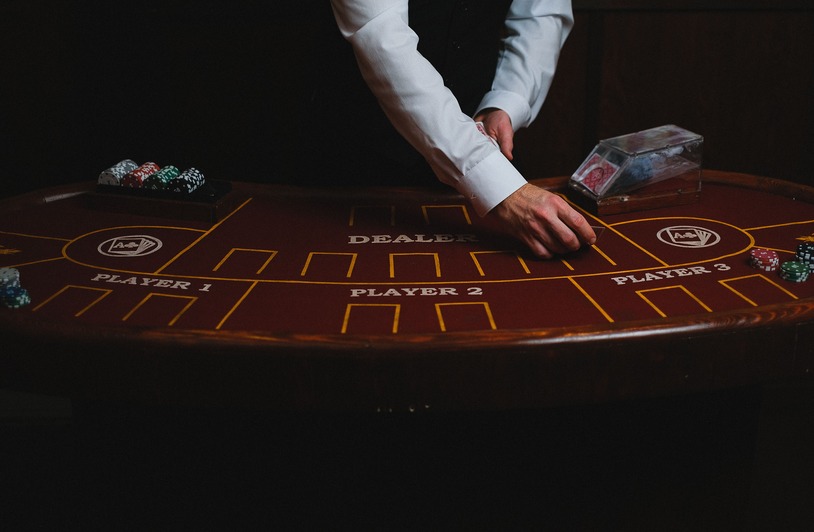
Live dealer gaming applies a similar combination of broadcast video and user input to casino tables. At a Slots Paradise live dealer instance, blackjack and roulette players aren’t watching computer animations. The real money live casino streams games run by live dealers, with players placing their bets through the website. There’s room for conversation at these tables, too, whether with the dealer or fellow players. The wagers are made online. The blackjack hands and roulette spins, though, happen at a physical table with a dealer in front of the camera.
The visible dealer supplies pace and conversation, but the activity remains gambling. Social interaction doesn’t remove financial risk, and a live camera shouldn’t be treated as evidence of regulatory approval.
FAQs
What is live online gaming?
It covers gaming experiences involving real-time players, video, presenters, or audiences. A streamed party game with audience participation is one example. Watching a recording afterward doesn’t offer the same opportunity to join that session.
How is live gaming different from traditional online games?
There’s nothing new about competing against real people online. Multiplayer games have offered that for years, often without an audience watching. A livestream can turn spectators into participants, even when they aren’t playing. Someone in the chat might spot a mistake, suggest a different strategy, or ask the streamer to try something ridiculous. Whether any of that affects the game is up to the person broadcasting. Plenty of viewers are happy just watching, too.
Why are live gaming experiences becoming more popular?
Convenient mobile access and opportunities to socialize help explain their appeal. More responsive streaming also makes conversation easier. Some viewers want a shared event rather than another video to watch alone.
What are live dealer games?
They stream real dealers conducting casino games to online players. Blackjack and roulette are examples available through Slots Paradise. Players interact through the website while watching the table on video.
CLICK HERE TO DONATE IN SUPPORT OF DCREPORT’S NONPROFIT MISSION
