


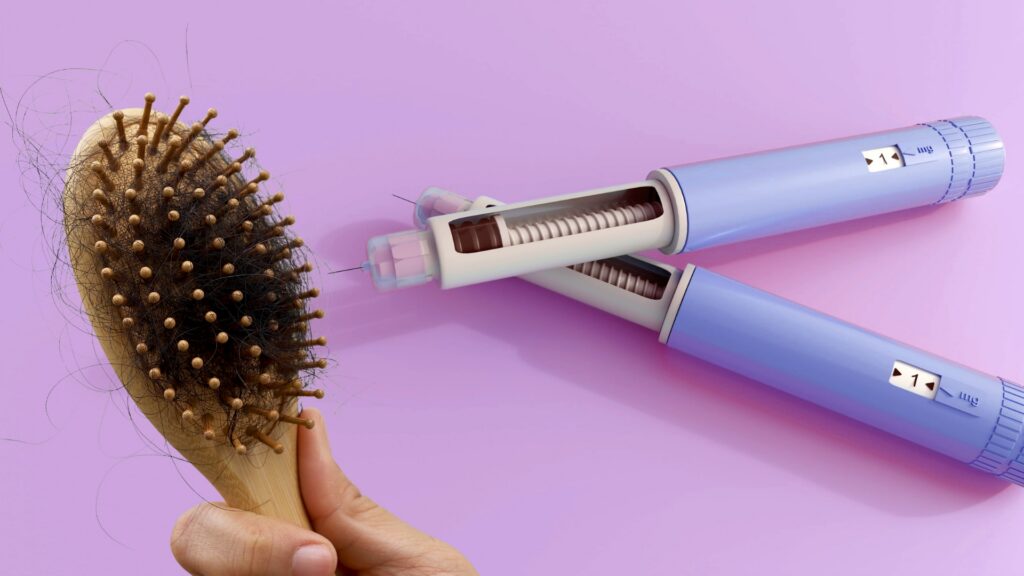
Red Light Therapy and Other Options Show Promise for Reducing Hair Shedding Related to GLP-1 Usage
GLP-1 medications such as Ozempic®, Wegovy®, Mounjaro®, and Zepbound® have helped millions of people achieve significant weight loss and improve their metabolic health. But for many, the excitement of seeing the number on the scale go down has been tempered by an unexpected surprise: increased hair shedding.
If you’ve started noticing more hair in your brush, shower drain, or on your pillow after beginning a GLP-1 medication, you’re certainly not alone. The good news is that, in most cases, this type of hair loss is temporary—and there are proven ways to support healthy regrowth.
Is the Medication Actually Causing Your Hair Loss?
The answer is more nuanced than many people realize.
Current evidence suggests that GLP-1 medications themselves are not directly damaging hair follicles. Instead, the hair loss many people experience is usually linked to the rapid weight loss these medications often produce.
Dermatologists refer to this condition as telogen effluvium, a temporary form of hair shedding that occurs after the body experiences a significant physical stressor.
Rapid weight loss—even when it’s healthy and intentional—can signal the body to temporarily conserve resources. Hair growth is one of the first processes that slows down. As a result, a larger percentage of hair follicles enter their resting phase earlier than normal.
Because hair grows in cycles, the shedding usually doesn’t begin immediately. Most people notice increased hair loss about two to four months after starting a GLP-1 medication or after experiencing substantial weight loss.
Why Some People Lose More Hair Than Others
Several factors can increase the likelihood of shedding during a weight-loss journey.
Rapid Weight Loss
The faster the pounds come off, the greater the stress placed on the body’s normal growth processes. Significant calorie restriction and rapid fat loss are well-known triggers for telogen effluvium.
Reduced Nutrient Intake
GLP-1 medications reduce appetite, making it easier to consume fewer calories—but sometimes fewer nutrients as well.
Hair follicles require a steady supply of nutrients to remain healthy. Low intake of protein, iron, zinc, vitamin D, and other essential nutrients can contribute to increased shedding or delay regrowth.
Existing Hair Thinning
For people who already have hereditary thinning, rapid weight loss may make an existing condition more noticeable, even if it wasn’t obvious before.
The Encouraging News: Most GLP-1 Hair Loss Is Temporary
The vast majority of people experiencing telogen effluvium eventually see their hair begin growing again.
Once your body adapts to your new weight and nutritional needs are being met, hair follicles gradually return to their normal growth cycle.
Patience is important because hair naturally grows slowly. Even after shedding stops, visible improvement often takes several months.
Fortunately, there are ways to help create the healthiest possible environment for that regrowth.
Four Ways to Support Hair Recovery
Prioritize Protein
Hair is made primarily of keratin, a protein. Many people taking GLP-1 medications unintentionally eat too little protein because they simply aren’t hungry.
Making protein a priority at each meal helps support both muscle preservation and healthy hair growth.
Address Nutritional Gaps
Iron deficiency, low zinc, and inadequate vitamin D levels are common contributors to hair shedding.
Rather than guessing which supplements you need, discuss appropriate testing with your healthcare provider so deficiencies can be identified and corrected.
Be Kind to Your Hair
During periods of increased shedding, avoid excessive heat styling, harsh chemical treatments, or hairstyles that place tension on the scalp.
Reducing physical stress on existing hair helps preserve the strands you have while new growth develops.
Consider Red Light Therapy
One increasingly popular option for supporting hair regrowth is red light therapy, also known as low-level light therapy (LLLT), and clinically as photobiomodulation.
Unlike medications, red light therapy is completely drug-free, non-invasive, and easy to use at home. In addition, scientific studies, such as those conducted by Apira Science, makers of the GroWell red light therapy cap for hair growth, having shown that it does regrow hair for the vast majority of people of use it as instructed. Read the Apira Science studies here.
“I have seen many patients shed pounds and wonder where their hair went,” said Dr. Sam Muala, founder of Him & Hair and a board-certified obesity medicine specialist specializing in hair restoration. “GroWell solves this with effective stimulation of follicles while overcoming the obstacle of compliance—it’s easy to use and can be incorporated into your daily routine.”
Watch Dr. Muala Discuss GLP-1 and Hair Shedding With Fox News
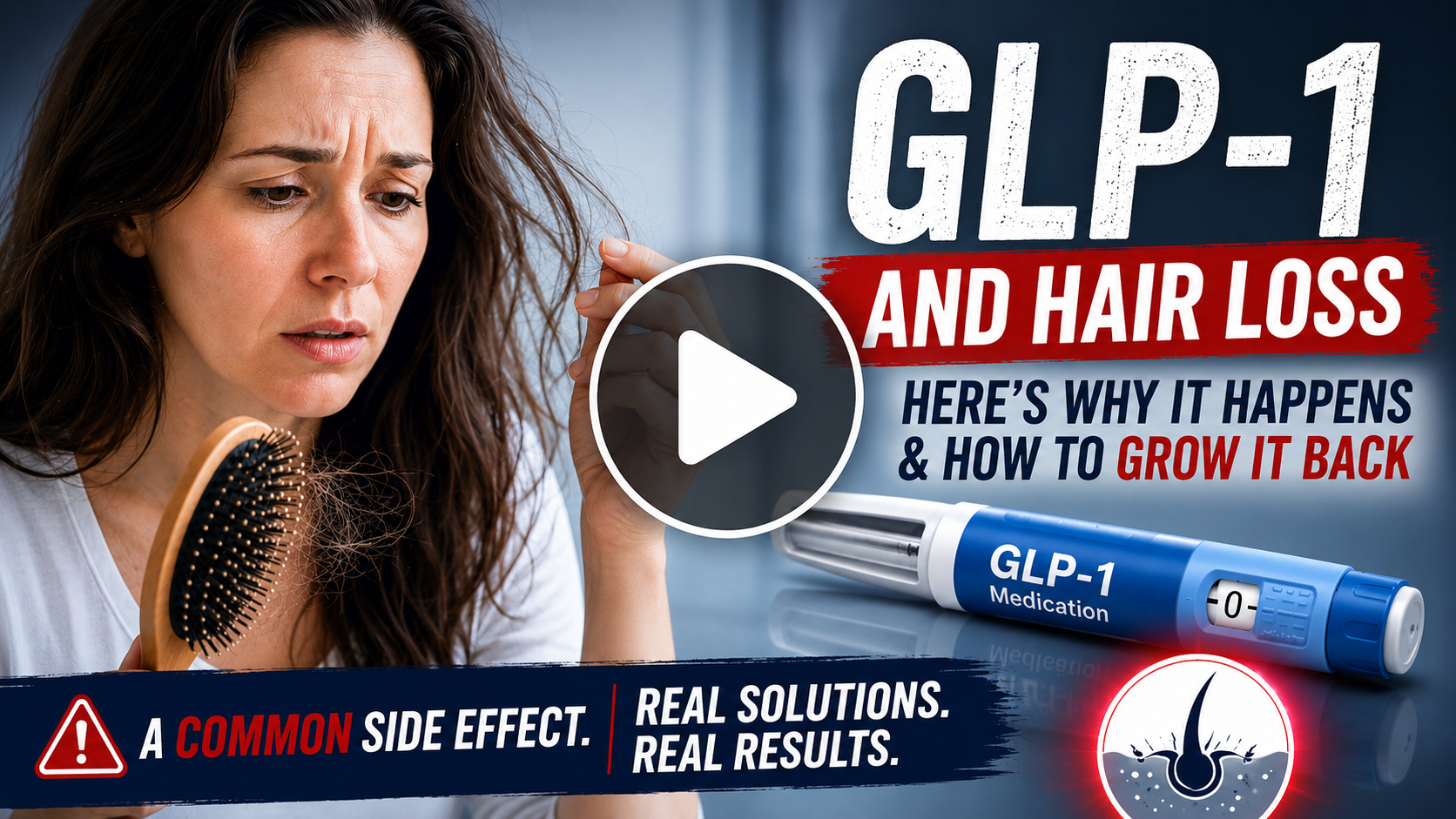 How Red Light Therapy Supports Healthier Hair
Red light therapy works by delivering carefully controlled wavelengths of light to the scalp.
This light is absorbed by cells inside the hair follicle, helping improve cellular energy production, circulation, and overall follicle function. These effects help create an environment that supports stronger, healthier hair growth.
Research has shown that low-level light therapy can improve hair density and thickness in people with pattern hair loss, making it one of the few FDA-cleared device-based options available for hair restoration.
“While GLP-1-related shedding is usually caused by telogen effluvium rather than genetic hair loss, healthier, more active follicles may help support the natural regrowth process as your body recovers,” said Dr. Muala. “Think of red light therapy as helping your follicles perform at their best while your body works through the temporary disruption caused by rapid weight loss.”
A Simple Addition to Your Recovery Plan
If you’re already investing in your long-term health through weight loss, it makes sense to support your hair at the same time.
The GroWell Red Light Therapy Cap delivers clinically supported low-level light therapy in a lightweight, comfortable cap that’s easy to wear while reading, watching television, or working around the house. Regular sessions require minimal effort and fit easily into most daily routines.
Combined with proper nutrition and healthy weight management, red light therapy offers a convenient way to actively support fuller, healthier-looking hair.
Don’t Let Temporary Hair Loss Overshadow Your Success
Watching your hair thin can feel discouraging, especially when you’re making positive changes for your overall health.
Fortunately, GLP-1-related hair shedding is usually a temporary chapter—not a permanent outcome.
By focusing on proper nutrition, giving your body time to adjust, and supporting your follicles with clinically backed technologies like red light therapy, you can help encourage the return of thicker, healthier hair while continuing your weight-loss journey with confidence.
Frequently Asked Questions About GLP-1 Hair Loss
Why do GLP-1 medications cause hair loss?
GLP-1 medications themselves are not believed to directly damage hair follicles. Instead, the hair shedding many people experience is typically caused by rapid weight loss, reduced calorie intake, and nutritional changes that can trigger a temporary condition called telogen effluvium.
Which GLP-1 medications are associated with hair loss?
Hair shedding has been reported by some people taking GLP-1 medications such as Ozempic®, Wegovy®, Mounjaro®, and Zepbound®. However, experts generally believe the hair loss is related to the rapid weight loss these medications can produce rather than the medications themselves.
Is GLP-1 hair loss permanent?
In most cases, no. Hair loss caused by telogen effluvium is temporary. Once your body adjusts to your new weight, nutritional needs are met, and the stress on your system decreases, hair growth typically resumes over the following months.
When does hair loss usually begin after starting a GLP-1 medication?
Most people notice increased shedding two to four months after beginning treatment or after experiencing significant weight loss. Because hair grows in cycles, the effects are often delayed rather than immediate.
How long does it take for hair to grow back?
Many people begin to see reduced shedding within several months after their body stabilizes, but noticeable regrowth can take six to twelve months. Hair grows slowly, so patience is important throughout the recovery process.
Can red light therapy help with GLP-1-related hair loss?
Red light therapy, also known as low-level light therapy (LLLT), is FDA-cleared for treating hereditary hair loss and has been shown to support healthier hair growth by stimulating hair follicles. While research has not specifically focused on GLP-1-related hair loss, many people choose to use red light therapy to support follicle health while their hair naturally recovers from telogen effluvium.
Is red light therapy safe to use while taking GLP-1 medications?
Yes. Red light therapy is a non-invasive, drug-free treatment that does not interact with GLP-1 medications. As always, it’s a good idea to discuss any new treatment with your healthcare provider if you have questions about your individual situation.
What else can I do to reduce hair shedding while taking GLP-1 medications?
Supporting your overall health is key. Prioritize adequate protein intake, ensure you’re getting essential nutrients such as iron, zinc, and vitamin D, manage stress, avoid overly restrictive diets, and treat your hair gently by limiting excessive heat and harsh chemical treatments.
Who is most likely to experience hair loss while taking GLP-1 medications?
People who lose weight rapidly, consume too little protein or other essential nutrients, or already have underlying genetic hair thinning may be more likely to notice increased shedding during their weight-loss journey.
When should I see a doctor about hair loss?
If your hair loss is severe, continues for more than six months, occurs in patches, or is accompanied by other symptoms such as scalp pain or inflammation, it’s important to consult your healthcare provider or a dermatologist. They can determine whether another medical condition may be contributing to your hair loss.
This article is intended for educational purposes only and should not be considered medical advice. Hair loss has many possible causes. Always consult your healthcare provider regarding concerns about hair loss, nutrition, or prescription medications before making changes to your treatment plan.
IF YOU ENJOYED THIS ARTICLE, PLEASE CONSIDER A TAX DEDUCTIBLE DONATION TO OUR NONPROFIT EFFORTS.
