


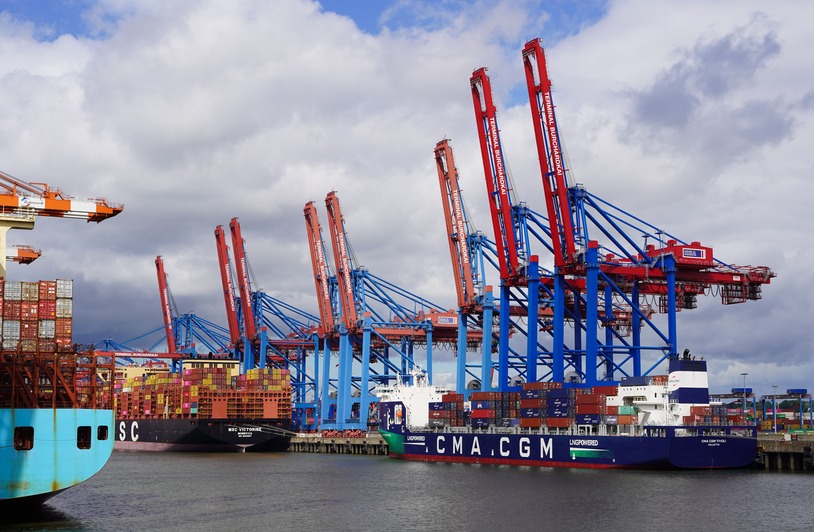
Most people only notice freight when something goes wrong. A delivery arrives late, a shop runs short of stock, or a business finds out that a shipment is stuck somewhere it should not be. Now imagine nearly all of Western Australia’s container freight passing through one port instead of being spread across different routes. The risks posed by Kwinana Port become much easier to understand when you consider how many businesses depend on containers arriving on time. One major disruption could affect far more than the ships waiting offshore. Furthermore, delays from Navy movements as nuclear submarines require the port shut down when transiting even from Garden Island to the maintenance yard. If this happens, there will be no ability for freight to move.
One Port, A Lot Riding on It
Kwinana port is part of a wider plan to handle container trade through Western Australia’s southern metropolitan area. Moving more freight through one main location could make transport planning simpler, especially if the port has the space and equipment needed to handle growing volumes. Shipping companies might find it easier to organize regular services, while transport operators could build their schedules around a central hub. But concentrating freight also means that more businesses would depend on the same place staying operational.
That dependence matters because ports do not work in isolation. A container has to move from a ship to a terminal, then onto a truck or train before it reaches a warehouse, factory, or shop. If one part of that chain slows down, the delay can spread to the next. When most containers follow the same route, there are fewer easy alternatives if something interrupts the usual process.
What If the Port Has to Stop?
Ports can face trouble for plenty of reasons, and not all of them involve a major disaster. Severe weather may prevent ships from entering safely, equipment can break down, and industrial disputes can interrupt loading or unloading. A cyberattack or power failure could also affect the systems used to track cargo and manage operations. Even a temporary stoppage could leave shipping schedules out of step for days.
If freight has been concentrated at Kwinana, companies may have limited options when operations are disrupted. Common causes are:
- Ships could be delayed
- Containers might sit in storage longer than expected
- Trucks could struggle to meet collection times
Businesses waiting for imported parts may have to slow production, while retailers could face gaps in stock. The original problem might be local, but its effects could reach customers and suppliers across the state.
Trucks and Trains Would Feel the Pressure
The port itself is only one part of the picture. A steady flow of containers also requires the following elements:
- Roads that can handle heavy vehicles
- Rail connections that work reliably
- Enough space for trucks to collect and deliver cargo
If container volumes rise faster than transport infrastructure can cope, congestion could become a regular headache. Drivers might spend more time waiting, and businesses could face higher transport bills.
Rail can help move containers over longer distances, but it cannot solve every problem by itself. Freight still needs to travel between rail terminals, distribution centers, and final destinations. If schedules do not line up or terminal capacity falls short, containers can pile up even when trains are available. Planning for a major port therefore means looking at the entire journey, not just the waterfront.
The Cost of Having Fewer Options
Businesses generally value reliable delivery more than promises of speed. A manufacturer may be able to cope with a small delay if it has spare parts on hand, but repeated interruptions can make production difficult to manage. Smaller businesses often have less room to store extra stock or absorb unexpected transport costs. When freight routes become less flexible, these companies may feel the pressure first.
Concentrating container traffic could also make disruptions more expensive to work around. If another route is available, freight operators can sometimes redirect cargo while repairs or other work take place. Without a practical backup, changing routes may require new transport arrangements, extra handling, and longer journeys. Those costs can eventually show up in the prices customers pay.
Planning for Problems Before They Happen
None of this means that using one main port is automatically a bad idea. A well-designed facility could improve freight handling and make better use of transport infrastructure. The important question is whether the system can cope when conditions are less than ideal. Capacity on a normal day is only part of the test.
Planners and freight operators need to think through realistic disruptions before they happen. That means checking whether road and rail links can handle peak demand, keeping emergency procedures up to date, and working out where containers could go if normal operations stop. Businesses can also review their inventory plans and identify which shipments would cause the biggest problems if delayed. Having alternatives ready is far more useful than trying to invent them in the middle of a disruption.
Final Word
Routing most of Western Australia’s containers through one location could simplify freight operations, but it would also make the wider supply chain more dependent on that port. The risks posed by Kwinana Port are not just about ships or terminal delays, since trouble can quickly reach road transport, warehouses, and local businesses. Strong connections and workable backup plans would help reduce the damage when something goes wrong. The real measure of a successful freight network is not how smoothly it runs on an ordinary day, but how well it handles a difficult one.
Photo: Wolfgang Weiser via Pexels
CLICK HERE TO DONATE IN SUPPORT OF DCREPORT’S NONPROFIT MISSION
