


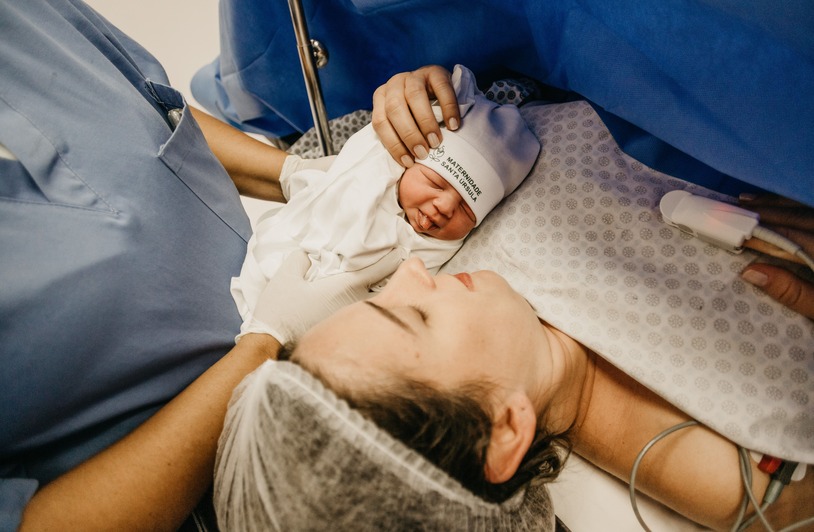
When it comes to birth, there’s a lot more happening than simply welcoming a new baby into the world. During a vaginal delivery, newborns are naturally exposed to millions of beneficial microbes that begin colonizing their skin, mouth, and digestive tract.
In recent years, this early microbial exposure has sparked interest in a practice known as vaginal seeding, particularly among parents planning a cesarean delivery. But what exactly is vaginal seeding, and does it offer the benefits some people hope for? Researchers are actively studying the practice, yet many questions remain unanswered.
Understanding the science behind vaginal seeding and how it differs from other ways of supporting a healthy microbiome can help parents make informed decisions. Along the way, it’s also helpful to understand how URO Probiotics fit into the bigger picture of maintaining vaginal bacterial balance before and during pregnancy.
Vaginal Seeding 101
Vaginal seeding is a procedure intended to expose babies born by cesarean section (C-section) to some of the bacteria they may have encountered during a vaginal birth. Typically, a sterile piece of gauze is placed inside the mother’s vagina before the C-section . After the baby is delivered, the gauze is used to gently wipe the baby’s mouth, face, and body.
The idea behind the practice is simple: babies born vaginally naturally come into contact with their mother’s vaginal microbes as they pass through the birth canal, while babies delivered by C-section experience a different mix of bacteria. Vaginal seeding attempts to recreate at least part of that natural microbial exposure.
Why Do Some Parents Choose Vaginal Seeding?
Interest in vaginal seeding comes from growing research into the human microbiome, the vast collection of bacteria and other microorganisms that live throughout the body. Early microbial exposure may influence the development of an infant’s microbiome during the first weeks and months of life.
Some researchers are exploring whether differences in these early microbial communities could play a role in immune system development, digestion, allergies, asthma, or other aspects of long-term health. Because babies delivered by C-section encounter different bacteria than those born vaginally, some parents hope vaginal seeding may help narrow that gap.
What Does the Research Say So Far?
Early research has produced some encouraging observations, but the science is still in its early stages. A handful of small studies suggest that vaginal seeding may temporarily introduce some maternal vaginal bacteria to babies born by C-section.
In some cases, researchers observed that the infants’ microbiomes looked somewhat more similar to those of babies delivered vaginally. However, these findings should be interpreted carefully.
The studies have generally involved small numbers of participants, and scientists have not established whether these temporary microbial differences translate into lasting health benefits. Larger clinical trials are still needed to determine whether vaginal seeding is both safe and effective before it can be widely recommended.
Are There Any Risks?
While the concept of vaginal seeding is fascinating, it’s important to consider the potential risks alongside the possible benefits. The vaginal microbiome contains many beneficial bacteria, but it can also harbor harmful microorganisms that could pose serious health risks to a newborn.
For example, infections such as Group B Streptococcus (GBS), herpes simplex virus (HSV), chlamydia, or gonorrhea could potentially be transferred during vaginal seeding if they are present. Because newborns have developing immune systems, even mild infections in adults can become much more serious in infants.
For this reason, organizations such as the American College of Obstetricians and Gynecologists (ACOG) do not currently recommend routine vaginal seeding outside of approved research settings. Healthcare providers generally advise parents to discuss any interest in the procedure before delivery so potential risks and individual circumstances can be carefully evaluated.
How Can Parents Support a Baby’s Microbiome in Other Ways?
Fortunately, vaginal seeding isn’t the only way parents can encourage healthy microbial development. Researchers continue to study several everyday practices that may support a baby’s developing microbiome without the uncertainties surrounding vaginal seeding.
When possible, breastfeeding provides nutrients and beneficial compounds that support the growth of healthy gut bacteria. Skin-to-skin contact immediately after birth may also expose babies to beneficial microbes while strengthening the parent-child bond. Using antibiotics only when medically necessary helps avoid unnecessary disruptions to maternal and infant microbiomes.
What We Know Today About Vaginal Seeding
Vaginal seeding has become a topic of growing interest, highlighting just how important your microbiome may be from the very beginning of life. While early research suggests the practice may influence a newborn’s microbial exposure, scientists have not yet confirmed that it provides lasting health benefits.
As research evolves, healthcare providers will gain a clearer understanding of when, or if, vaginal seeding should become part of routine care. Until then, parents can feel confident focusing on well-established ways to support both maternal and infant health while working closely with their healthcare team to make informed decisions.
Photo: Jonathan Borba via Pexels
CLICK HERE TO DONATE IN SUPPORT OF DCREPORT’S NONPROFIT MISSION
